
Writings
This page features a curated collection of open-access publications that engage the study, understanding, application, and teaching of timbre and orchestration. The writings are organized below as follows:
Articles are peer-reviewed, longer writings that feature in-depth research and analysis on various aspects of timbre and orchestration.
Essays are peer-reviewed, short written pieces that explore specific topics, works, language, or concepts in timbre and orchestration .
Research Project Reports are curated accounts of research projects, workshops, and collaborations supported by the ACTOR partnership.
Dialogues are curated conversations and interviews with renowned conductors, tonmeisters, composers, and music scholars.
Pedagogical Writings assemble a collection of resources designed to support music educators and students.
Article and Dissertation Reprints offer valuable insights into various aspects of timbre and orchestration research.
Peer-reviewed articles featuring in-depth research and analysis on various aspects of timbre and orchestration, including historical and contemporary compositions, innovative techniques, and cross-cultural influences.

The music of Rebecca Saunders (b. 1967) is all but absent from theoretical and musicological discourse with the notable exceptions of two recent publications: Dubiel’s (2017) analysis of Crimson and McMullan-Glossop’s (2017) application of color theory terminology to describe Saunders’ timbral and textural approach to composition. An active composer since the early 1990s and the 2019 recipient of the Von Siemens Prize, Saunders’ work is written in a distinct idiom, drawing equally upon “postwar German fastidiousness and expressionism and experimental, Cageian concentration…” (Service, 2012). Her music is marked by the exploration of noise, pitch, and silence, the use of extended instrumental techniques, and uncommon combinations of instruments. Traditional music theoretical analytic techniques are insufficient to fully describe the prominent features of Saunders’ music: timbre, texture, noise, and silence.

In the aftermath of World War Two, Luigi Dallapiccola (1904-1975) was famous for a few major works that conveyed a humanist message, particularly the Canti di Prigionia (1938-1941) and the opera Il Prigioniero (1944-1948), which rank among his better-known works to this day. The composer’s personality should, however, not be reduced to this one aspect of his output. Likewise, we should not merely see him as a practitioner of twelve-tone techniques inherited from Schoenberg and Webern, a facet that has been extensively explored by theoreticians and historians of music.

This paper proposes an examination of the intersections of materiality, acoustics, and musical performance practice through the prism of instruments of the tuba family. Investigation into the symbiotic relationship between instrumental evolution and performance practice is a crucial facet of any study of timbre and orchestration.
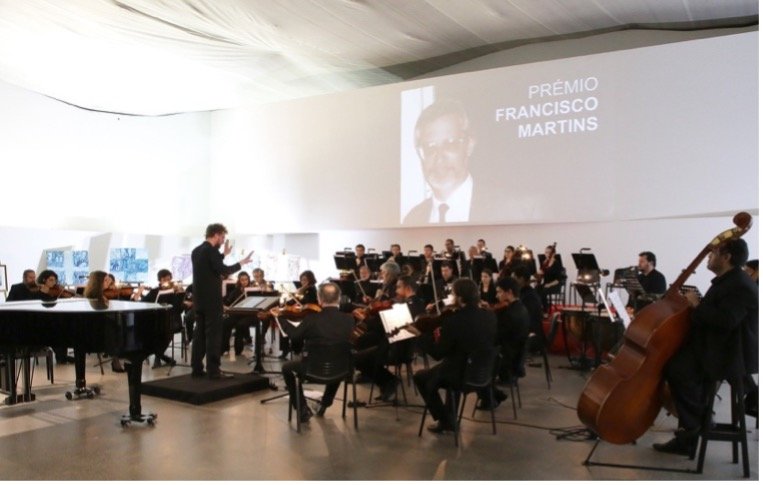
Moving Sources explores the relationship between instrumental orchestration and electronics primarily through the means of spectral analysis and subsequent electronic-informed timbre-blending techniques such as filtering, reverberation, granular synthesis, pitch freezing, envelope generators, noise, delays and spatialization.
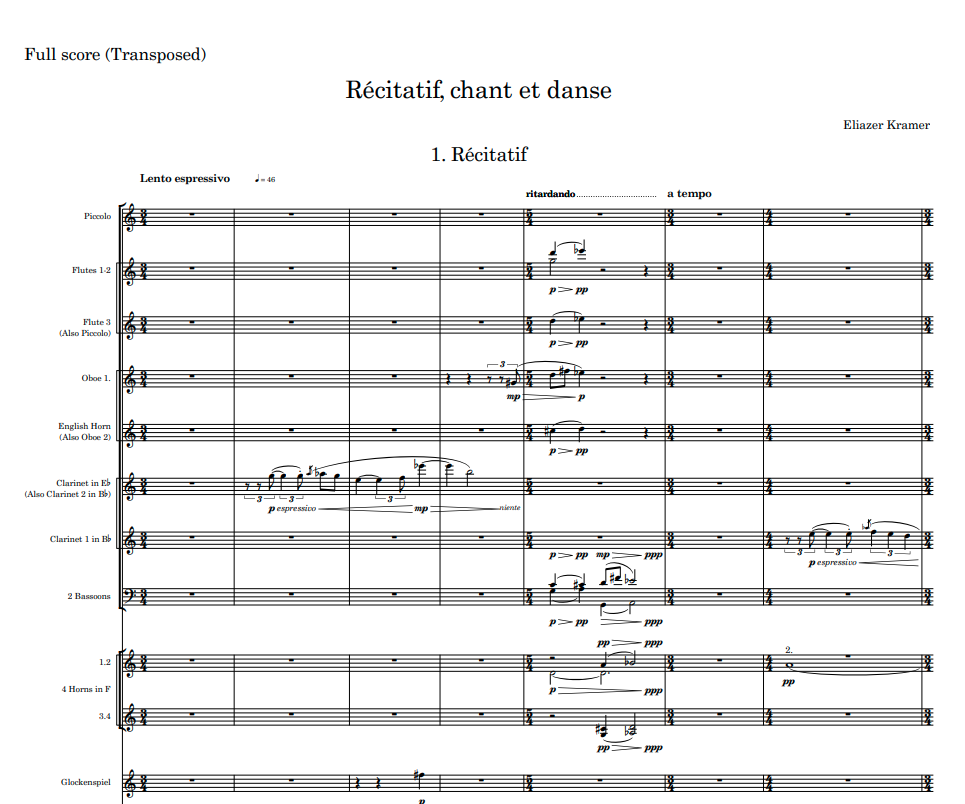
This article outlines my first attempt at making a virtual orchestration from one of my compositions, Récitatif, chant et danse. In addition, it provides some background on virtual orchestration and discusses the different elements involved in creating one.

Beginning with simple elements of sound, composers can use their expertise to craft compositional systems that may be enormously complex and far beyond the comprehension of most listeners. But by the end, I think it is a magical thing if it comes around to become perceptually simple again: a musical organism with processes, gestures, and gestalts that are readily appreciated and comprehended.

Seven Beginnings (2019), for flute, oboe, clarinet, bassoon, horn, two violins, viola, and cello, was composed as a deliverable of my ACTOR postdoc. The piece builds upon the trend of speech transcription in recent music, with a focus on spectral transcription and cross-modal composition. But far from being a technical étude, it is a very personal piece with a very specific motivation behind its materials and methods.
Thought-provoking essays that explore specific topics, works, language, or concepts in timbre and orchestration studies, offering unique perspectives and insights from scholars, composers, and musicians.


Welcome to the land of Oz, a land of hope, joy, magic, and resentment. A land that is not yet discovered by Dorothy, but act as the building blocks before her arrival. This is Wicked. The movie Wicked is an adaptation of the original Broadway musical. It follows the story of how Elphaba, an “outcast” born with green skin and magical powers, becomes the Wicked Witch of the West. For my analysis, I will be using the movie adaptation of Wicked, along with the 2024 movie soundtrack recording of “I’m Not That Girl” by Cynthia Erivo, who plays Elphaba. In Cynthia Erivo’s recording of “I’m Not That Girl,” the emotional narrative is supported by Cynthia’s use of an expressive vocal timbre.

A work of haunting beauty and mystery, And Suddenly It’s Evening (1966) is a cantata for tenor and orchestra by English modernist pioneer, Elisabeth Lutyens (1906-1983). The cantata is highly representative of Lutyens’ serialism of the mid 1960s, and is similar to other works of this period, especially The Valley of Hatsu-Se (1965), in terms of scope, the serial structure, lyricism and the approach to orchestration. The evocative poetry of the cantata was written by Sicilian modernist poet and Nobel prize laureate (1959), Salvatore Quasimodo (1901-1968), and translated into English by Jack Bevan in 1965.[i] Lutyens first wrote the work to the English translation, later adding the original Italian (as determined from examining the composer’s autograph).[ii] In this work, Lutyens sets four poems by Quasimodo, each in its own movement, with instrumental interludes on either side of each poem. The cited recording was conducted and sung by Herbert Handt (who premiered the work) with members of the BBC Symphony Orchestra in 1967. In this analysis, I examine how Lutyens creates and demarcates form through orchestrational groupings in her cantata, which alongside pitch serialism, is the main compositional determinant.
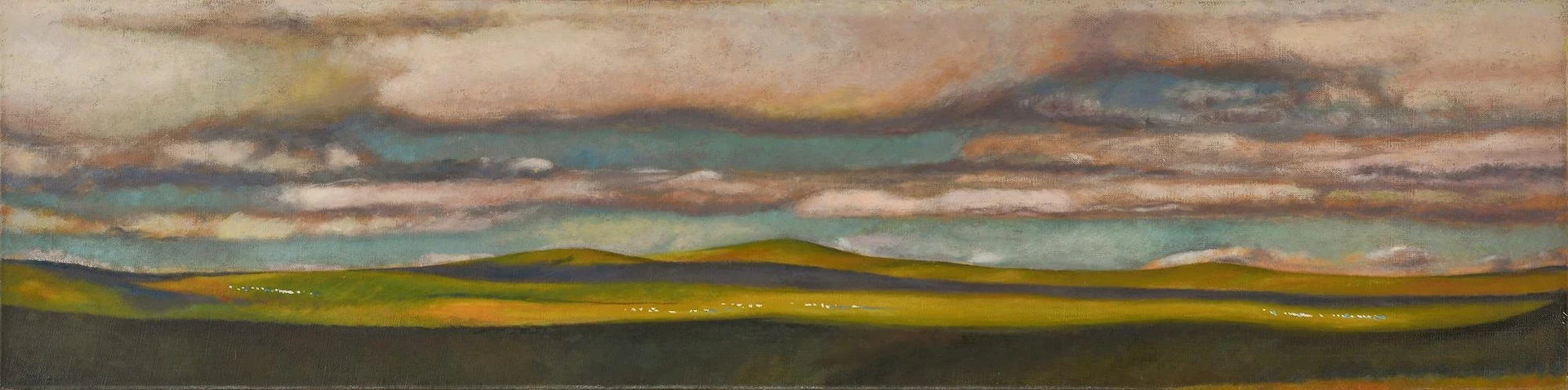
The repertoire of Chinese composer Wenchen Qin is often characterized by immediate connections to the topics of nature and religious spirituality. For Qin, the religious connotation in his music often serves specifically as the medium connecting humans and nature. One only needs to look at the titles of his works to see the prevalence of these two topics: Pilgerfahrt im Mai (Pilgrimage in May) (2004), The Nature’s Dialogue (2010), The Border of Mountains (2012), The Cloud River (2017), The Light of the Deities (2018), Poetry of the Land (2020), among others. Qin’s proclivity for these topics can be traced back to his childhood in Inner Mongolia where he was born. The vast landscape of Inner Mongolia, with its endless grassland interspersed with surging mountain ranges, bears a palpable trait of ruggedness and broadness of space, of which one can often identify musical counterparts in Qin’s music almost viscerally.
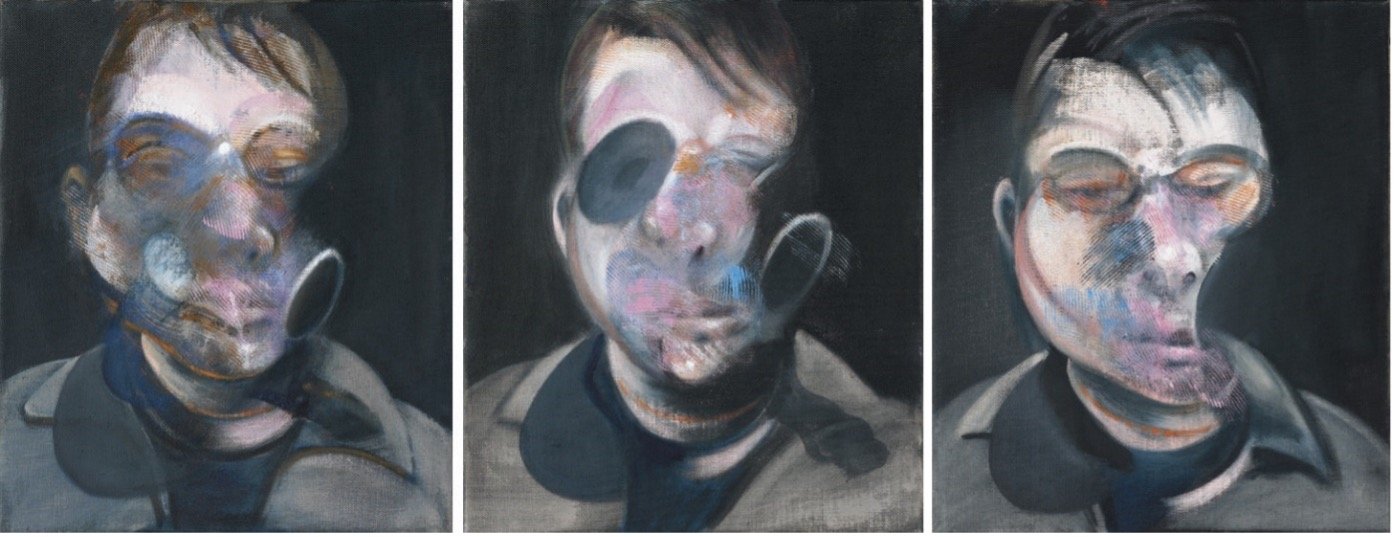
Professor Bad Trip: Lesson III (2000) is a piece for small ensemble composed by Fausto Romitelli, constituting the last part of his Professor Bad Trip triptych (1998–2000). As suggested by the title, Romitelli sought an aesthetic that evokes hallucination, plunging the listener into a state of illusion and bewilderment.
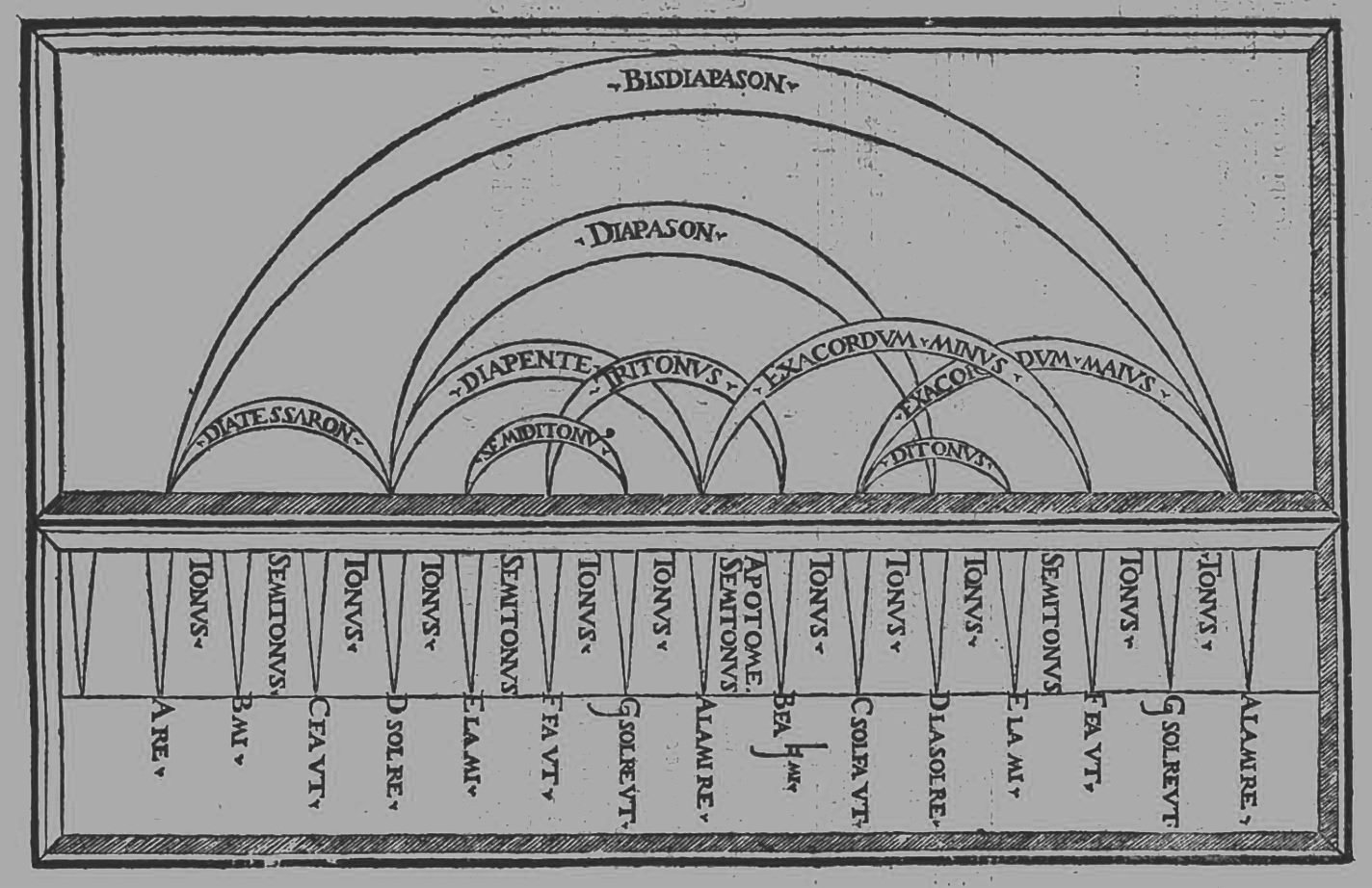
We might think about how a single voice part within a composition expresses a mode (one of the prevailing systems governing the organization of pitch in this period), or how multiple voice parts move against one another (counterpoint, from the Latin contrapunctus—literally means note-against-note), creating successions of intervals. This essay focuses on the amazing moments ensconced in those intervals: the way they are arranged, the spaces between them, and ultimately, the sonorities they create.

Icicle (1977) for solo flute, by Canadian composer, conductor, and flautist Robert Aitken, captures a quintessentially winter soundscape with its highly variable timbral palette. Audible right from the beginning of Nina Assimakopoulos’s 2021 recording, Icicle is saturated with timbres that evoke such cold, wintry imagery as glistening icicles and blowing snow. The wintry timbres in Icicle are created by various extended playing techniques.

Kaija Saariaho’s Petals (1988) transforms the cello into a diverse musical instrument capable of creating countless varying sounds. Her organization of sounds produces two distinct timbral profiles that alter throughout the work, governing its two-part structure. Different music variables, including temporal perception, sound characteristics, spectral density, and attack, are employed by each profile to construct several binaries that either produce a state of tension or relaxation. The superimposition of profiles towards the end of Petals begets the work’s climax by maximizing tension. Saariaho therefore develops a narrative that explores opposing approaches to the creation and dissolution of tension through timbre.

In this edition of Amazing Moments in Timbre, I will explore the timbral representation of sex (and maybe death) in “Pur ti miro, pur ti godo,” the final love duet between Poppea and Nerone in Monteverdi’s opera (on a libretto by Busenello), L’incoronazzione di Poppea. Martha C. Nussbaum, in Upheavals in Thought (2012), describes the duet as “an extraordinary depiction of lovemaking,” presumably in part because of the tension and release created by the numerous harmonic clashes and resolutions in the piece. Meanwhile, music librarian and blogger Pessimisissimo interprets the dissonance as follows:
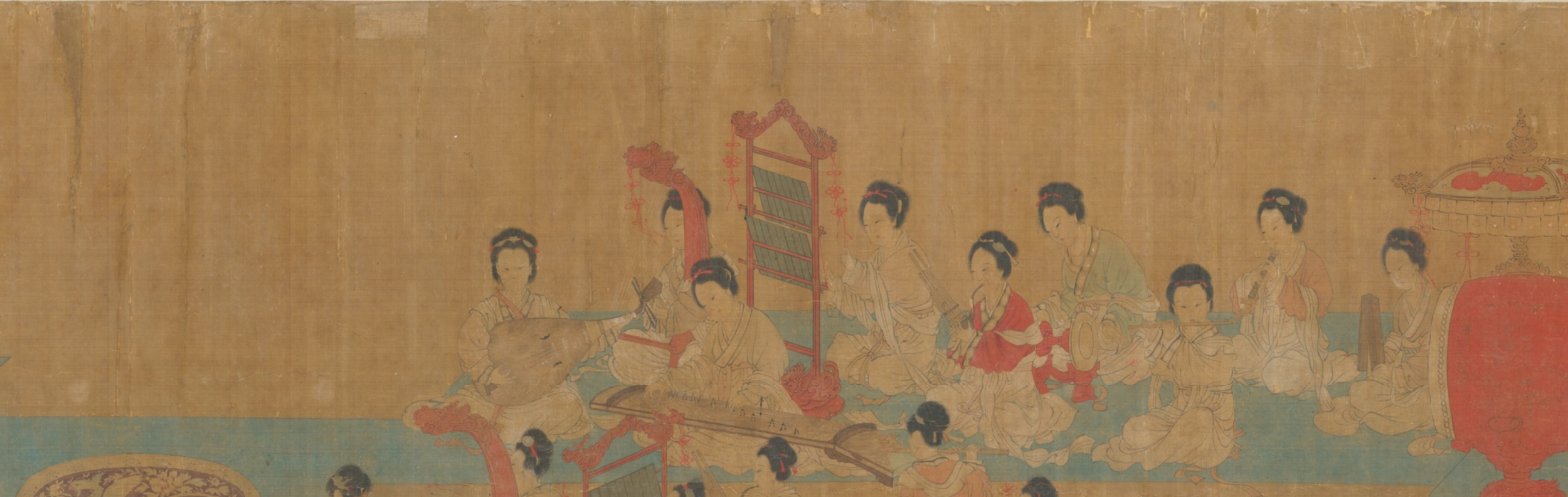
In The Alchemical Wedding (1996), for large ensemble, Australian composer Liza Lim seeks contact points between “seemingly disparate musical entities” (1996)—a pursuit reflected in the work’s title. This virtual contact is evidenced by the work’s peculiar instrumentation, where the Chinese Er-hu and Indonesian Angklung are pitted against a large Western ensemble. Reflecting the cultural fusion of composer’s upbringing between Australia and various Asian countries, The Alchemical Wedding represents a marriage of musical possibilities through the collision of Asian and Western instruments and aesthetics.

Abstract: This short essay will investigate how Rebecca Saunders uses several orchestration techniques to create a timbral progression in her work dichroic seventeen in order to emulate the visual phenomenon of dichroism.
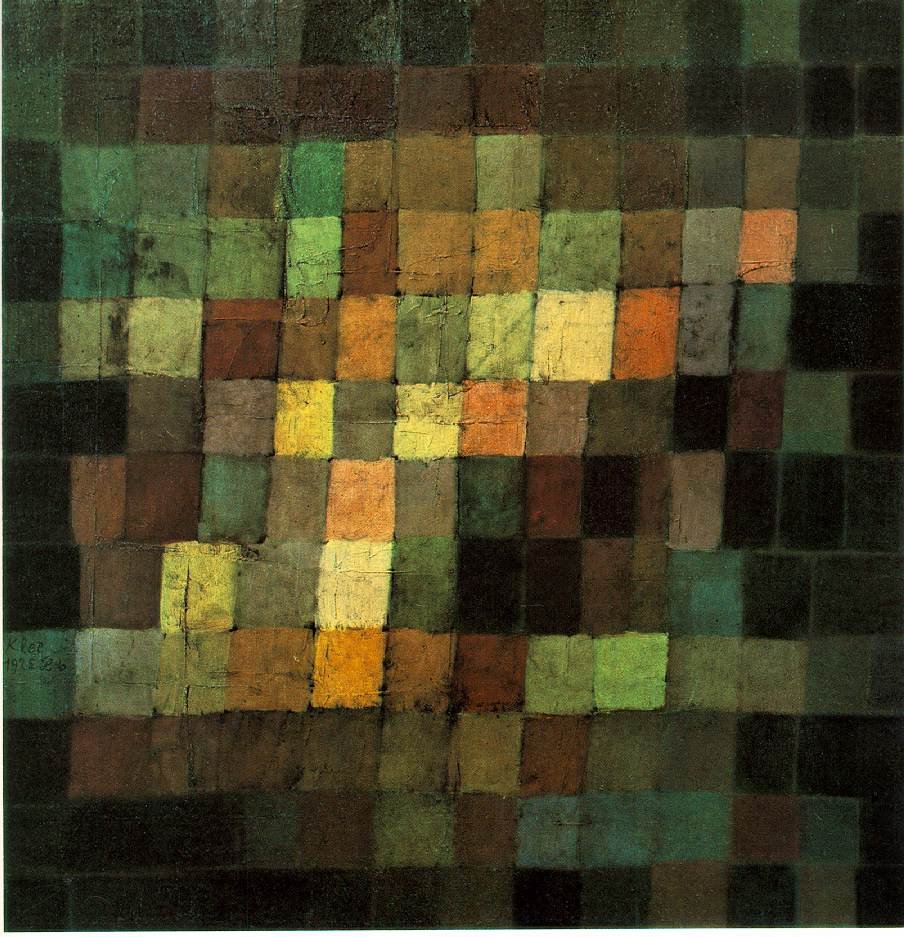
The opening section of the ensemble piece Pour l’image by Philippe Hurel is underpinned by a series of orchestration approaches that work in concert to generate large-scale musical transition. The first prominent transition happens in the first 15 measures, traversing from a complex timbral agglomerate to a transparent polyphonic texture. The second transition happens in mm. 22-45 where a harmonically and timbrally dissonant texture gradually condenses into a passage of consonant chordal echoes.

In a brief article from 1971, British composer Elizabeth Maconchy (1907–94) stated that the string quartet is “above all best suited to the expression of the kind of music I want to write – music as an impassioned argument.” Maconchy’s highly dissonant String Quartet No. 10 (1972) exemplifies this compositional philosophy.
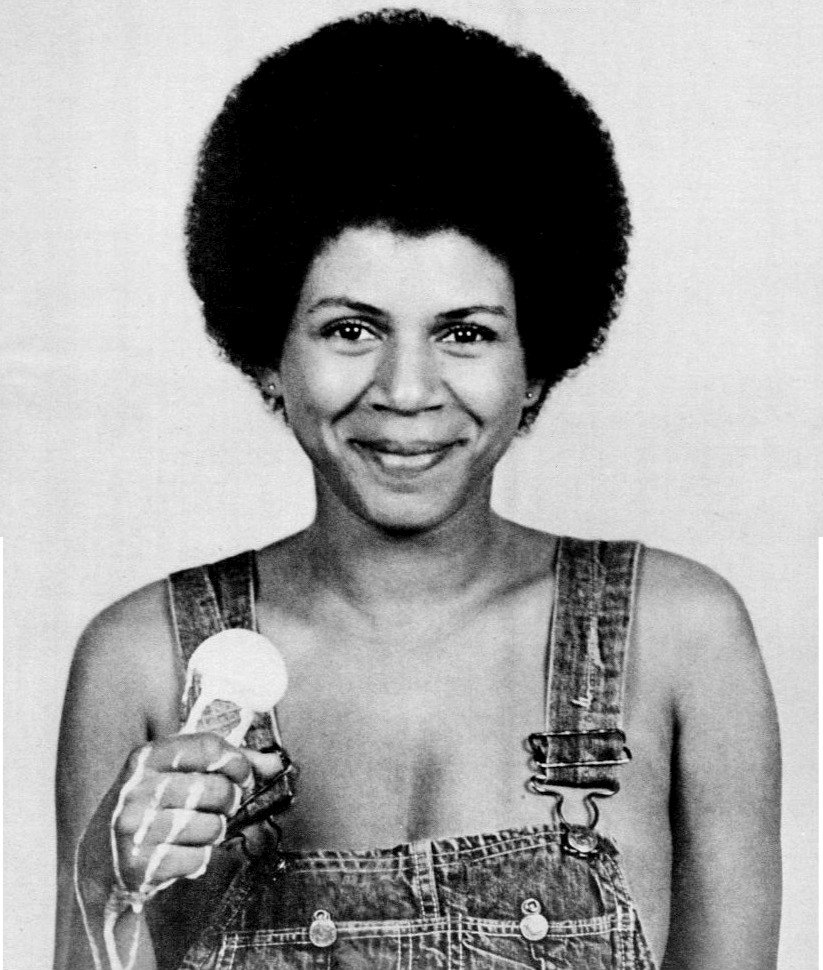
The 1975 live version of Minnie Riperton’s “Lovin’ You” sets itself apart from her 1974 album, Perfect Angel, not just because of its extended length but also because of Riperton’s whistle register ad-lib in the middle of modal register singing.

In a moment of vocal, narrative, and timbral intensity, Christina Aguilera’s performance as the character Ali in the 2010 film Burlesque shatters the viewers’ expectations.
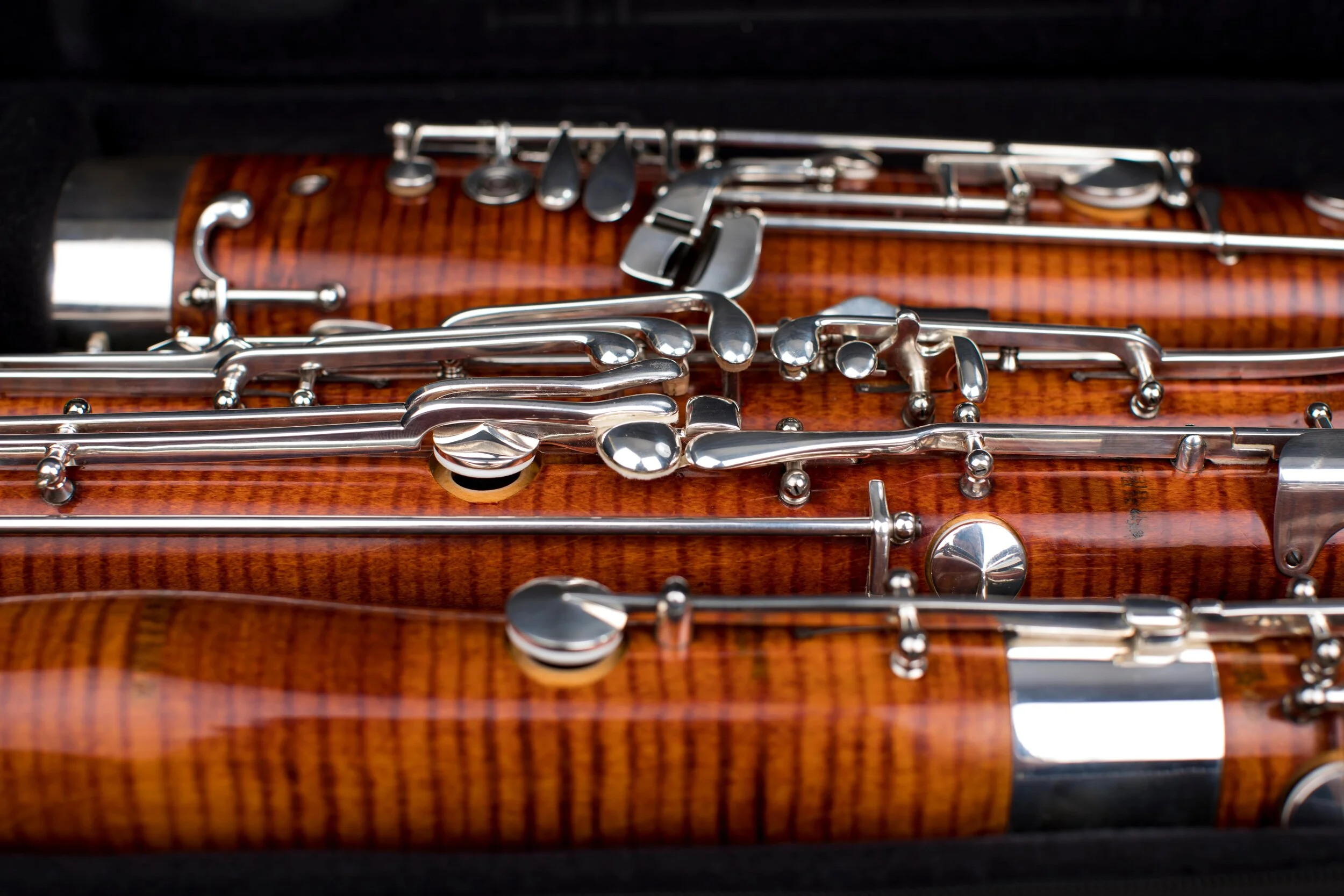
The sound of today’s bassoon far exceeds the range and intensity of its ancestors, and recent music written for the bassoon has increased in variety and complexity accordingly. Extended techniques for bassoon, including multiphonics and timbral trills, create entirely new and almost uncharacteristic timbres, ones that listeners cannot even identify as bassoon sounds. Thus, the timbral lexicon for bassoon could use some updates.
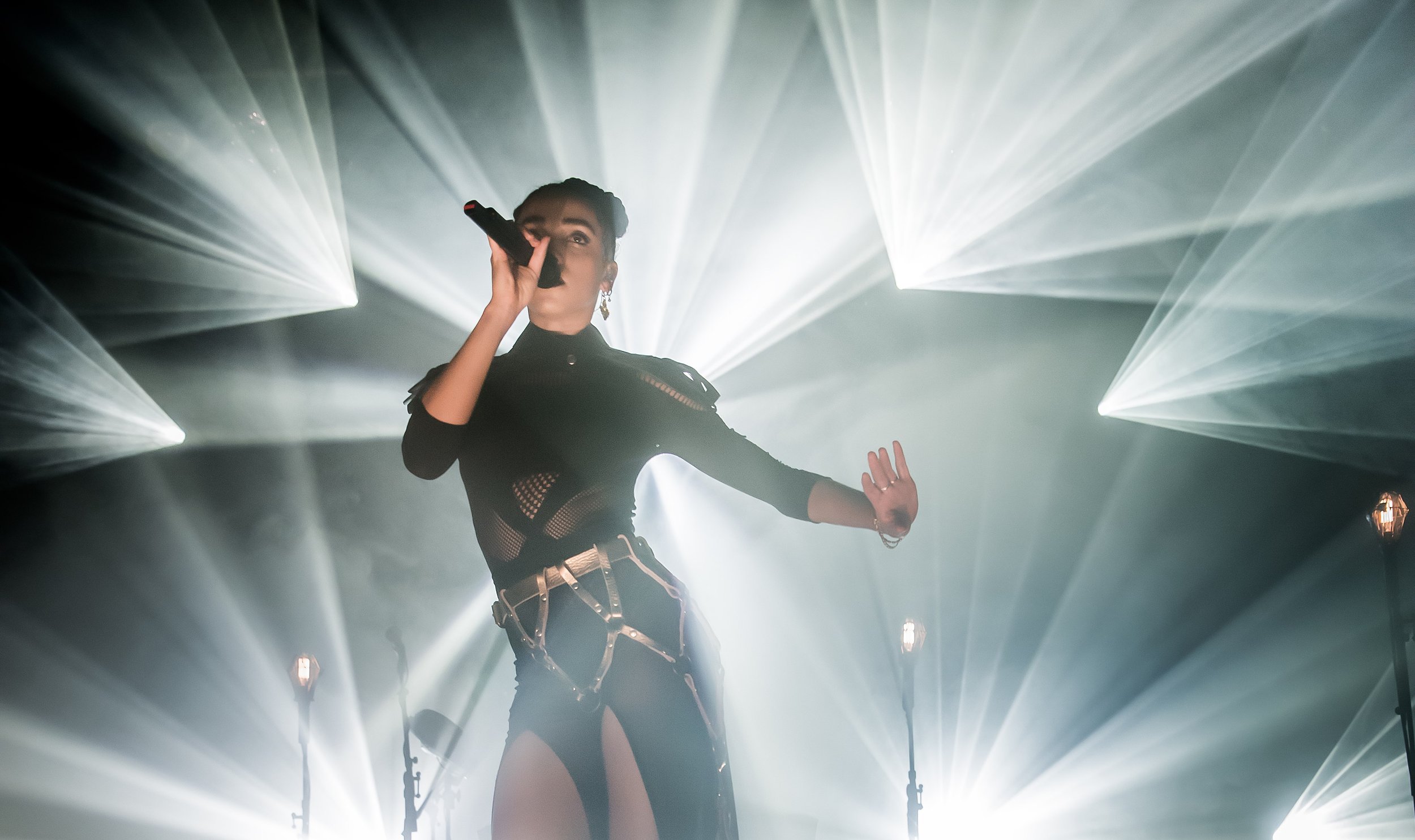
A tragic ode to perseverance and rebirth, “Cellophane” tackles the intense emotions of a public celebrity romance scrutinized by online critics. In “Cellophane,” repetitive lyrical content such as “didn’t I do it for you?” express twigs’s disbelief in her own crumbling relationship while other lyrics (e.g., “they want to see us, want to see us apart”) relate to the taxing nature of online comments.

Much of the piece’s effect is accomplished by Reitzell’s intentional manipulation of timbral signifiers. Most attacks have been removed in a kind of electronic vivisection – a commingling of the known and the unknown that creates ambiguity in the sonic space.

I am standing on a rainforest floor. Surrounding me, but in my aural periphery, a million insects murmur, forming a sonic haze as impenetrable as the thick vegetation. My focus is drawn towards the canopy, where a few birds converse, hidden from view.

In 1971, American composer James Tenney wrote the solo violin piece Koan as part of his Postal Pieces. The score is contained entirely on a postcard consisting of only seven measures. A string quartet arrangement of Koan, written by Tenney in 1984, retains the original violin line but adds a further harmonic context in the remaining three instruments.
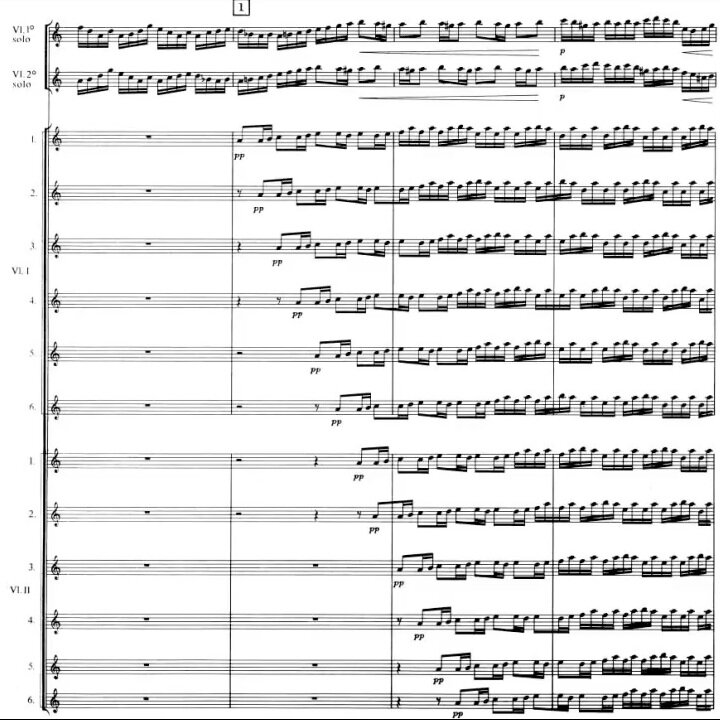
Alfred Schnittke’s Concerto Grosso No. 1 (1977), composed at the height of his “polystylistic” period, is filled with diverse musical materials. The 28-minute piece is divided into six movements combining different musical genres, styles, and sonorities. As musicologist Maria Bergamo describes, “The musical ideas, the themes and motives of the work are linked in all six movements, gaining new interpretations and aspects by varied treatment and paraphrases.”[1] For this Amazing Moment in Timbre, I will describe the interaction of timbres in the second movement, the Toccata, focusing on two main timbral features: sound mass and textural integrations.
As stated in the album liner notes for Eric Wubbels’s Duos with Piano Book I, “these pieces aim to develop a 21st-century conception of ensemble virtuosity (now a virtuosity of listening, concentration, timbral fusion, and collaborative decision-making as much as of technique) in the microcosm of the duo format.” “the children of fire come looking for fire” (2012), for violin and prepared piano, stays true to Wubbel’s stated aim not only in its inventive combination of similar gestures in differing instruments, but also in its use of these individual instruments to highlight the and forefront each other’s particular timbral qualities.

A snare drum pounds relentlessly for the first sixty seconds of James Blake’s “Buzzard and Kestrel,” punctuated by random swoops of vocoderised voices, the occasional handclap, and an intermittent sub-bass almost at the edge of hearing. As the drum pattern repeats again and again, its reverberation steadily grows until the entire track is blanketed in a continuous sizzle. At its peak, around 0:56, the drum’s attacks are almost completely swallowed by their own echoes, the reverb an unremitting rush in our ears…
Then, something amazing happens.

No doubt, a stirring sense of vitality captures you from the very first moment of this miniature. But what is it that is so captivating about this Intermezzo? Clearly, the composer focuses our attention on a very particular technique of orchestration that he uses throughout. Nevertheless, we don’t get tired of it: it stays fresh long after we recognize this particular orchestration as a main expressive element…

From the very beginning of the piece, Sarah Hennies’s Flourish for two vibraphone players, leads us into an extraordinary, mystical, new world of sound. What is so enigmatic about this piece is that a lot of the music happens in a realm of timbre beyond what is written and what is played. Precisely and cleanly scored in minimalist fashion of single-measure repeating cells, the atmospheric reverberations produced by the vibraphone are here left to write their own counterpoint….
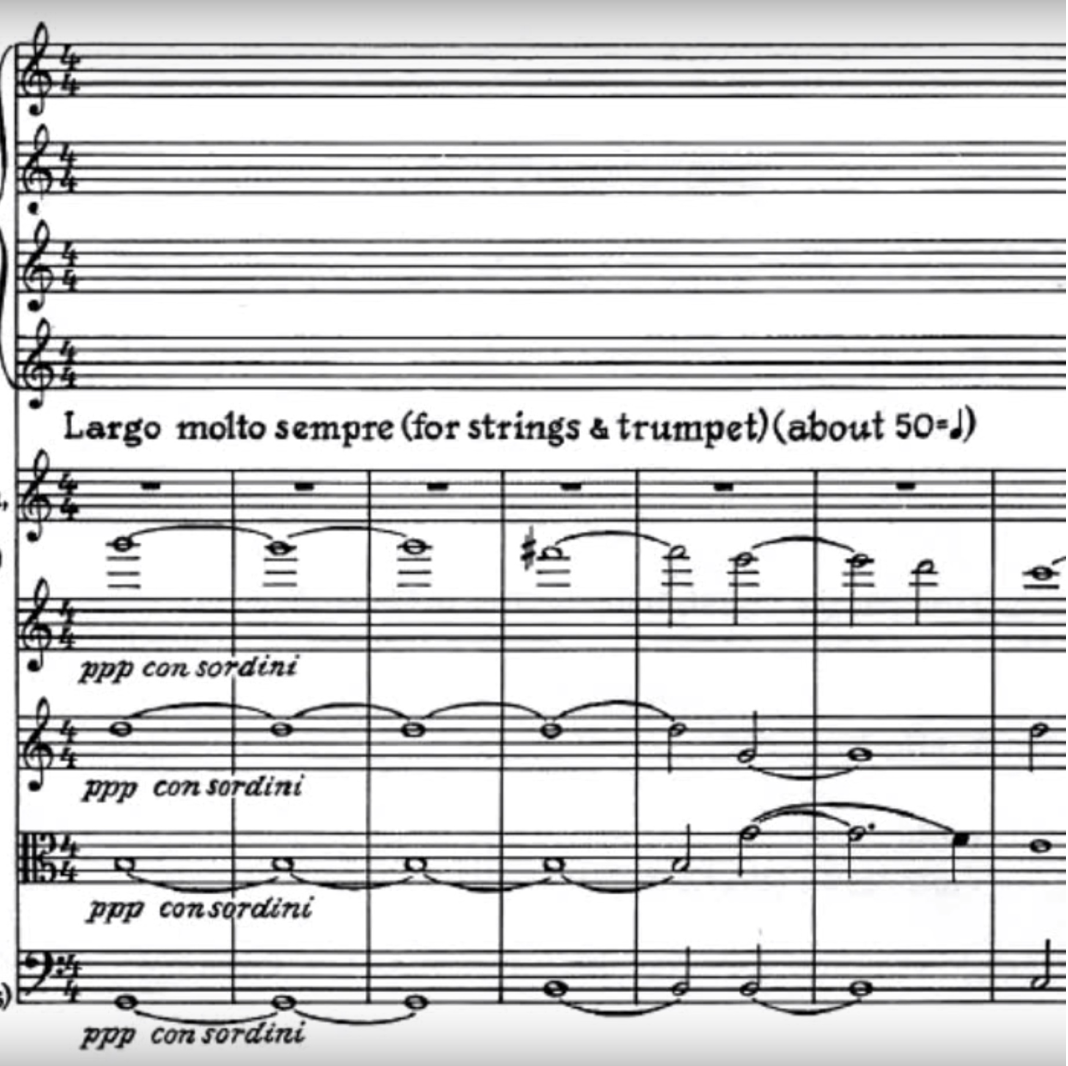
In 1908, American composer Charles Ives composed The Unanswered Questionfor string orchestra, solo trumpet (or English Horn) and four flutes (or three oboes and one clarinet). This piece inspired Leonard Bernstein’s famous Norton Lectures of the same title at Harvard in 1973 and continues to capture the imaginations of musicians and audiences today….
Trevor Wishart is a contemporary British composer closely associated with extended uses of the human voice. Whether in acousmatic pieces such as Encounters in the Republic of Heaven (2011) or in pieces for live performance such as Vox 4(1987), his compositions masterfully exploit the subtlety and range of human vocal production…

When considering the compositional problem of Goya’s deafness, Gian Carlo Menotti may have struggled to find the best approach. However, forty years prior to the première of Goya (1986), he had already explored the issue of muteness …

The Amazing Moments in Timbre series continue with a piece by Olga Neuwirth. Known as the "Enfant terrible" of the Austrian contemporary classical music scene, Neuwirth composes in a very theatrical and expressionist way, and describes her own art as a music of catastrophes ("Katastrophenmusik"). In her Hommage à Klaus Nomi(2009), for countertenor and chamber ensemble…

Blend is achieved when two or more timbres appear to “fuse” together. A particular blend of multiple timbres occupies a continuum between total fusion (completely blended) and total heterogeneity (not blended at all).

A compositional technique where a musical line or melody is split between several instruments, rather than being played by a single instrument. Each instrument plays a note or a short succession of notes, creating a continuous melody with a constantly changing timbre or "tone colour.”
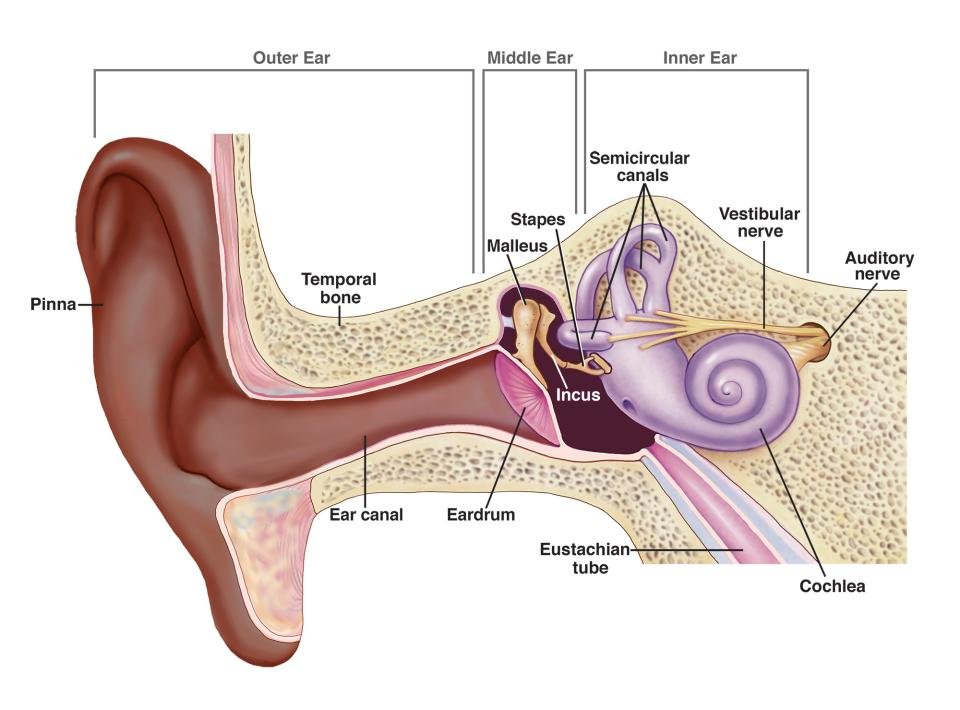
Suppose you enter a restaurant with a friend, mid-conversation. As you enter, you are greeted by the background noise of other patrons’ conversations. You and your friend begin to speak louder so you can hear one another. You’ve just experienced masking, a very familiar yet fascinating phenomenon that many of us encounter every day without even noticing.

In the process of analyzing the spectrum of a sound, it is sometimes useful to describe its spectral properties in terms of energy distribution rather than individually mapping all its components. In so doing, we invoke the concept of spectral envelope, a curve that can be obtained by successively connecting the peaks of the partials shown in the frequency representation of the sound (i.e., with frequency on the x-axis and energy or amplitude on the y-axis). Spectral envelopes are important factors in timbre perception. They reflect the acoustic properties of an object that produces sound in terms of the energy distribution across the frequency spectrum.

Just as a frequency spectrum makes it possible to analyze the partials and noise components that make up a sound, a spectrogram can be used to visualize the evolution of these components of a sound over time. The first modern device able to produce such a representation of sound was the “sound spectrograph,” developed at Bell Telephone Laboratories in the 1940s [1]. A spectrogram has a very intuitive way of displaying its parameters. Just as in a musical score, time is represented on the x-axis, frequency on the y-axis, and energy/amplitude is determined by the intensity/hue of the colors.
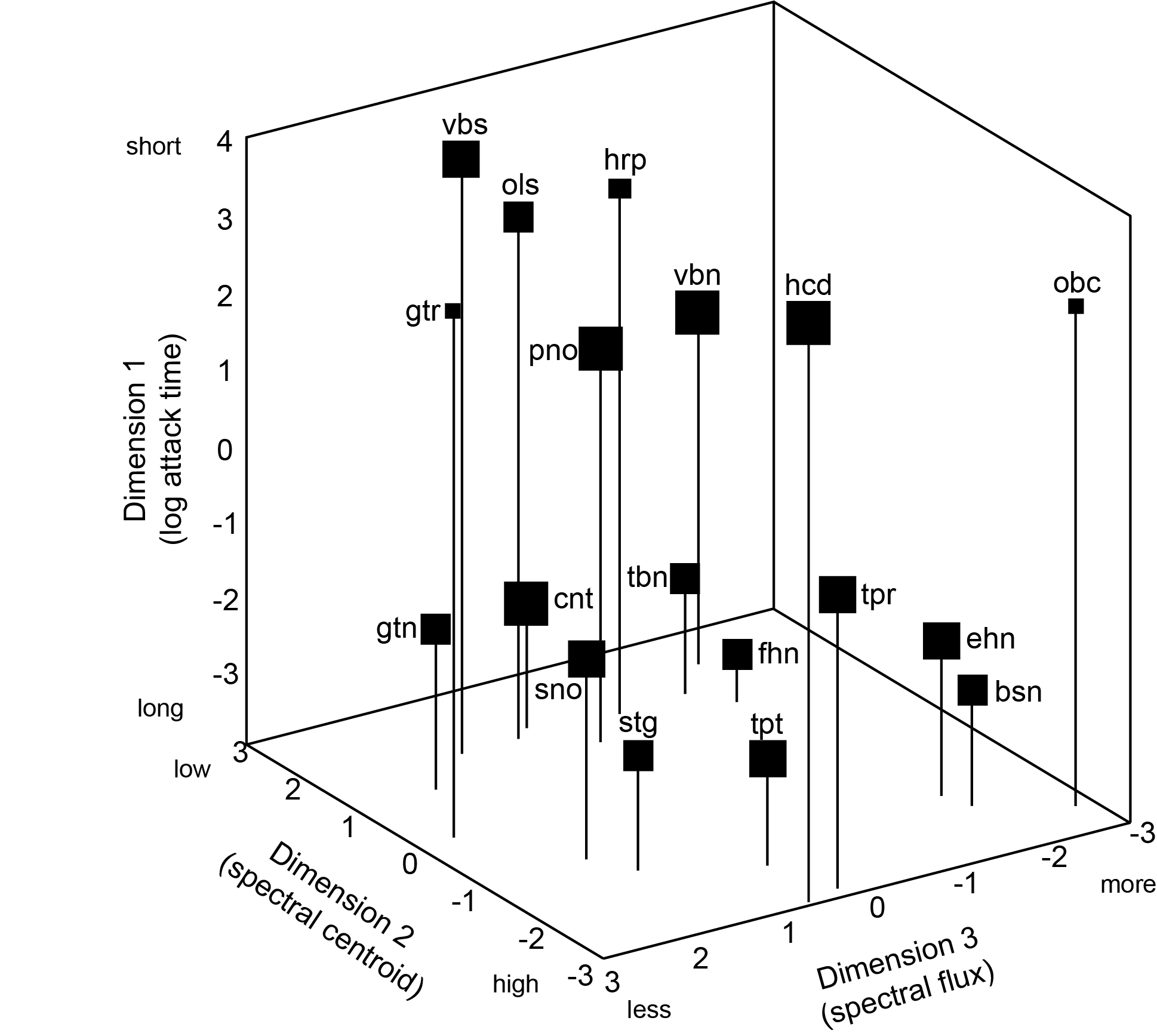
A sound’s timbre can be represented by a point inside a conceptual timbre space, a space where the axes are usually defined by the principal attributes (e.g., spectral centroid, attack time) that one would implicitly use to perceive or conceive any timbre in a given context. Timbre spaces are obtained using a statistical method called multidimensional scaling analysis (MDS), which generates a simplified multidimensional map from a series of perceptual distances between pairs of timbres (as measured in perceptual experiments). The experimenter then deduces the attributes (acoustic descriptors) that best describe the axes obtained. Timbre spaces provide us with complementary information to the neuro-cognitive mechanisms of timbre perception, and can also be a very useful compositional tool.
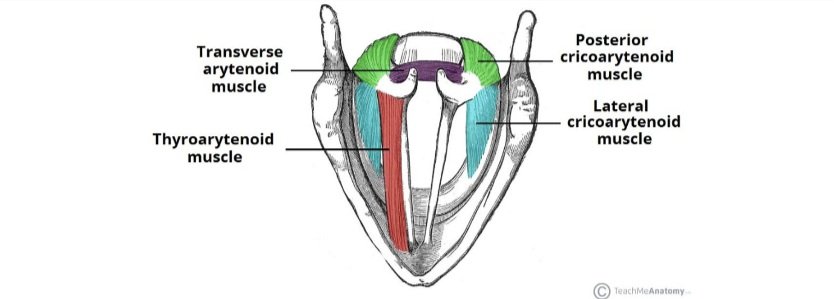
Passaggio, an Italian word translating to passage or transition, is the bane of many a classical singer and the secret weapon of folk-inspired vocalists like Dolores O’Riordan, Jewel, and Sarah McLachlan. In English we often refer to this as “the break.” One of the main goals of classical vocal technique is smoothing out register breaks. This requires finesse, patience, and perseverance. It is a process that cannot be rushed because singing in the passaggio for extended periods of time can mentally and physically tax even experienced singers, causing serious vocal fatigue.

Sound is vibration! Repeated, continuous vibration of the air creates sustained sounds. Within sustained sounds, vibration modulations are a natural component of both vocal and instrumental music. Patterns of vibration modulations are perceived by the human ear, and we call them vibrato. Vibrato is commonly accepted to be a distinctive feature of musical sound, inextricably tied to artistic expression and timbre.

Instrumental synthesis is a technique for composition and orchestration first developed in the 1970s. It is a founding principle of French spectral music, represented at that time mainly by the composers Tristan Murail, Hugues Dufourt, and Gérard Grisey. This type of compositional process could not have existed without the technological progress in musical acoustics made in the previous decades…
La synthèse instrumentale est une technique d’écriture et d’orchestration développée principalement dans les années 1970-1980. C’est le principe fondateur du courant de la musique spectrale, né en France et principalement représenté par les compositeurs Tristan Murail, Hugues Dufourt et Gérard Grisey à cette époque. Ce procédé compositionnel n’aurait pas pu exister sans les progrès technologiques en acoustique des dernières décennies.

“Brightness” is one of the most common terms used to describe sounds, drawing on strong cross-modal associations. Most people can call to mind examples of “bright” sounds: what do these sounds have in common?
Most sounds are made up of multiple different sound components, including partials and noise components. The relations between sound components have a big impact on how the overall sound is perceived:

Have you ever wondered how opera singers sing so loudly? In the voice studio, operatic singing is not actually thought of as loud but rather as possessing resonance (in singers’ terms, not acousticians’ terms), focus (sometimes visualized as a laser point), cut (a non-technical term meaning the voice can cut through the texture of an orchestra), or squillo (an Italian word for the buzzy quality in an operatic voice). A classically trained voice can be heard despite being accompanied by strings, percussion, woodwinds, and, in the case of Wagner’s Die Walküre, twenty-two brass instruments.

Inharmonicity is a feature of timbre that is related to the frequency spectrum of a given sound. It is measured through an analysis of the partials (see https://www.actorproject.org/timbreducation/timbre-term-of-the-week-1), or, more precisely, of their frequencies and the intervals between them….
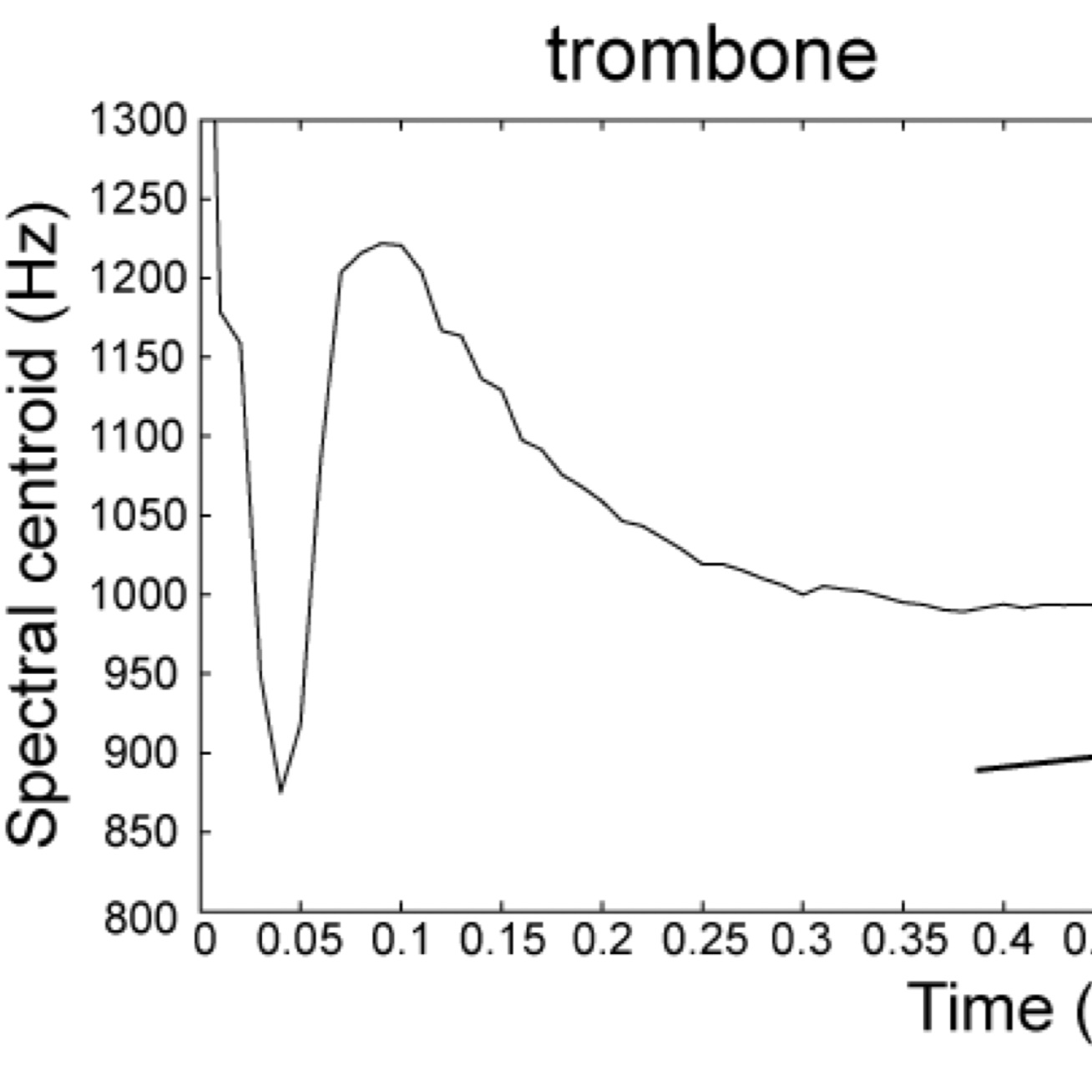
Spectral centroid is an acoustical descriptor of timbre. Its value is obtained through a statistical measurement on the frequency representation of the signal (the frequency spectrum - see Timbre Term of the Week "Signal vs Spectrum"). As its name says, centroid is a spectral descriptor and corresponds to a specific type of estimation of the spectral shape (or curve)…
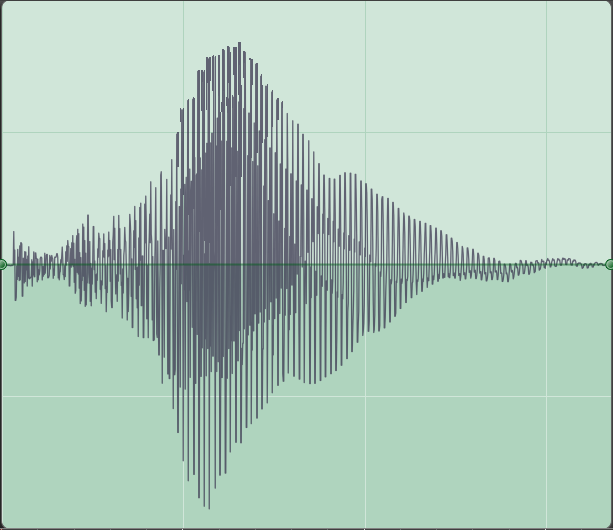
In everyday life, sounds are captured by our auditory system and analyzed in our brains. But in order to better understand the physical phenomena that comes with sound production, we use analytical methods, both analog and computational, that are based on different representations of the sound vibration.
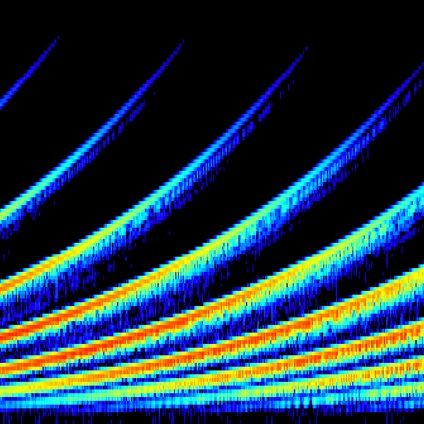
In this post Auditory Scene Analysis, we introduced some of the ways that sound components are grouped together by the auditory system. This has many musical applications, and also lays the foundation for some interesting auditory illusions. One of the most famous is the Shepard Tone, named for cognitive scientist Roger Shepard, which creates an illusion of perpetual ascent or descent. A quick search on YouTube will turn up many examples; here is a handful:
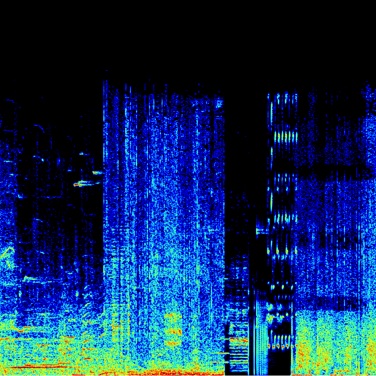
This is a spectrograph, a way of visualizing sound in which the y axis represents frequency, the x axis represents time, and darkness or colour represents concentration of energy. Looking from bottom to top shows how the sound energy is distributed on the continuum from low to high, and looking from left to right shows how that distribution changes over time...

In synthesis and sound recording and mixing, envelope describes how a sound’s amplitude (volume) changes over time. When recreating the timbre of an instrument (or other sounds such as a firetruck siren), it is equally important to get the overtone series right as it is to reconstruct or preserve the contour of the sound….
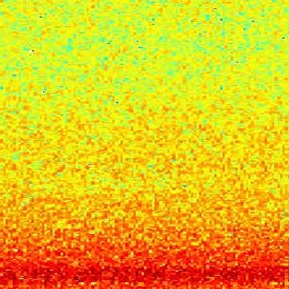
The word noise is a familiar everyday word that has many different meanings. Here, we are interested in its acoustical sense…
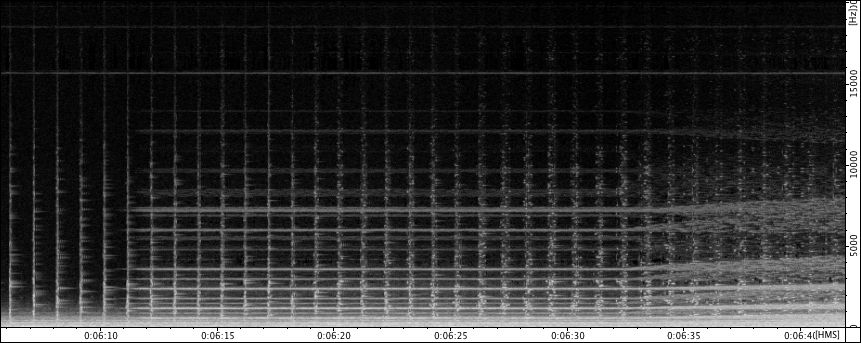
Although we may perceive sounds such as musical notes as singular, self-contained units, the physical reality often suggests something very different. Most sounds we hear are actually complex mixtures of many different sound components, some of which are noisy and transient, others of which may have stable frequencies…
Detailed accounts of research projects, workshops, and collaborations focused on timbre and orchestration, highlighting methodologies, findings, and potential implications for the field.

This report presents the fourth ODESSA recording session, which involves a string ensemble performing selected musical excerpts under controlled acoustic conditions. The study aims to analyze the artistic and acoustic factors contributing to musical blending, incorporating room acoustic variations and ensemble performance attributes.

Evoking the human voice through instrumental music has been a perennial goal for composers, appearing in traditional and historical performance instructions such as cantabile and contemporary practices such as formant modeling (e.g., Jonathan Harvey, Speakings, 2008; Peter Ablinger, Deus Cantando, 2009). Performers also make extensive use of vocal metaphors in their discourse (Healy, 2018). But do general listeners perceive instrumental music in terms of vocal qualities or metaphors? Here we address this question by asking listeners to rate their perceptions of vocality in music intended to emulate it. Listeners provided real-time continuous slider data indicating how “voice-like” they perceived our repertoire excerpts to be. These excerpts included contemporary vocal mimesis techniques, traditional approaches to vocality, and control stimuli (i.e., music that is materially similar to the memetic excerpts but not explicitly intended to evoke the voice). This study provides perceptual validation for a phenomenon that has been important to musicians for centuries. Based on these findings, a new composition by Louis Goldford has been commissioned and is currently in development, incorporating the vocality features identified in our analysis. Although the composition has not yet been performed, it represents a future application of our methodology within a creative practice.

This module documents an ACTOR research-creation project bringing together six composers with the musicians of the Quasar Saxophone Quartet for a yearlong series of meetings and workshops culminating in a concert on May 9, 2024, “Vacillations harmoniques en six tableaux / Harmonic vacillations in six pictures.” The project, organized by ACTOR members Andrés Gutiérrez Martínez and Robert Hasegawa, featured six McGill-affiliated composers (Andrés Gutiérrez Martínez, Chelsea Komschlies, Anita Pari, Lila Quillin, Jonas Regnier, Louis-Michel Tougas) with research assistance from saxophonists Tommy Davis and Kirby Leitz and the inexhaustible dedication and generosity of the members of the Quasar Saxophone Quartet: Marie-Chantal Leclair (soprano saxophone), Mathieu Leclair (alto saxophone), André Leroux (tenor saxophone), and Jean-Marc Bouchard (baritone saxophone).
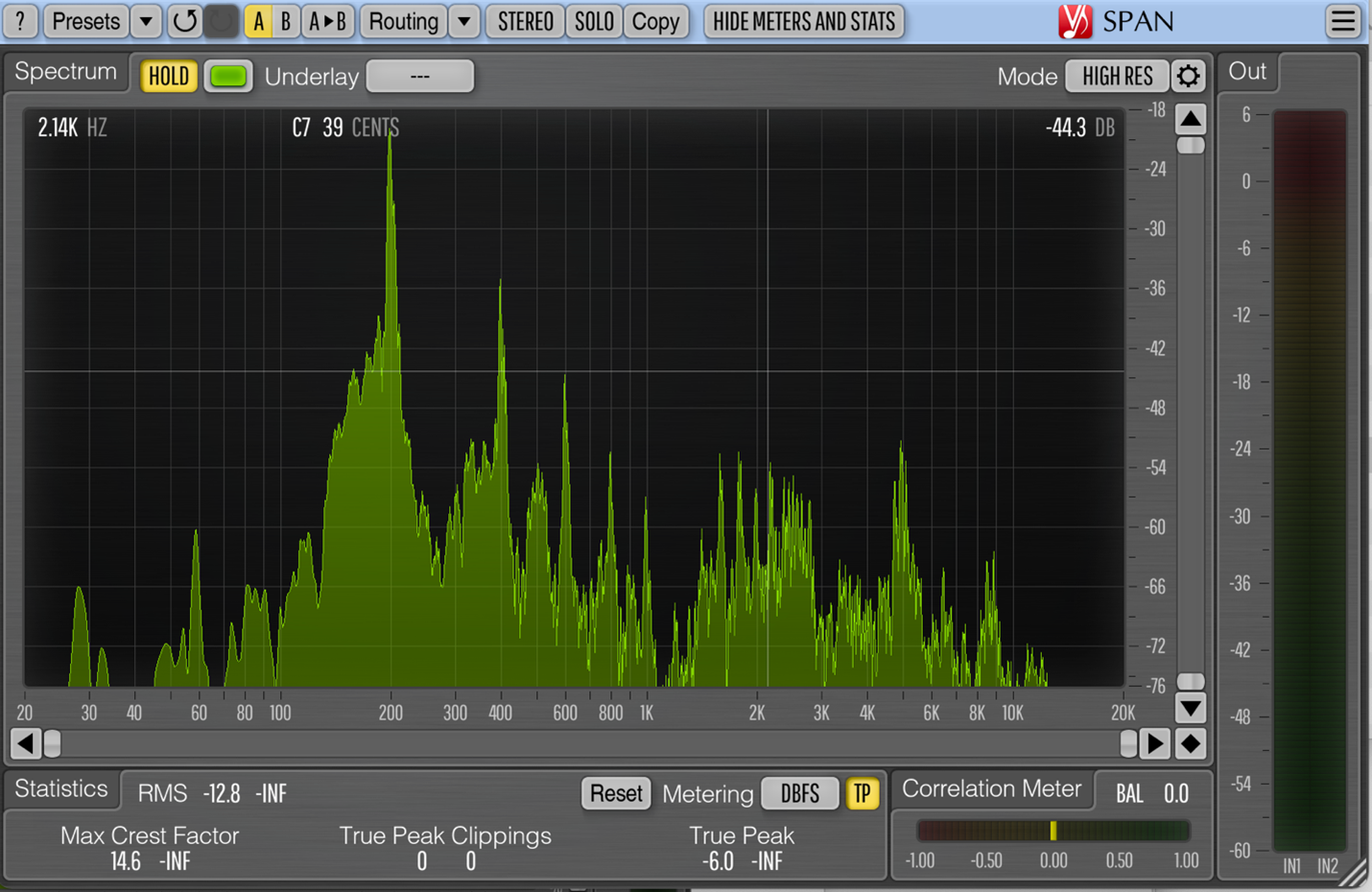
The general objective of this project was to conduct research on speech as a timbre model for orchestration. Drawing from computer analysis of speech, we aimed at exploring how two different languages and their acoustic properties could serve as compositional models. These models can be seen from two perspectives, the first one being the generation of musical material based on phonetic sound structures, and the second one the organization of this material according to rules analogous to those found in natural languages.
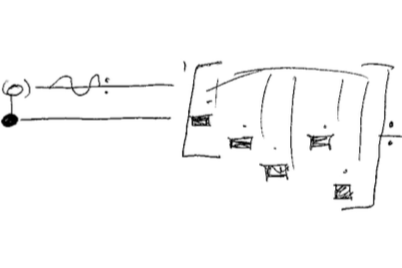
By participating in the first session of the ACTOR Project’s Contemporary Orchestration Research Ensemble (CORE), I composed a short work for a heterogenous chamber quartet that included a violin, a bass clarinet, a vibraphone and a trombone. These instruments had been pre-selected by ACTOR researchers to observe and compare how their particularities would be exploited by various composers throughout several academic institutions. In my case, the chosen approach was to present specific timbral approaches or effects in successive sections or blocks, sometimes in a very literal manner, all of which were based on a short melodic phrase which was developed prior to the composing phase in a series of experimentation sessions with the performers. As the project evolved it became apparent that a strategy of juxtaposed stylistic references was being used to present very clear and contrasted elements. This approach ultimately determined the composition’s general structure. This text presents the process that led to this composition’s production, discusses its objectives and succinctly presents its different segments. It attempts to describe how timbral strategies can have a determinative effect on the construction of a work, particularly in the context of a research-creation project.

Le projet "Petites pièces géométriques" – financé par ACTOR en 2021 dans le cadre des projets de recherche-création - représente une intersection innovante entre l'art sonore, la musique électronique et l'acoustique spatiale, développé à la Haute École de Musique de Genève sous la direction de Gilbert Nouno. Cette initiative de recherche et de création a exploré comment les espaces physiques peuvent devenir des éléments intégraux de la composition musicale grâce à l'utilisation d'une technologie expérimentale et spécialisée de projection ultrasonique.
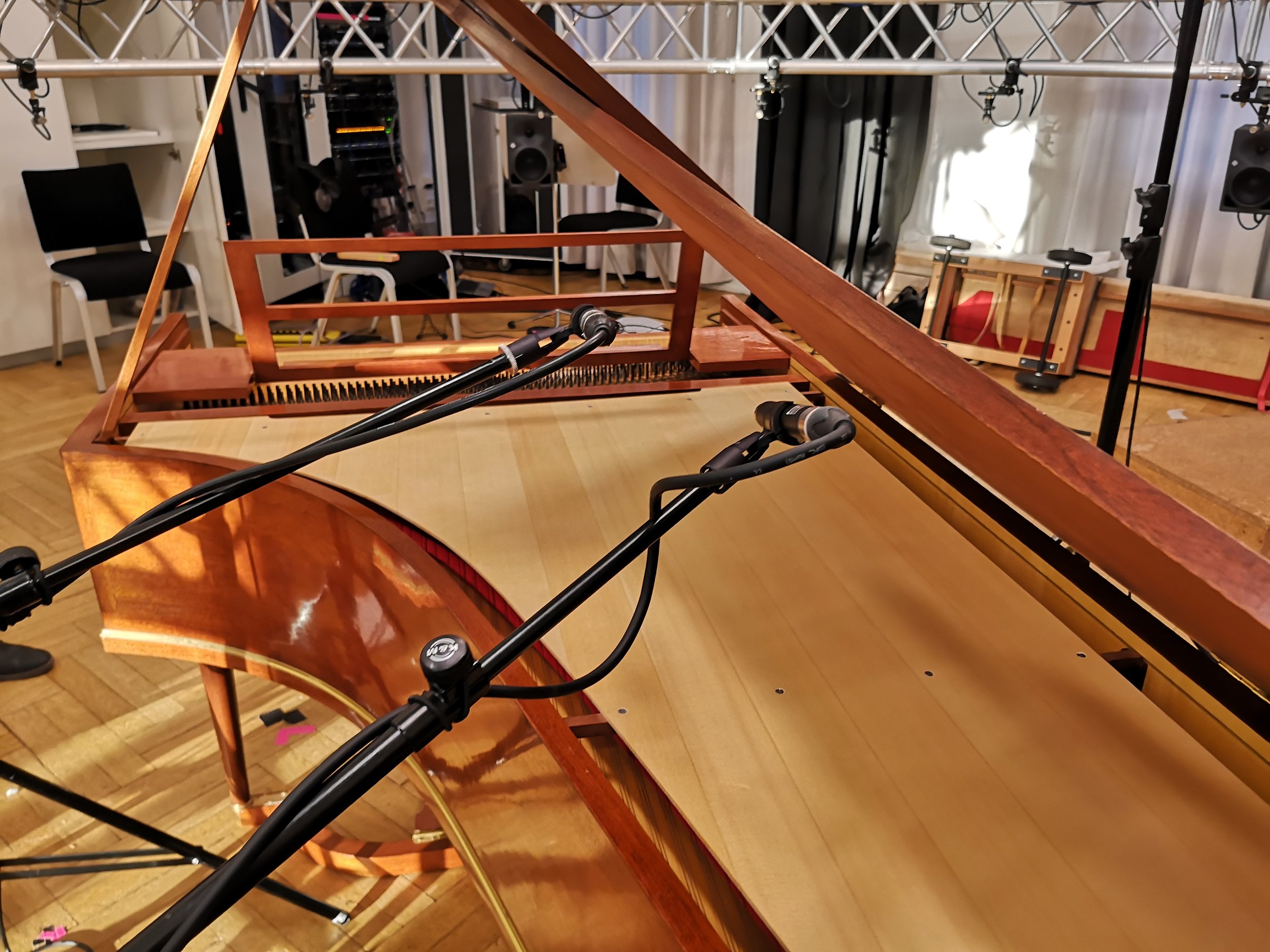
In the crucial decades of the development of the piano at the start of the 19th century, essential musical questions centered on sonic and performative nuances embodied in the contrast between different school of piano building in Vienna and Paris. For this ACTOR funded research project realized at the end of May 2022 at the Hochschule für Musik Detmold, two replicas of historical keyboard instruments that Beethoven employed to compose some of his major piano works are being contrasted. Replicas of an 1803 French Erard Frères piano and a ca. 1800 Viennese Walter piano were alternately played by historical performer and researcher Tom Beghin. A multitrack immersive sound recording captured the most characteristic sounds of both instruments in the close and mid-range. Simultaneously acoustical recordings and measurements were realized to analyze the origin of the sound waves in different distances. Perceptual analysis of the microphone signals in comparison with the acoustical data collected as well as materials from a pilot project served to describe in detail the timbral characteristics. The evaluation of all the recorded audio takes as well as acoustical investigations of the timbre, directivity, and the effect of the second sound board of the Erard are ongoing. Educational audio materials have been developed.

The composition of sound is a complex process that requires the implementation of numerous strategies and circumstances to achieve a successful outcome. Each musical work is the result of countless preliminary stages, prerequisites, and chance occurrences. The complexity of creation cannot be easily reduced, and the development of specific concepts for the direct experimentation with sound is necessary to navigate through the vast array of creative approaches found in the contemporary instrumental and electroacoustic repertoire. The gestation of a musical work is a mysterious process that surpasses our understanding. Working directly with sound allows us to follow a portion of this process, whether it begins with an idea seeking a sound to materialize or with a "found" sound emerging from an unexpected accident.

The following essay and derived sonic system were produced by Victor Burton through a collaborative interinstitutional effort with Jeremy Tatar, supported by the Analysis, Creation, and Teaching of Orchestration (ACTOR) project in Montréal. An excerpt of the text, intertwined with the first sonic system, was presented remotely at the Y6 ACTOR Symposium held in summer of 2024 at the University of British Columbia in Vancouver, Canada. A subsequent lecture also paired with the presented system was performed live in Berlin at Cashmere Radio in July 2024.
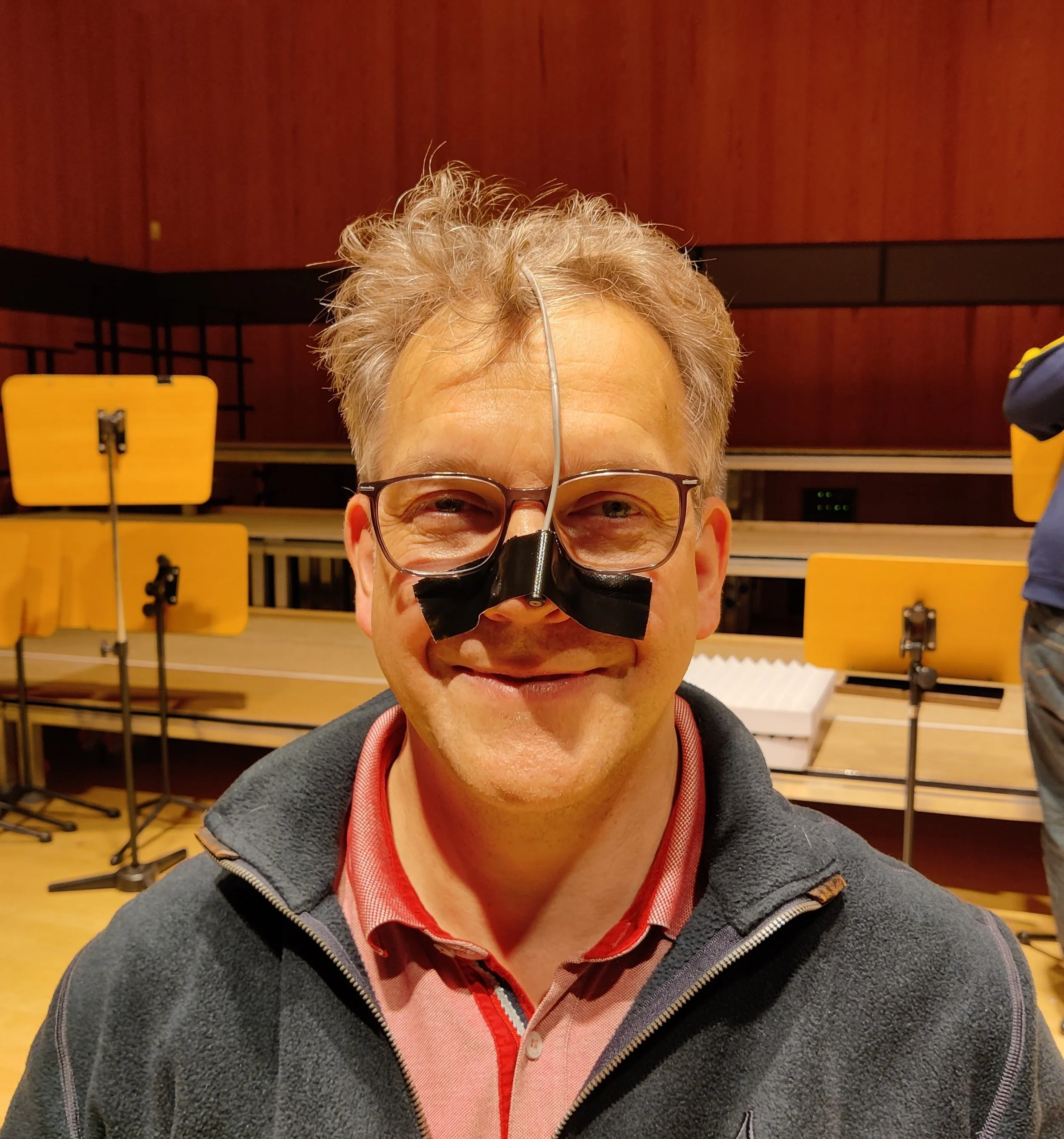
Accurately capturing individual sound sources when recording a multi-musician performance requires a crucial balance between obtaining “acoustically clean” signals from each instrument and preserving musicians' visual and auditory feedback from co-performers and the room acoustic environment. This balance is crucial for research on orchestral and ensemble sound, particularly in studies on musical blending between instruments in ecological conditions, as well as applications in virtual reality orchestra simulations and music recording techniques.

The acoustic characteristics of a performance space significantly influences musicians' auditory experience, influencing the ability to interact and synchronize within an ensemble. Understanding how room acoustics affect musical performance is crucial for optimizing acoustic attributes of performance spaces, and supporting musicians in various performance settings. This study explores how changes in room acoustic conditions impact musicians’ awareness and perception of their surroundings, with a particular focus on ensemble performance. To achieve this, we employ virtual acoustics, a technique that allows precise manipulation of room acoustic properties through the process of auralization. By systematically adjusting acoustic characteristics of performance space, this pilot study aims to assess musicians' sensitivity to environmental changes, determine preferred acoustic conditions, and investigate the role of acoustic feedback in performance. Through this approach, it seeks to offer insights into the perceptual and cognitive effects of varying acoustic conditions on ensemble performance and musical blending.

Accurately capturing individual sound sources when recording a multi-musician performance requires a crucial balance between obtaining “acoustically clean” signals from each instrument and preserving musicians' visual and auditory feedback from co-performers and the room acoustic environment. This balance is crucial for research on orchestral and ensemble sound, particularly in studies on musical blending between instruments in ecological conditions, as well as applications in virtual reality orchestra simulations and music recording techniques.

The Real-time Timbral Analysis for Musical and Visual Augmentation project explores the potential of real-time machine learning (ML) techniques to create dynamic visuals in the context of musical improvisation and composition. This artistic research aims to enable musicians to interact with visuals that respond directly to their performance, thereby guiding listeners' perception through visual representations of changes in timbre and spectrum. The project incorporates software tools such as sp.tools, FluCoMa, Max MSP, and TouchDesigner to achieve real-time instrumental augmentation for musicians, offering a unique way to visualize musical parameters.
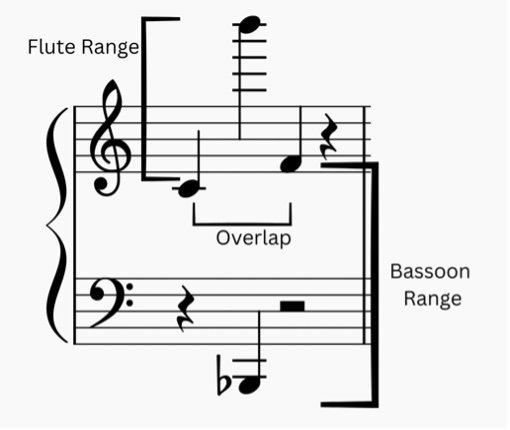
In this study, the authors aimed to fill a crucial gap in timbre research regarding the variation and range in timbre within an instrument and its corresponding semantic associations. These variations depend on dynamics, pitch, articulation, duration, vibrato, technique, and other parameters.

As an ensemble of four instruments from the same family, the quartet has an exceptional capacity for blending but can also sharply differentiate the timbres of its members when desired. As an uncoducted ensemble, the string quartet depends on close non-cerbal communication between its members, and quartet members are accustomed to making subtle variations in their playing to achieve timbral and orchestrational ends. The purpose of this project is to explore how composers can orchestrate for the string quartet, examining strategies for timbral blend, stratification, modulation, and contrast.

“Timbrenauts” is a cross-institutional collaborative student research-creation project. We employed experimental designs from timbre perception research to generate data models that will inform the creation of new musical compositions for an atypical instrumental duo of cello and trombone, while leveraging extended techniques rarely explored in traditional musical repertoire. In this TOR module, we discuss our motivations, data collection process, similarity judgment experiment, and the resulting data we want musicians to use as a basis for their creative output.

The primary objective of the Space As Timbre (SAT) project is to conduct meticulous experiments on orchestration solutions and playing techniques, to achieve timbral effects that closely approximate the perceptual characteristics of diverse acoustical spaces. To this end, SAT endeavors to illuminate the intricate interplay between the spectral content of a sound, its resynthesis through orchestration, and the resulting perception of the quality of the acoustical space where the sound seems to have been produced.

How do Luvale musicians tune their drums with heat and tuning paste? How does this tuning process change a drum’s timbre? How do practitioners describe these timbres? And what acoustic properties are encoded in these semantic, descriptive terms? In this collaborative and interdisciplinary module, we address these questions through the case study of a two-step tuning process among Luvale drummers in Zambia.

This module offers a streamlined resource for emerging composers seeking to introduce live electronics into their instrumental orchestration practice. Accessible and user-friendly software and hardware platforms offer a pathway for emerging or (technologically curious expert) composers to experiment with electronics in a low risk, low-cost context.

This project spurred the development of an internet-based guide for musicians that describes, in layperson terms, the fundamentals of acoustic features of musical instruments, stages, and performance/rehearsal rooms using visual and auditory examples. The guide also aims to explain what and how parameters can be assessed along with the audio recordings to document a musical performance.

The DaTE project investigated the use of dance tracking to control electroacoustic processing of acoustic timbres. To this end, the project involved a composer/ programmer, a dancer, a flautist, and a cellist, and used the UBC-developed Kinect Controlled Artistic Sensing System (KiCASS) to track the dancer and generate movement/position data. T

This project analyzes the understudied parameters of timbre and texture and their interactions with musical form in a new popular-music corpus, Timbre in Popular Song (TiPS). This study addresses two problems in popular-music scholarship: lack of research on timbre and texture, and underrepresentation of non-male and non-white artists in both popular music and its scholarship.

In late August of 2022, the rich sonority of the historical Chapelle du Grand Séminaire de Montréal presented the acoustical canvas for a multifaceted choral recording and research project. Under the baton of Andrew Gray, Montreal choir Voces Boreales performed Joby Talbot’s Path of Miracles for mixed chorus (2005) and percussion, a musical pilgrimage for 17 voices, inspired by the millennial Camino de Santiago de Compostela.
The purpose of the Musician’s Auditory Perception (MAP) project is to collect qualitative data via sonic ethnography in order to promote and analyze, both literally and metaphorically, (a) sonic collaboration between auditory learners, (b) modes of sound information gathering, and (c) the creative expression of musicians, while disrupting common pedagogic methods that reinforce hierarchical education practices.

"Masque de fer" (Iron Mask) is a module for exploring extended techniques on the drum kit, created by Gabriel Couturier and Martin Daigle who were awarded the ACTOR Project’s Collaborative Student Project Grant. The recording session generated an open-access extended technique resource that includes a stereo mix, the entire recording session, and the stems in 96 kHz or in 48 kHz. This session was filmed from the first-person point of view to allow researchers and composers to step into the world of the drum kit performer. This tool will allow composers to familiarize themselves with the sound possibilities which are presented in the research.
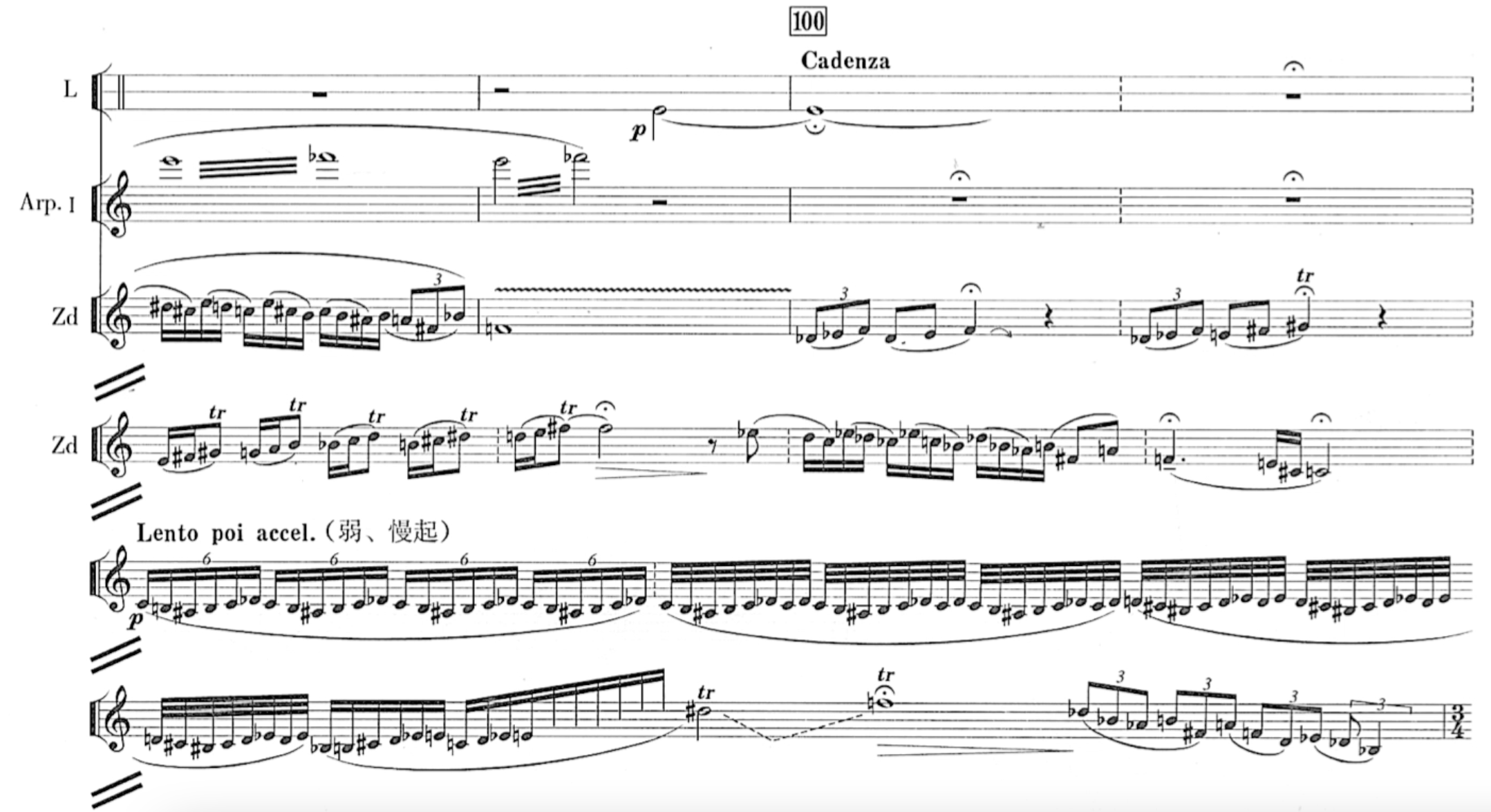
Composers make use of their knowledge of different orchestration techniques in creating certain effects and sonic outcomes. These effects may be comprehended by listeners to a greater or lesser extent depending on the amount of shared understanding with the musical tradition, style of music, and other factors. In this project, we look at how the success of these effects depends on both prior knowledge and experience, and how they are perceivable by listeners. Successful orchestration is built upon the fact that regardless of the instruments used or the musical or cultural connotations of the music, they adhere to universal mechanisms of auditory perception and cognition.
Engaging conversations and interviews with renowned conductors, tonmeisters, composers, and music scholars, providing a glimpse into their creative processes, philosophies, and experiences in the world of timbre and orchestration.

In this Dialogue, New discusss the unique instrumental combinations and timbres that Holst employs to evoke the distinct characteristics of each movement. She delves into the challenges of balancing the various sections of the orchestra, crafting effective phrasing, and interpreting the composer's intentions to create a cohesive and compelling performance.

Tianyi Lu shares her approach to conducting and the role of timbre and orchestration in evoking emotions and immersing audiences in the musical experience, offering a unique perspective on the art of conducting.
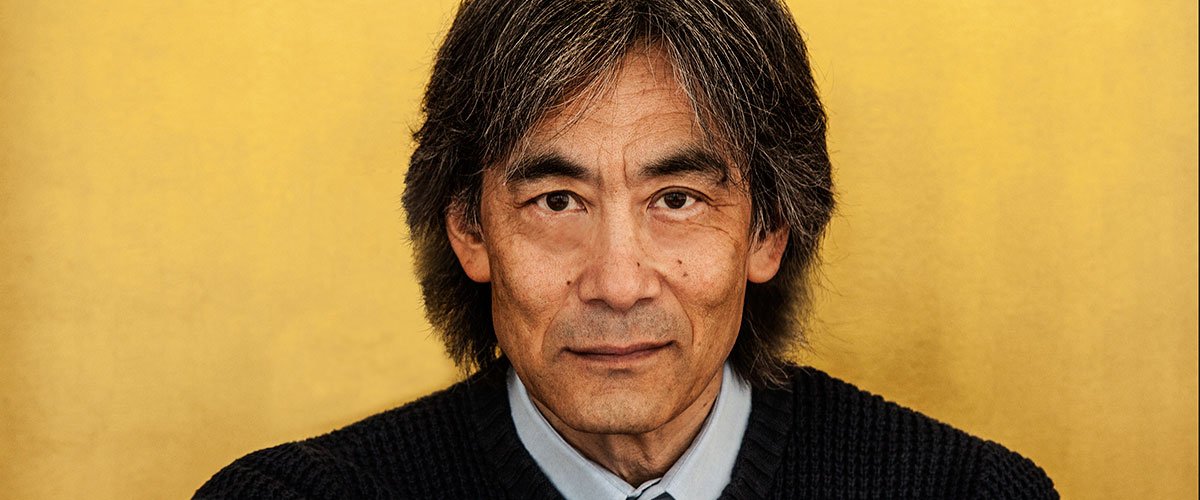
In this interview, Kent Nagano, then Artistic Director of the Orchestre symphonique de Montréal (OSM), shared his thoughts on the essential role of timbre in music, the power of imagination in interpreting scores, and the art of communicating musical ideas to the orchestra.
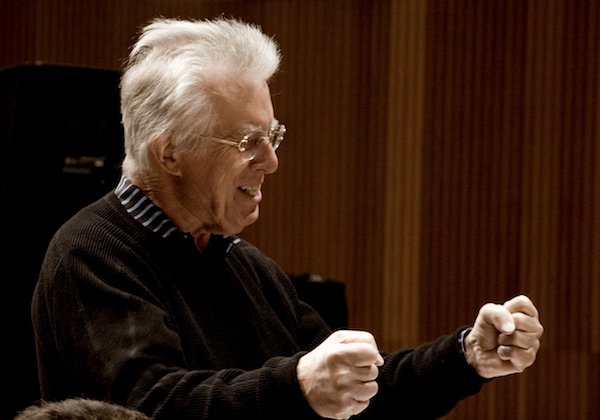
Roger Reynolds is Distinguished University Professor Emeritus of music composition at the University of California, San Diego. In 1989, he won the Pulitzer Prize for Music for the string orchestra composition, Whispers Out of Time. His more than 150 compositions have been exclusively published by Edition Peters New York for over five decades.

Nicolas Ellis is Music Director of the Orchestre National de Bretagne, Principal Guest Conductor of Les Violons du Roy, as well as Artistic Director and Conductor of the Orchestre de l’Agora, which he founded in Montreal in 2013. Known for his versatility in a vast repertoire, Nicolas has distinguished himself with the Orchestre de l’Agora by the conception of concerts with a dramaturgical approach.

The piano sound that we hear on a recording is a combination of the pianist’s performance, the characteristic sounds of the instrument, and the context of the space where it is recorded, to which the pianist is constantly reacting. The recording philosophy that is applied is an additional factor that contributes to the overall impression.
A collection of resources designed to support music educators and students, featuring writings on orchestration theory and practice, perspectives in instrumentation, new taxonomies, and analytical strategies. (For more pedagogical resources, please consult the "Learn about Timbre" and "Learn about Orchestration" sections of this website.)

La juxtaposition de deux fragments présentant des effectifs instrumentaux différents est un moyen efficace de varier le discours musical du point de vue de l’orchestration, s’agissant sans doute d’une des techniques dans laquelle l’intervention de l’orchestrateur est plus manifeste.

What is extreme orchestration? It is simply a challenge asking that composers and orchestrators define their goals and execute them extremely well.

A collection of analytical essays and interactive score examples offers a multi-faceted examination of Maurice Ravel's "Alborada del gracioso." Taken together and enhanced by interactive score examples, these essays provide a rich, multi-dimensional understanding of the orchestrational artistry at play.
Discover a wealth of knowledge in our collection of article and dissertation reprints, carefully selected from external sources. These publications, which have been previously featured in journals, conference proceedings, or as part of doctoral theses, offer valuable insights into various aspects of timbre and orchestration research. By bringing together these resources, we aim to provide a comprehensive overview of the field and facilitate access to important works that may otherwise be difficult to find.

Human speech surrounds us with music almost constantly. Most of the time, we receive this speech in a functional way: we hear the words and focus on their meaning, our main interest being the exchange of information, not the aesthetics of the sound world. But all we have to do is make a choice, consciously change our listening mode, press a button in the brain and decide to listen to the music in speech, to suddenly find ourselves in a world of fascinating and beautiful melodies, rhythms and timbres. This is just a slightly more specific case of the lesson of John Cage and so many others, who encourage us to open our ears to the music that is there for us all the time, if only we allow ourselves to hear it.

In raising the question of form-bearing dimensions in music, we are trying to understand the possibilities and limits of the apprehension of musical form in terms of the psychological mechanisms that operate on a received acoustic structure.
This doctoral thesis presents how the orchestration of timbre is in- vestigated from a performer’s perspective as means to “unfold” im- provisational processes. It is grounded in my practice as a pianist in the realm of improvised music, in which I often use preparations and objects as extensions of the instrument.

An analysis of orchestration treatises and musical scores reveals an implicit understanding of auditory grouping principles by which many orchestration techniques give rise to predictable perceptual effects. We present a novel theory formalized in a taxonomy of devices related to auditory grouping principles that appear frequently in Western orchestration practices from a range of historical epochs.
A selection of blog posts offering diverse perspectives on timbre and orchestration, including commentary on practices, reflections on the creative process, and informal discussions of research topics.

"Timbrarium" suggests a collection or library of timbres. It serves as a metaphorical space where the sonic potential of instruments or voices is stored and cataloged. Moreover, the concept extends to include personal and shared Timbrariums, which are the cognitive libraries of timbres that individuals or communities associate with specific instruments. These are shaped by experience and exposure to sounds, and they evolve as new techniques and timbres are developed or discovered. Thus, the Timbrarium is not a static entity but a dynamic, ever-expanding universe of sound that reflects historical changes, technological advancements, and the creative exploration of musical expression.

The Don Freund/David Cutler online Orchestration Textbook and Resource “Extreme Orchestration” offers the kind of in-depth information about the basic acoustics and playing characteristics of orchestral instruments that composers need to create fresh, compelling music within the resources of conventional playing techniques.
My goal with sharing some of these techniques is to open your mind to a curiosity of my instrument. By scratching the surface, I hope that you will scratch your head and think past whatever sounds you hear.


We are pleased to announce the release of the SpeaK Web version, a collaborative platform for organizing, presenting and sharing online sound lexicons created by Patrick Susini and colleagues. SpeaK is a free application; for access, create an account with a login on the Ircam Forum https://forum.ircam.fr/.

We listened to a lot of classical, folk and jazz, and I later became intrigued by the musics of other cultures with wildly different instruments and sonorities, and so sound colors galore were always available. The discovery of contemporary music and electronic music then blew the door open even wider to the wonderful world of timbre as a musician making some attempts at music composition: I just wanted to explore new and fascinating sound worlds.

The world of music is a resplendent and colorful world. In analogy with the visual world in which we live, the sounds that surround us are presented in an immensity of tones and varied nuances. When sounds are used to produce music, performed by musicians, instrumentalists and singers, the variety of tonal colors that they have at their disposal contributes to creating a wide universe of sound details, which enrich the communication of the musical content that the musicians share with their listeners.

About
Timbre and Orchestration Writings
Founded in 2018
Editors: Ben Duinker and Andrés Gutiérrez Martínez
Editorial Board: Stephen McAdams, Robert Hasegawa, Ben Duinker, Andrés Gutiérrez Martínez, Andre Martins de Oliveira, Jade Roth, and Kit Soden
Managing Editor: Andrés Gutiérrez Martínez
Founding Editors: Stephen McAdams, Robert Hasegawa, Jason Noble, and Kit Soden
Former Editorial Board Members: Jay Marchand Knight, Jason Noble, Julie Delisle, Lindsey Reymore, Matt Zeller, and Theodora Nestorova
For all peer-reviewed writings by publication date, visit Peer-Reviewed Writings.
Jaqueline Leclair’s album Music for English Horn Alone, released in October 2020, represents a landmark for the versatile—but often underestimated—English horn. In particular, the album showcases the colorful timbral palette of the instrument through both traditional modes of playing and extended techniques. This is the first part of two blogs addressing pieces on Leclair’s new album.