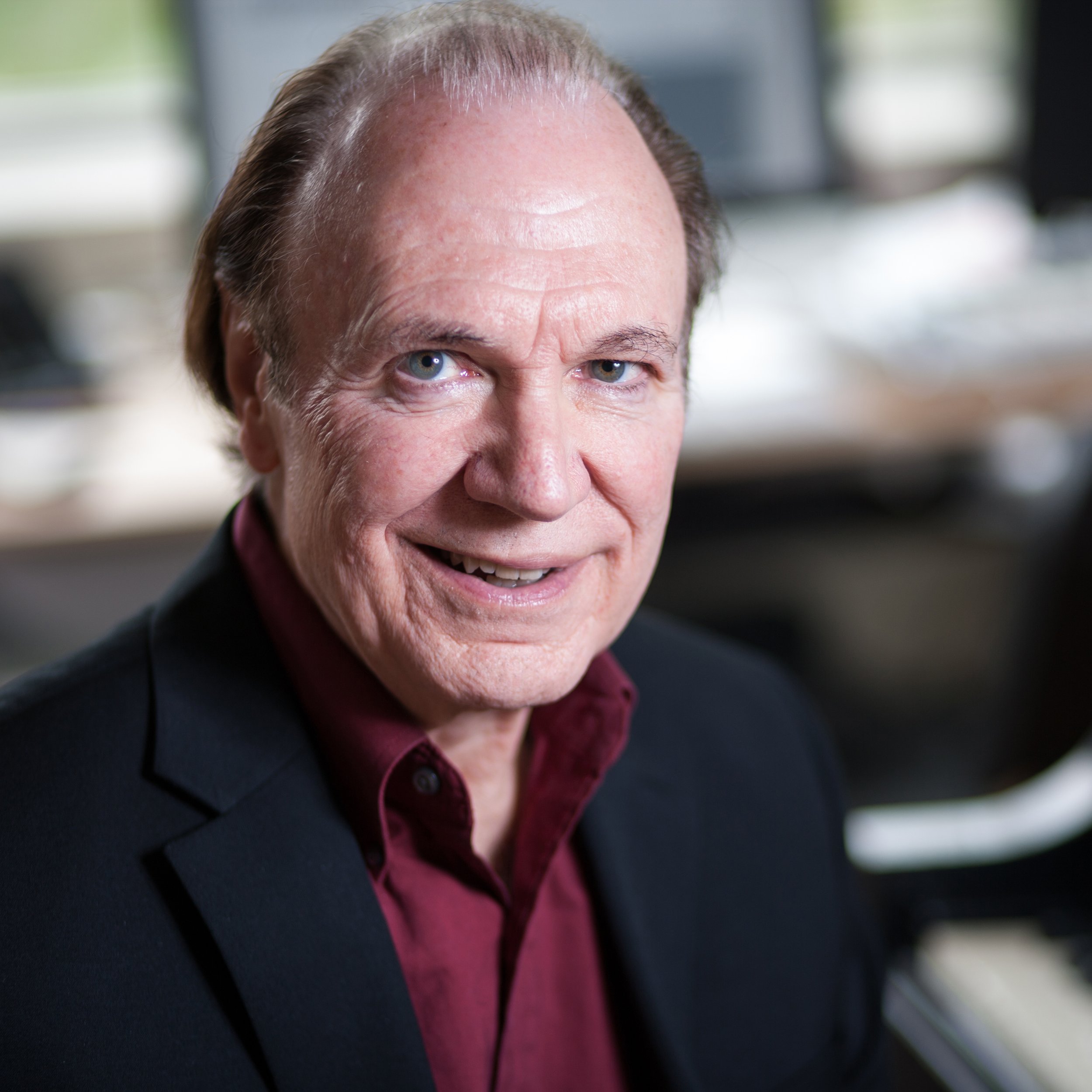
Freund, Don
Don Freund
Professor of Music (Composition)
Jacobs School of Music, Indiana University Bloomington
Biography
Don Freund is an internationally recognized composer with works ranging from solo, chamber, and orchestral music to pieces involving live performances with electronic instruments, music for dance, and large theater works.
He has been described as "a composer thoughtful in approach and imaginative in style" (The Washington Post), whose music is "exciting, amusing, disturbing, beautiful, and always fascinating" (Music and Musicians, London). Many of Freund's works are available on commercial CD.
The recipient of numerous awards and commissions, including two grants from the National Endowment for the Arts and a Guggenheim fellowship, he has served as guest composer at a vast array of universities and music festivals, and presented master classes throughout Europe, Asia, and South America.
Freund is also active as a pianist, conductor, and lecturer. As a festival coordinator, he has programmed over 1,000 new American works. He has been conductor or pianist in the performance of some 200 new pieces, usually in collaboration with the composer.
A professor of composition at the Indiana University Jacobs School of Music since 1992, teaching composition continues to be a major component of Freund's career. His students from 40 years of teaching continue to win an impressive array of awards and recognitions.
Freund's piano concert repertoire extends from new music to complete performances of Bach's WTC Book I and his own pianistic realizations of Machaut. He has performed his EarthdanceConcerto with numerous university wind ensembles.
Up-to-date news on works and performances, and videos, audio files, and PDF scores of over 100 of Freund's compositions can be found online at DonFreund.com.
Publications on the Timbre and Orchestration Resource
All composers deal with instrumentation and orchestration every time they write music. Even when composing for a solo player, it is imperative to know the potentials of the instrument at hand. Though some students of orchestration argue that they have no compositional ability, all orchestrators deal with composition.

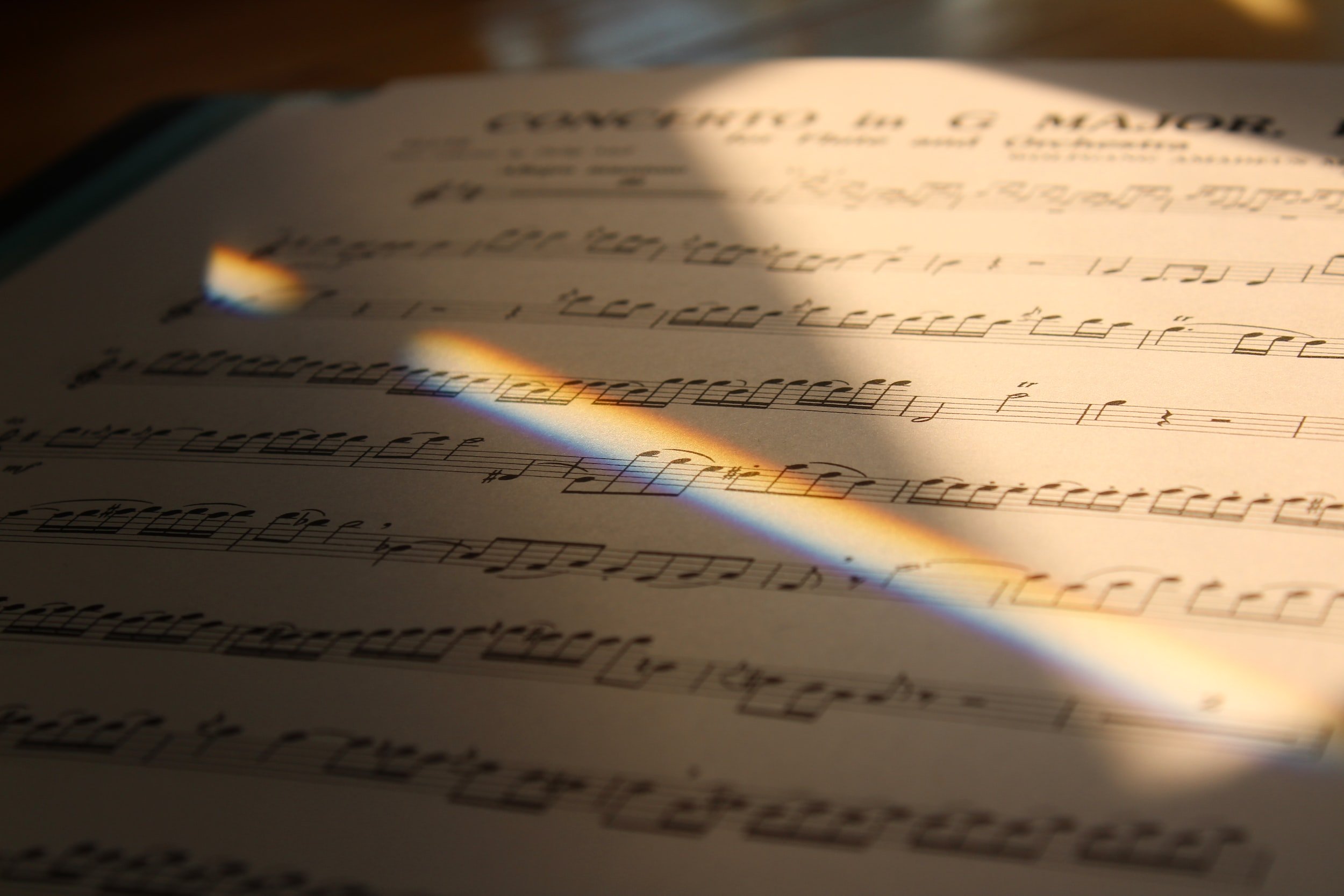
Perhaps it seems odd for a book on orchestration to contain such a hefty chapter on music notation. Certainly learning the rules of notation will not teach the art of instrumentation or orchestration, as notation is a completely separate skill. Yet notation is the single item that orchestrators deliver to performers.
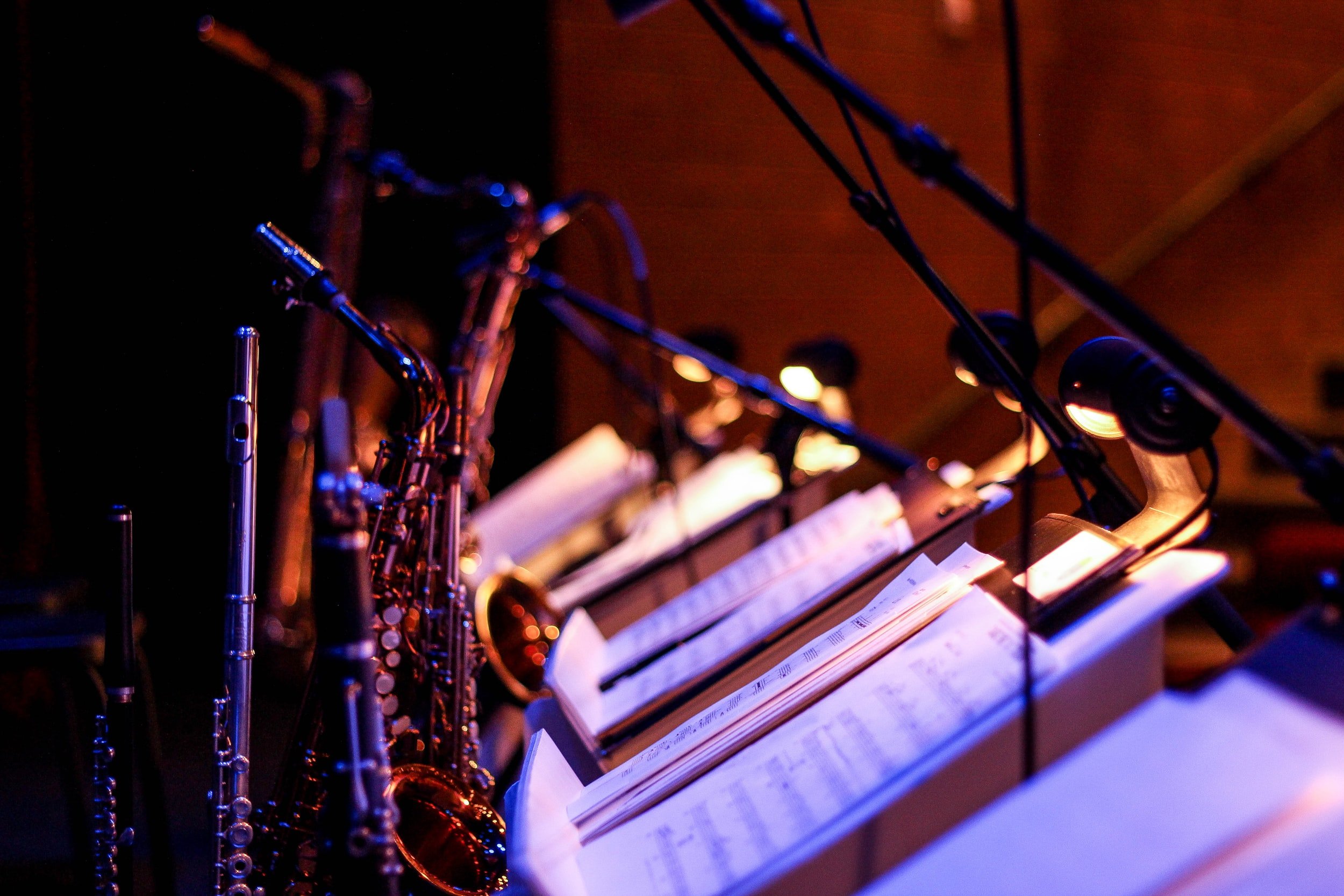
Woodwinds are not usually called upon to evoke the sensuous beauty of strings, the heroic grandeur of brass, or the visceral power and splashy color of percussion. Their role in the orchestra is possibly the most subtle and personal of all the instrumental choirs. Developing an appreciation for the special qualities they contribute and discovering techniques for making the most of the timbral resources they provide may be the most important lessons an orchestrator can learn.

Since the members of the woodwind section have such individually distinct timbres, the choices of chord voicings, doublings and octave placements in this section have a particularly notable impact.

The members of the flute family are the only wind instruments that do not use a reed or buzzing lips to initiate their sound. Air is directed from the lips free of a mouthpiece. The only resistance to the airflow is the player’s embouchure, allowing the tongue and mouth to be uniquely unencumbered.

The oboe’s double reed is the heart of its distinct character. Since no satisfactory way of mass-producing oboe reeds has been perfected, oboists spend a good part of their lives making and adjusting reeds. Intonation is largely a matter of fine-tuning the reed, and the quality of the reed can have a decisive impact on the color of the instrument.
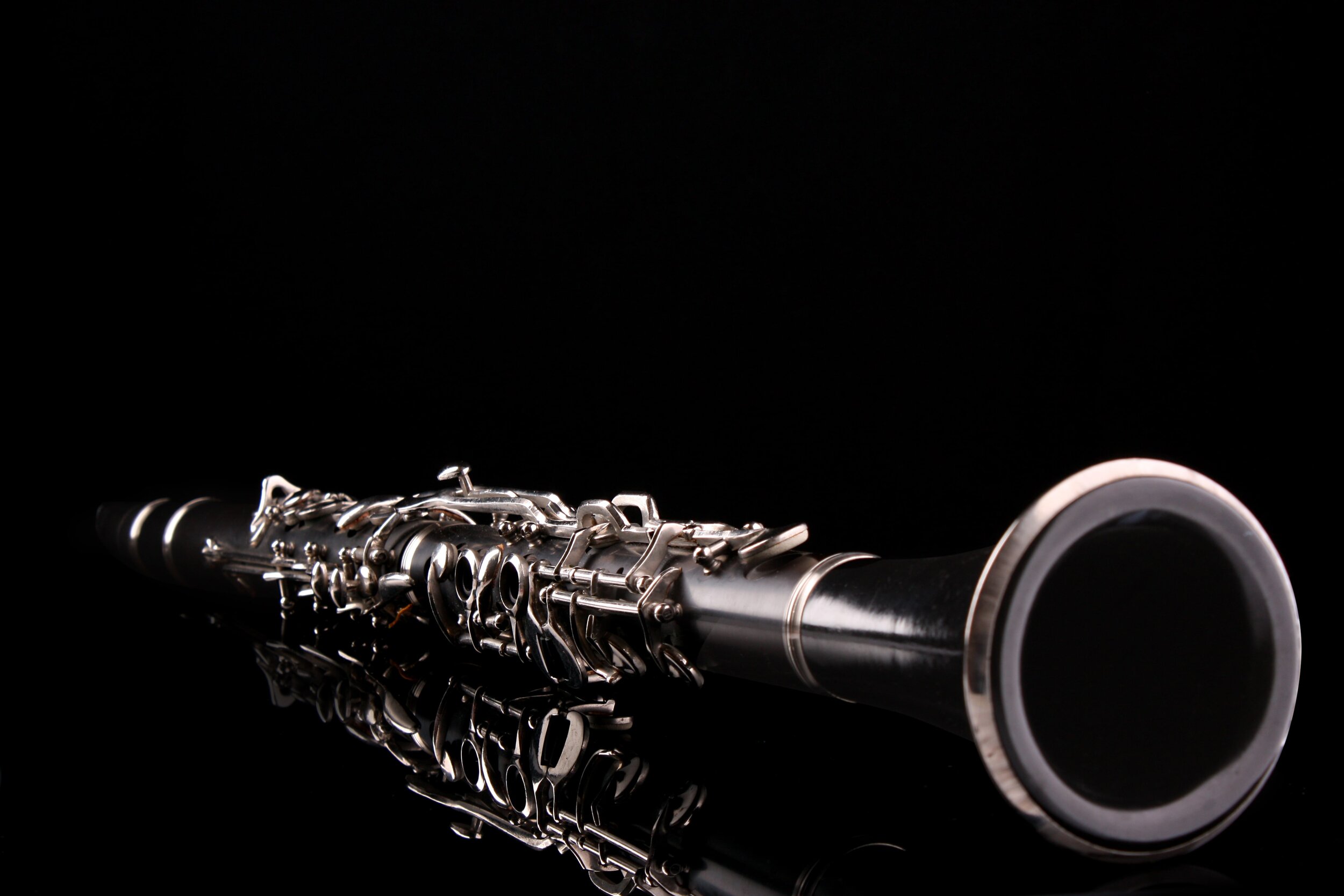
Clarinets are the most prevalent of all woodwinds, despite the fact that they were the last to become standard members of the symphony orchestra, near the end of the Classical Period (saxophones are still waiting). There are many good reasons for this. Its broad range allows it to be a tenor, alto, or even coloratura soprano member of any ensemble.
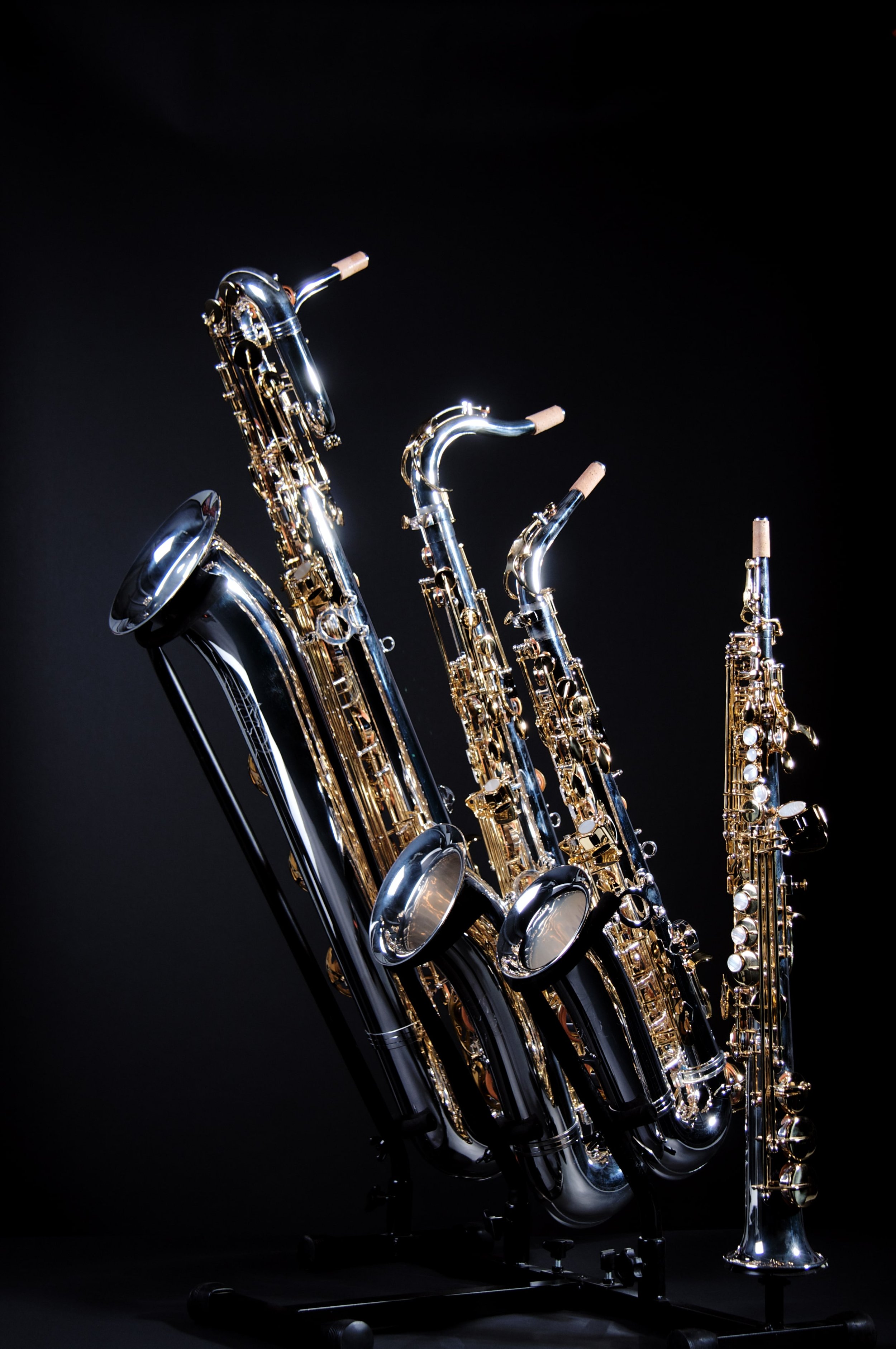
The saxophone and clarinet families have many things in common. They are the only single reed families. Both have a relatively large number of instruments covering virtually the complete range of the orchestra, and these instruments are playable at the elementary level, while possessing the capacity for virtuosic technical agility and extraordinary dynamic breadth.

The bassoon family is limited to the bassoon and contrabassoon. Since these are double reed, conical bore instruments, basic acoustics might suggest that they should be included in the oboe family (or that oboes be included in the bassoon family since bassoons arguably arrived first). The sound quality of bassoons, however, differs significantly enough from the oboes to merit a family of their own.
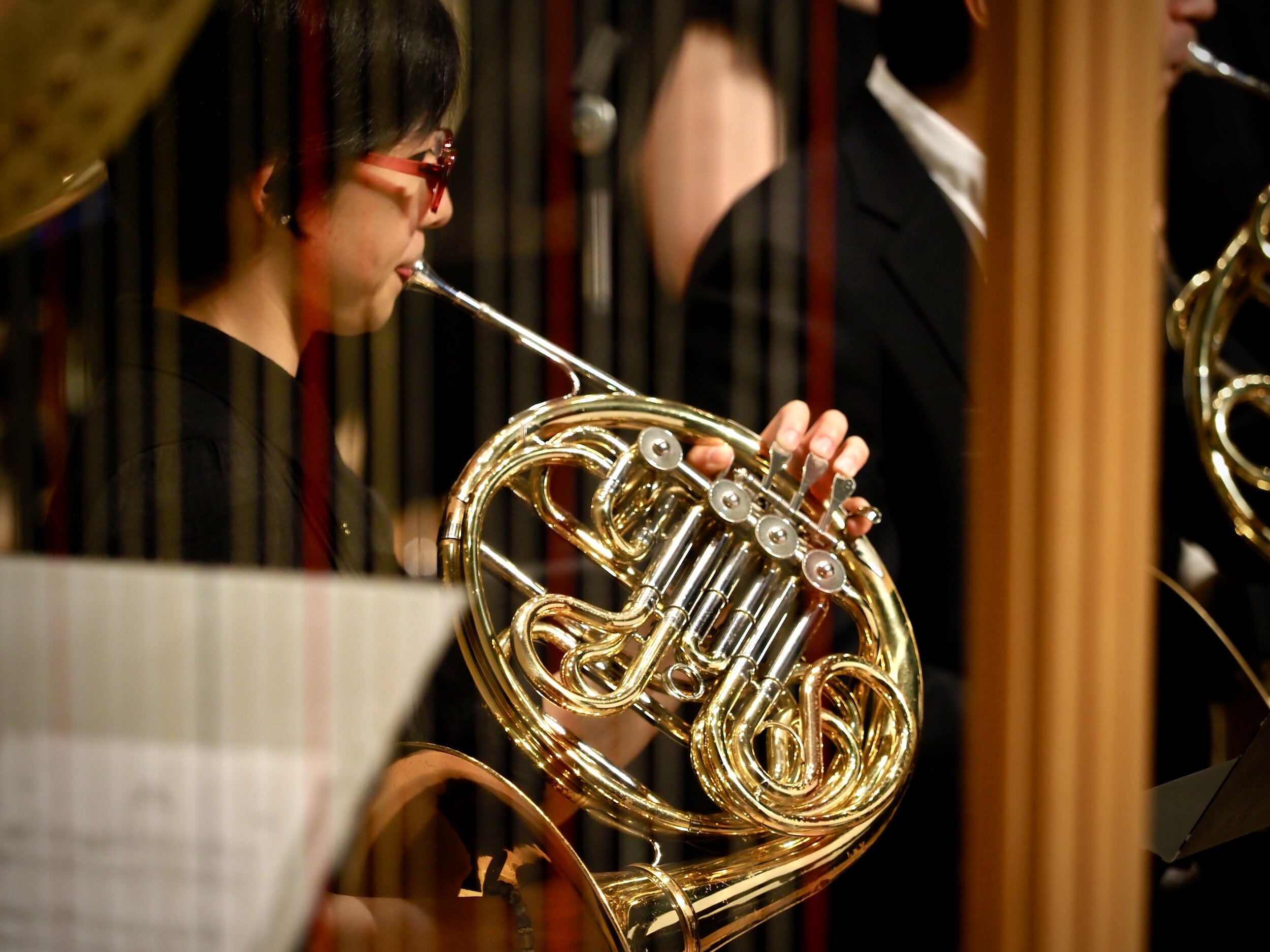
Brass instruments are a far more homogeneous group than woodwinds. All brass instruments produce their sound when lips are vibrated into a mouthpiece. Beyond the mouthpiece, the most important element in the structure of all brass instruments is a flaring bell at the end of the tubing, which not only amplifies the sound but also helps the higher partials to speak clearly and evenly.
In the following excerpt, the brass section forms the core of the climax of Strauss’s Till Eulenspiegel. Here the brass is organized in a variety of configurations, ranging from contrapuntal balancing to homophonic power chords.
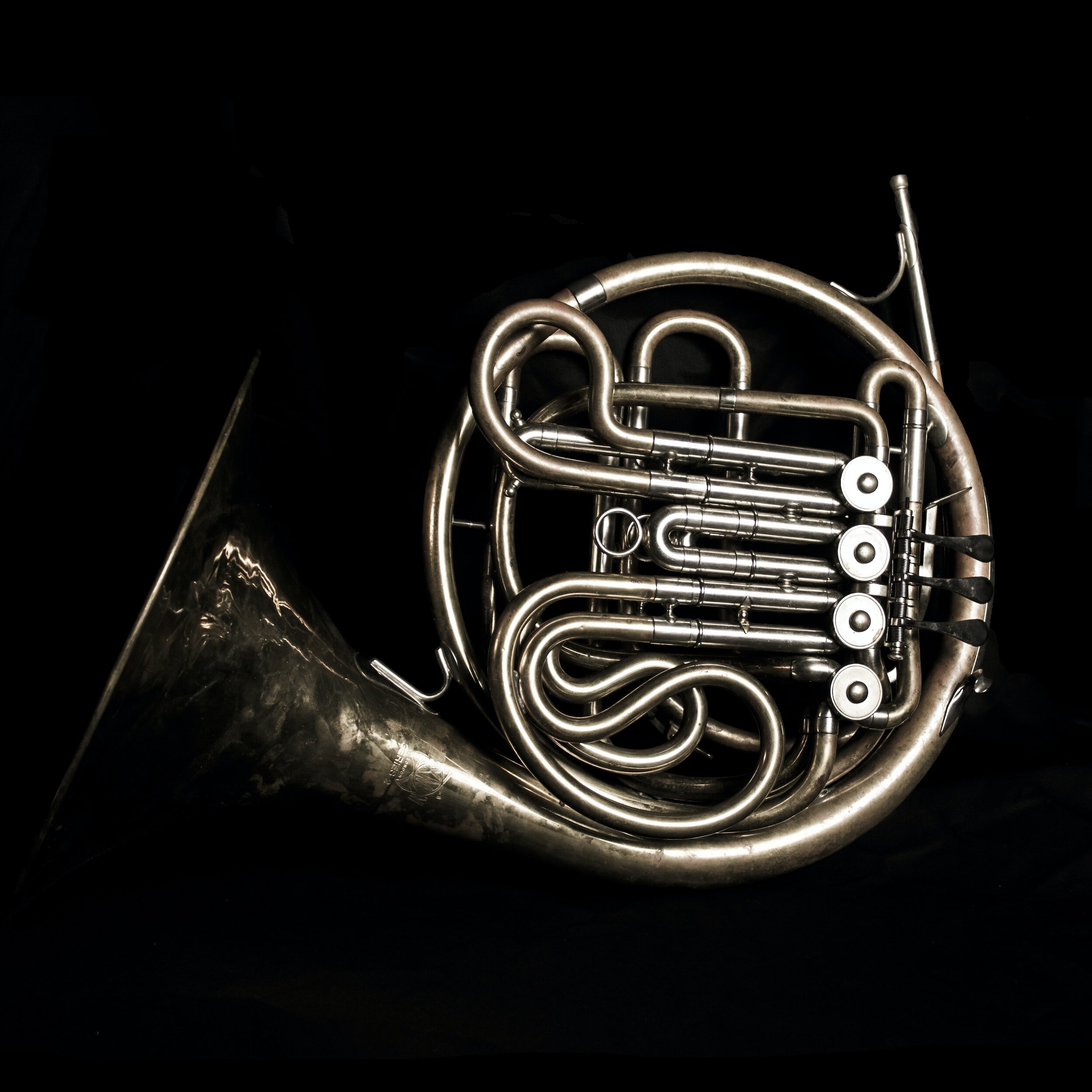
The horn (rarely referred to as the “French horn” these days) is the most extensively used brass instrument in orchestral writing, whether measured by the number of scores which call for it, the number horns usually included in the instrumentation of a score compared to other brass instruments, or by the relative total duration of time that solo or section horns play in a score.
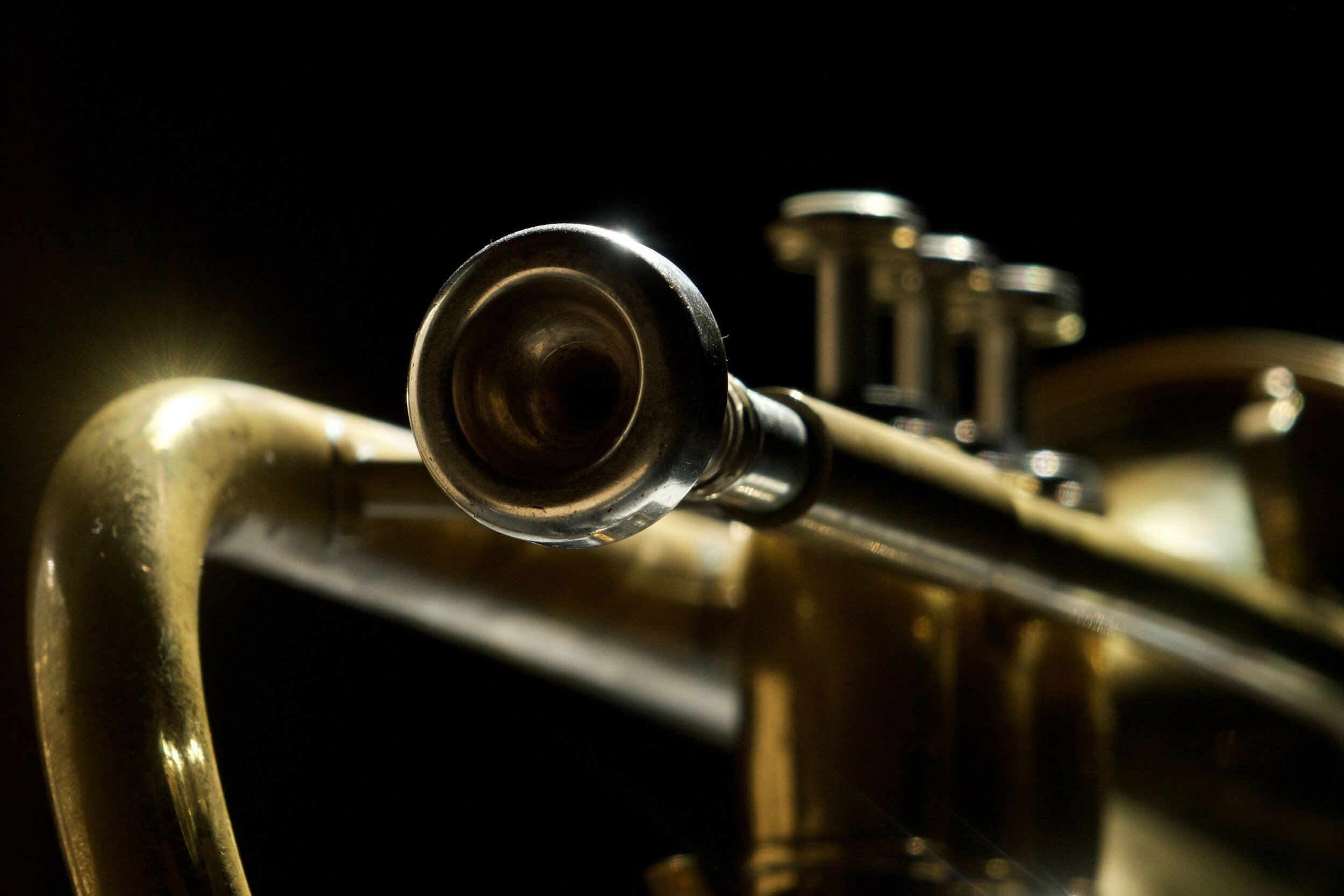
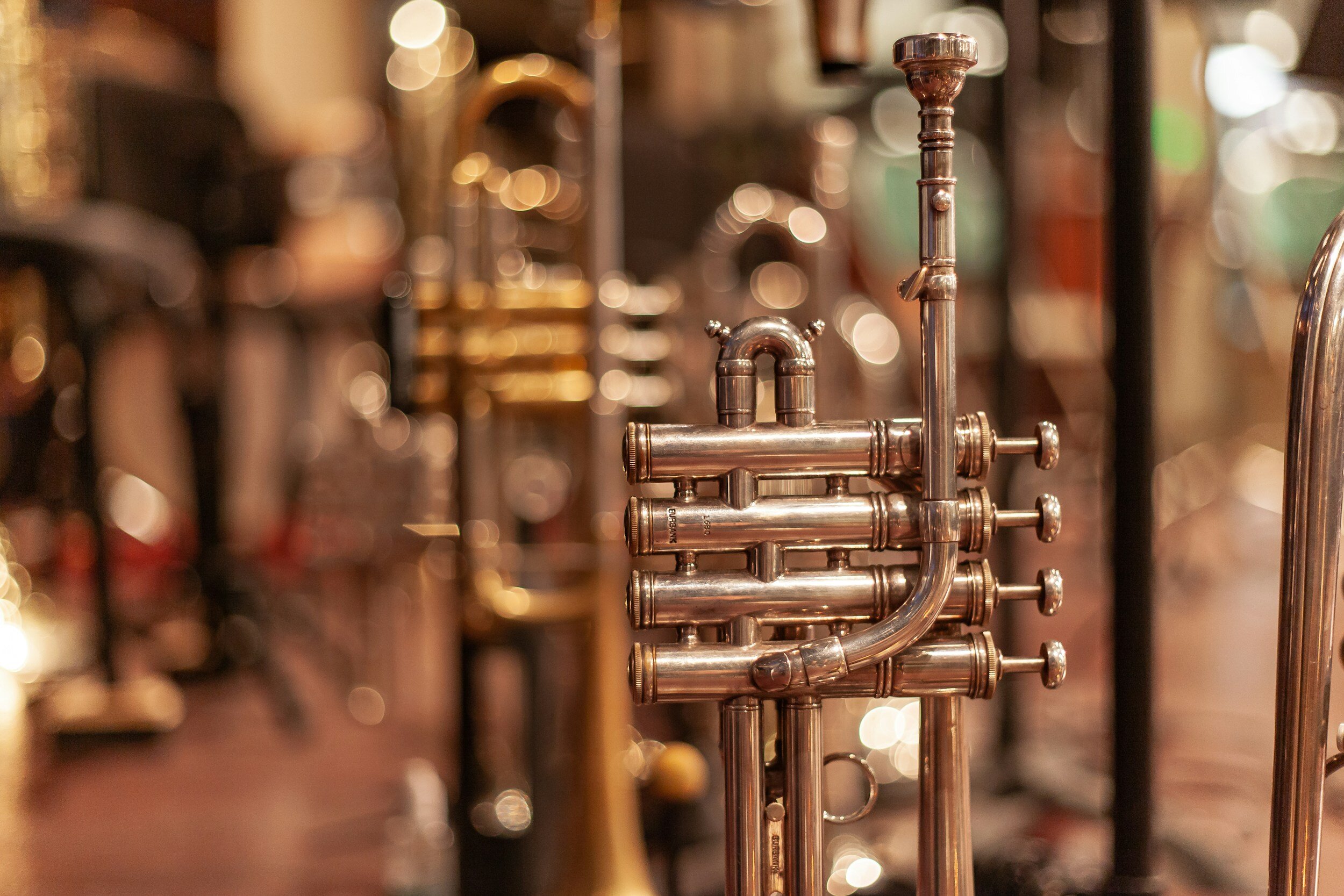
The trumpet is arguably the loudest and most powerful member of the orchestra, if one excludes the organ and certain deafening percussion. A single trumpet in its middle to high register at the ƒ dynamic level can always be heard, no matter how dense and loud the texture surrounding it.
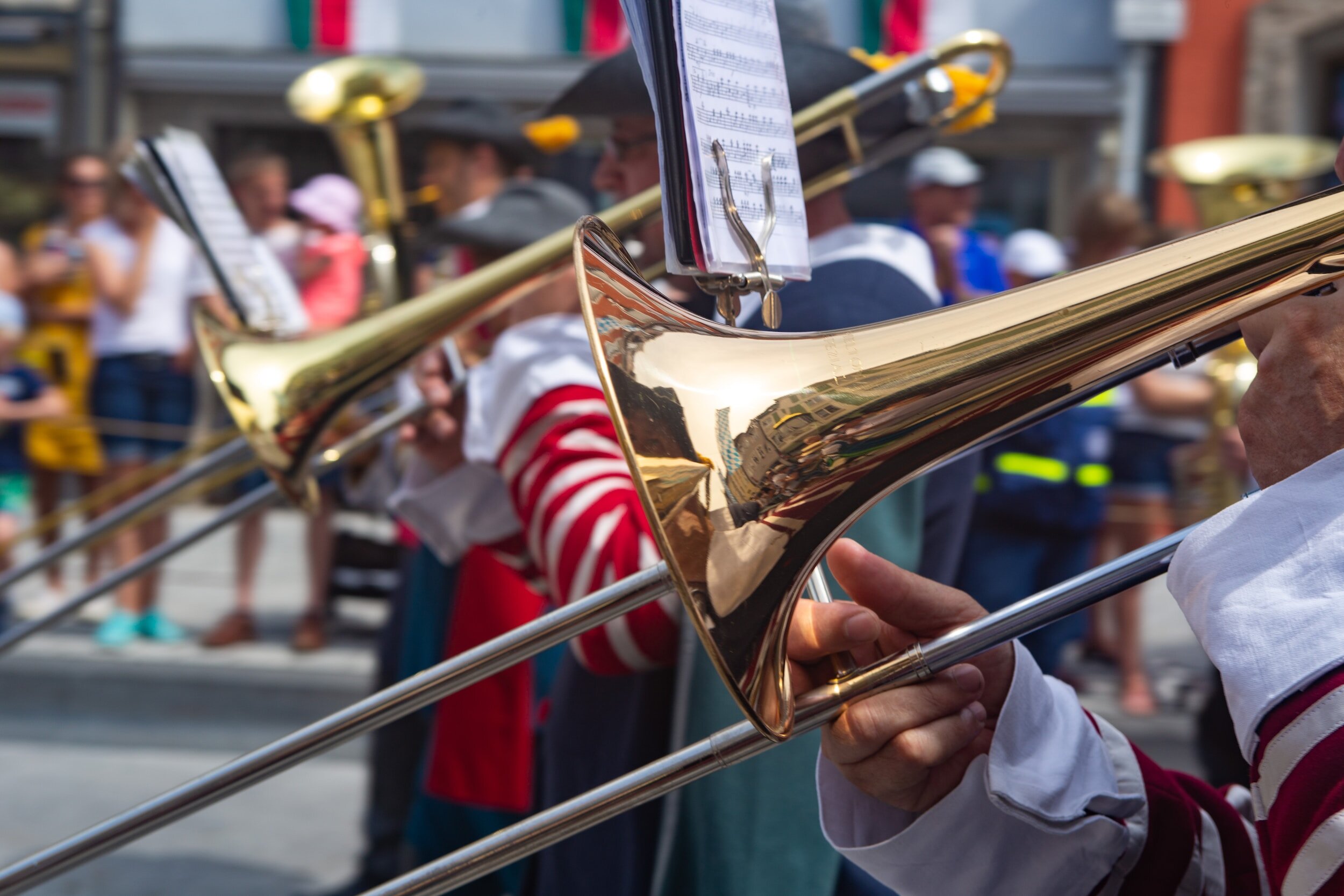
The trombone is so similar in its acoustic structure to the trumpet (predominantly cylindrical) that it may be considered a bass trumpet with a slide replacing the valves.

The tuba functions as the bass of the brass section. Comparable to the way string basses commonly double the cellos an octave lower (like adding an organ “16-foot” stop), the tuba is acoustically designed to provide depth and strength to the bass voice. Its sound is open and relatively diffuse, a “sub-woofer” to the brass and the orchestra as a whole.
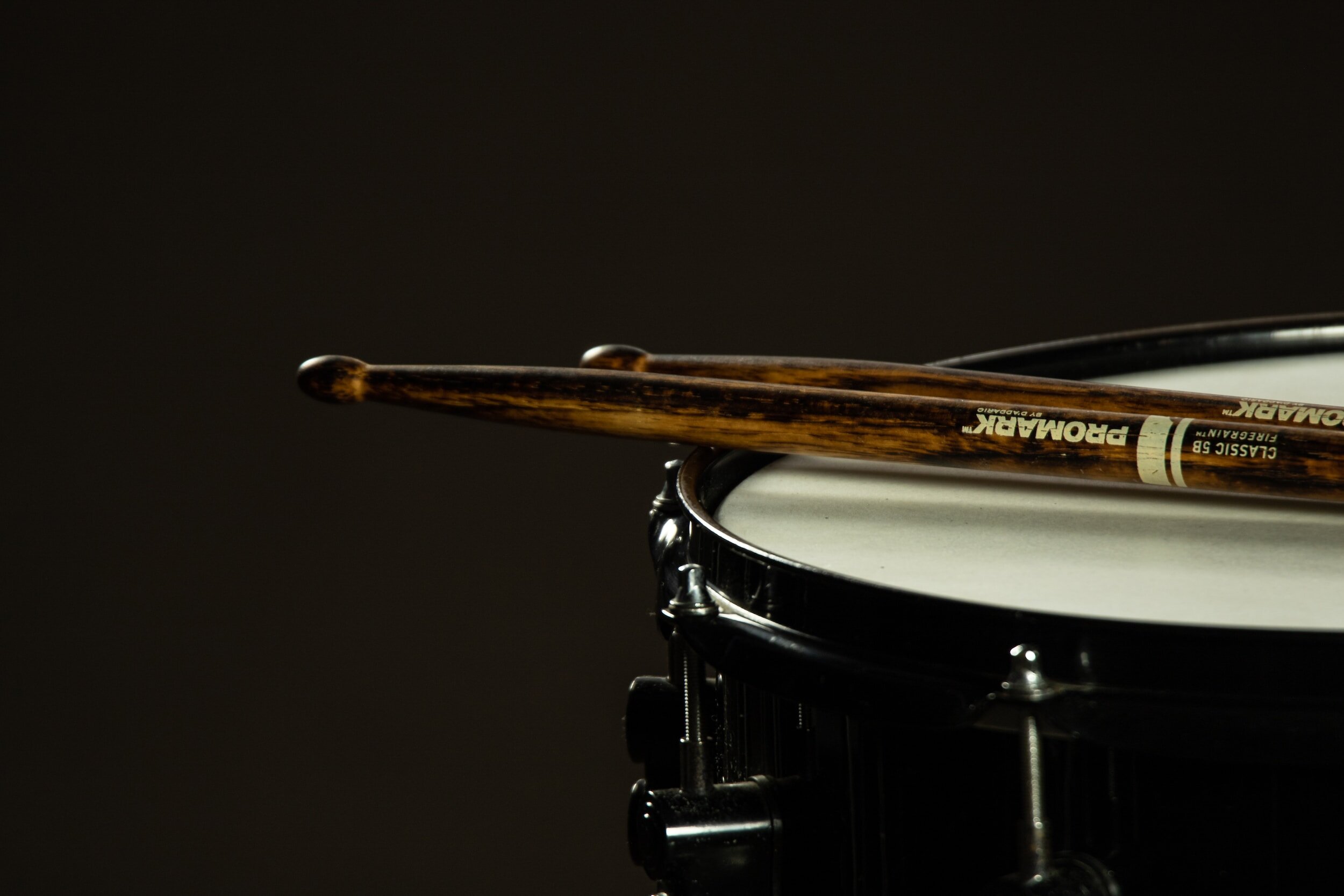
Though percussion instruments can be pitched (such as marimba, xylophone, and timpani1) or non-pitched (such as snare drum, triangle, and cymbals) there is often a fine line between these two categories.

Percussion notation has the same goals as all notation: it should be clear, specific, and easy to follow. Many attempts have been made to standardize percussion notation, yet none have proven definitive. However, following the guidelines set below will allow you to deliver comprehensible, easy to read percussion parts.
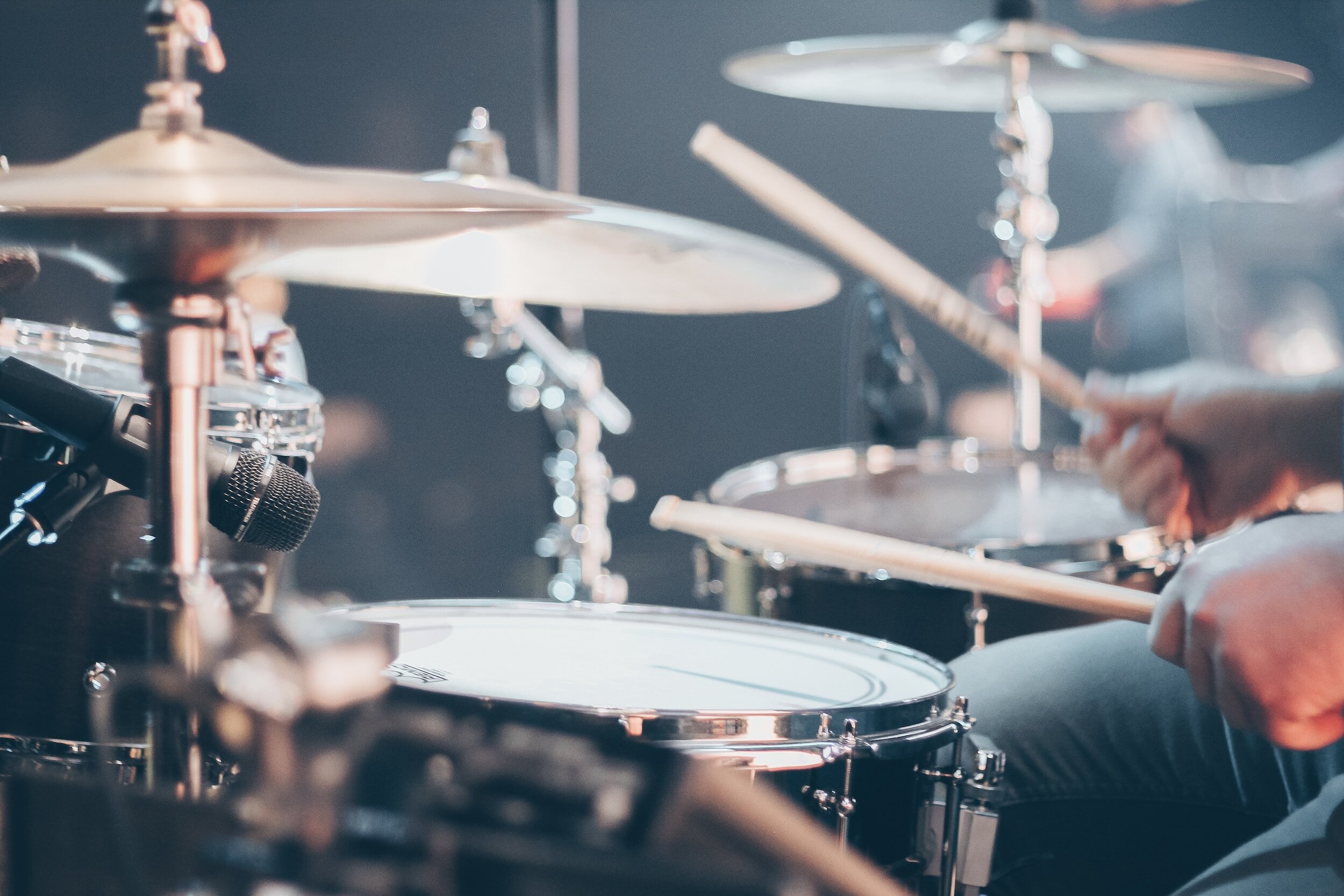
Most drums have a single head, made from a stretched membrane, affixed to a shell. Some have a second head on the opposing side (i.e. bass drum), adding resonance by creating a sound chamber between the heads.
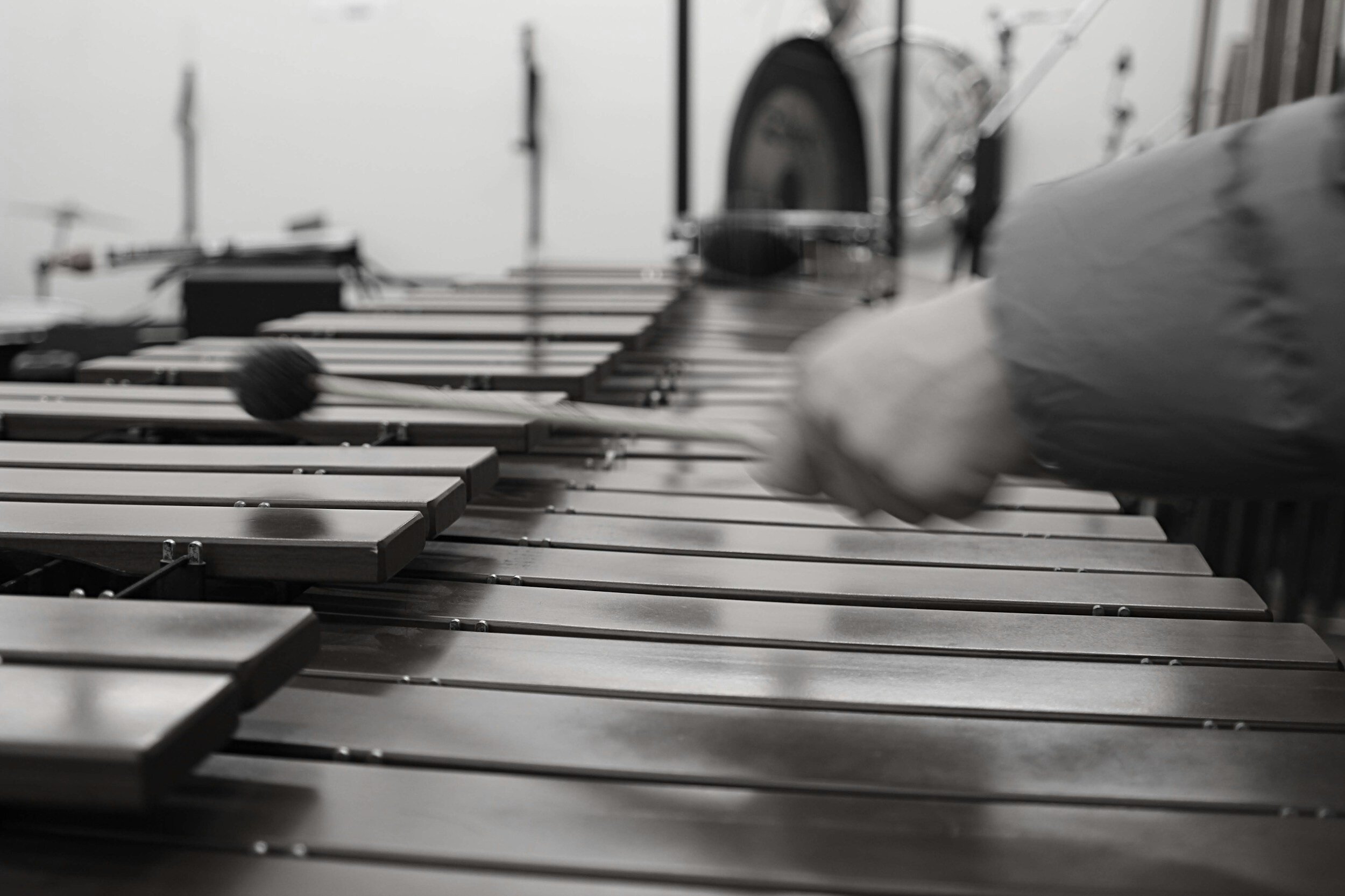
Though the mallet percussion instruments range widely in material (some are wood instruments, while others are metals) and timbre, they share many common characteristics. All of these instruments are pitched and capable of playing chromatically throughout their given range. They are all set up similarly to a piano in that the pitches that correspond to white keys are pushed forward, with the black keys appropriately placed behind them.
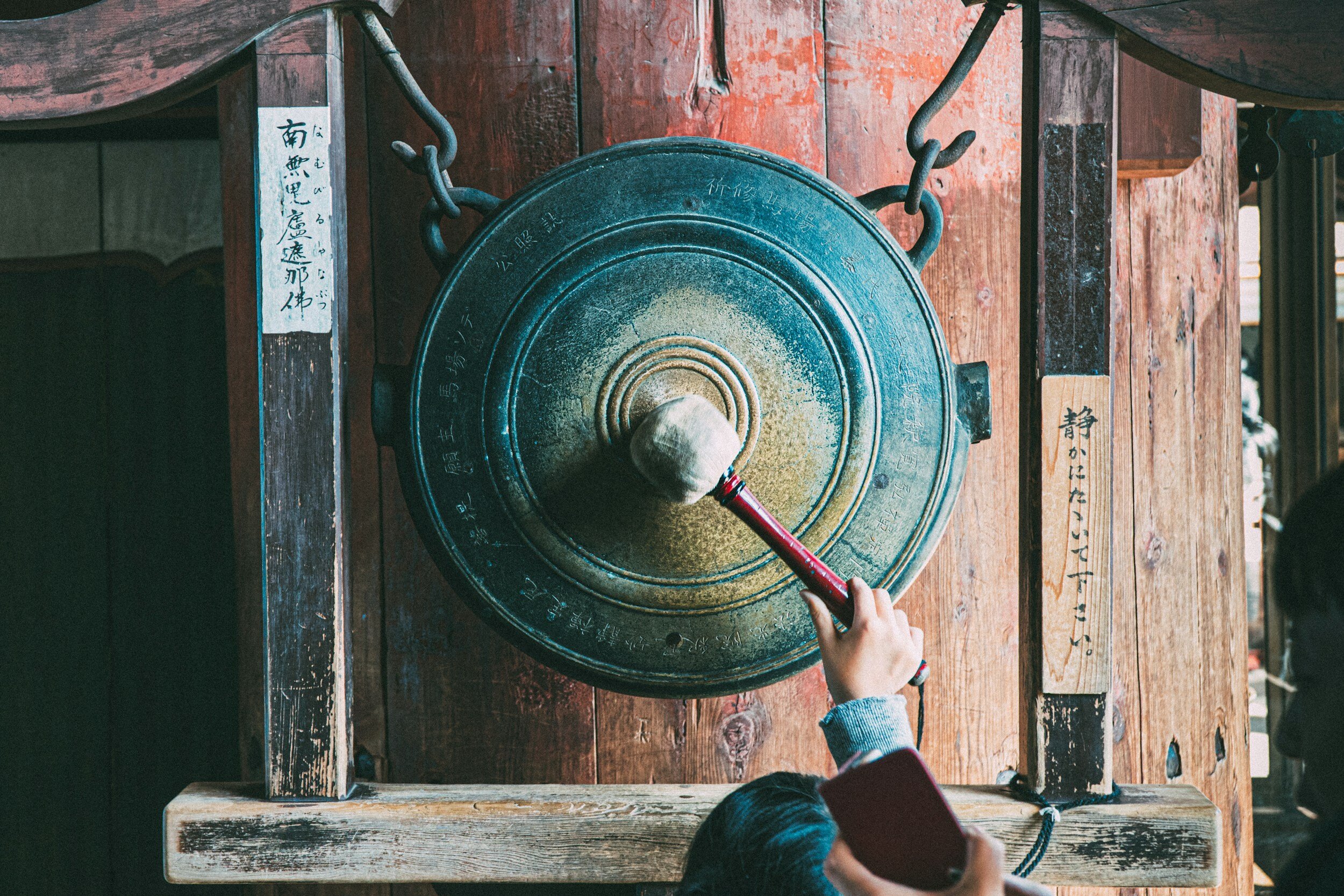
Any kind of item, even those not normally found in the percussion section, may be struck (though you may want to take out some extra insurance on particularly fragile items!). The timbre is determined primarily by its material, shape, density, and the type of mallet used.
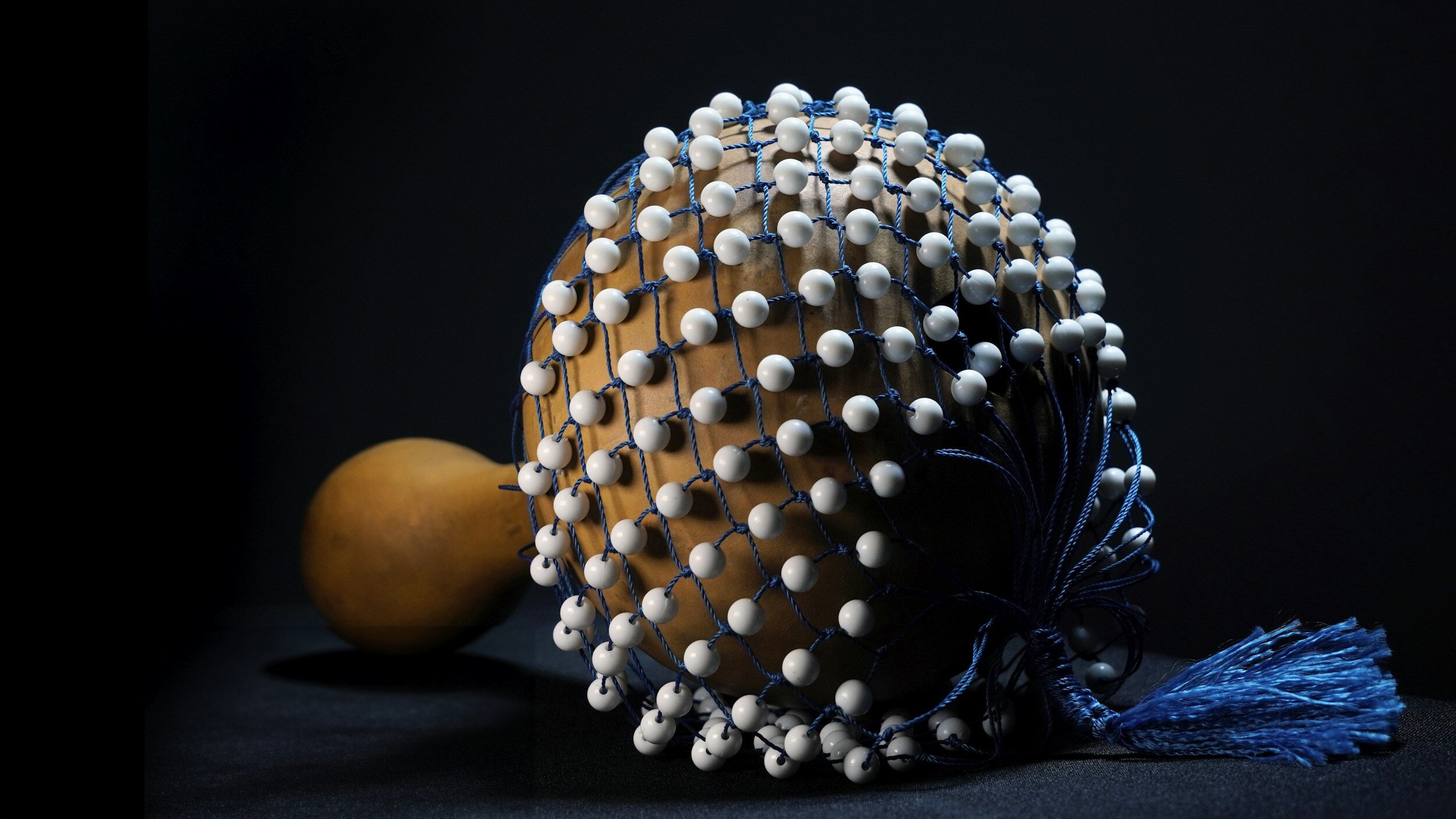
Objects can be shaken, scraped, pulled, cranked, blown, etc. Some of these instruments imitate nature sounds (composers seem to have a particular obsession with the weather) or everyday life, while others are used simply to create rhythms, texture, or noise. With few exceptions, these instruments are non-pitched.
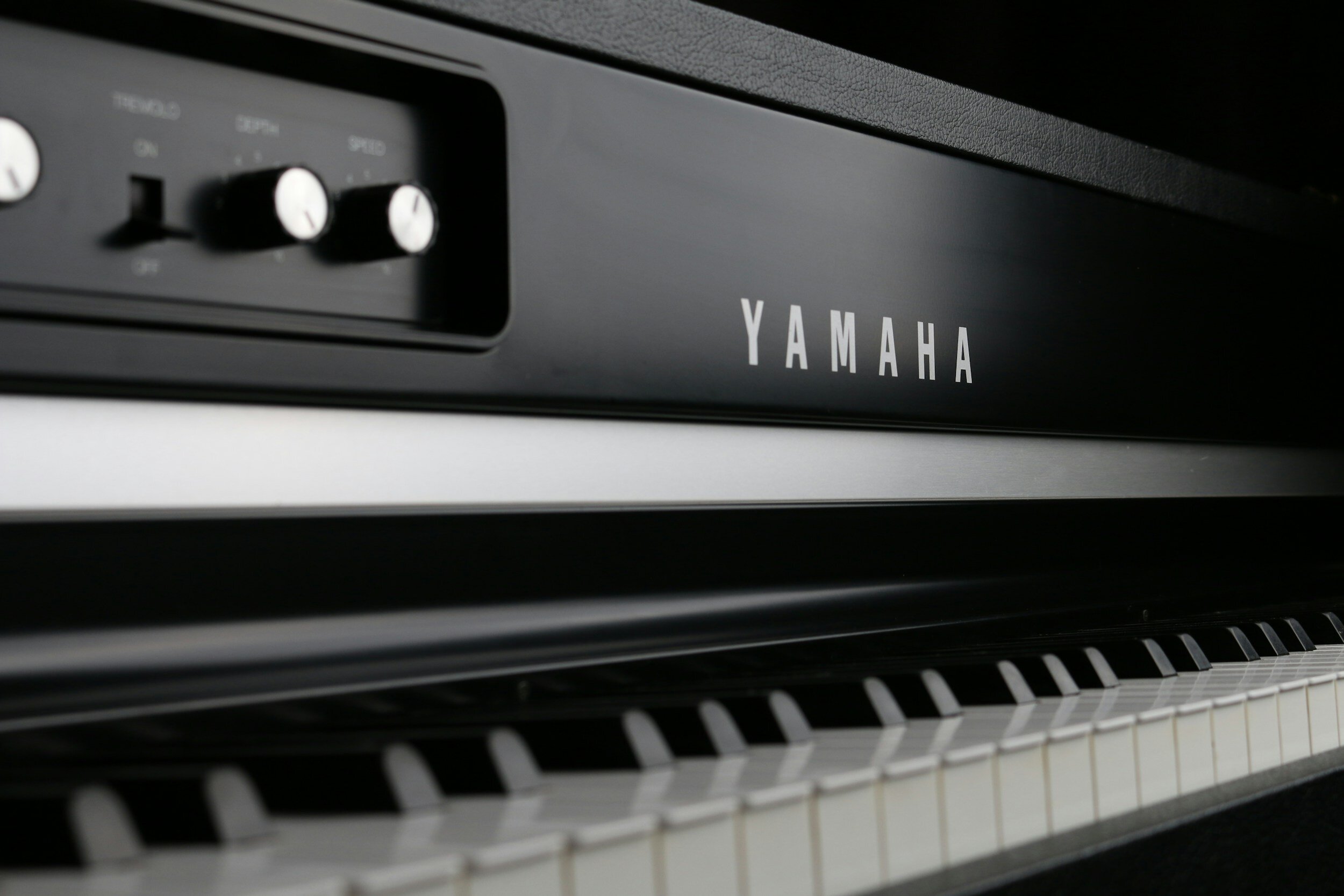
Keyboard instruments are designed to be polyphonic, giving one performer the ability to play as many notes simultaneously as the fingers of two hands (and in some cases two hands and feet) can manage. The piano and organ have the ability to create a complete musical fabric, often suggesting the range, textural richness, and dynamic impact of a large orchestra.
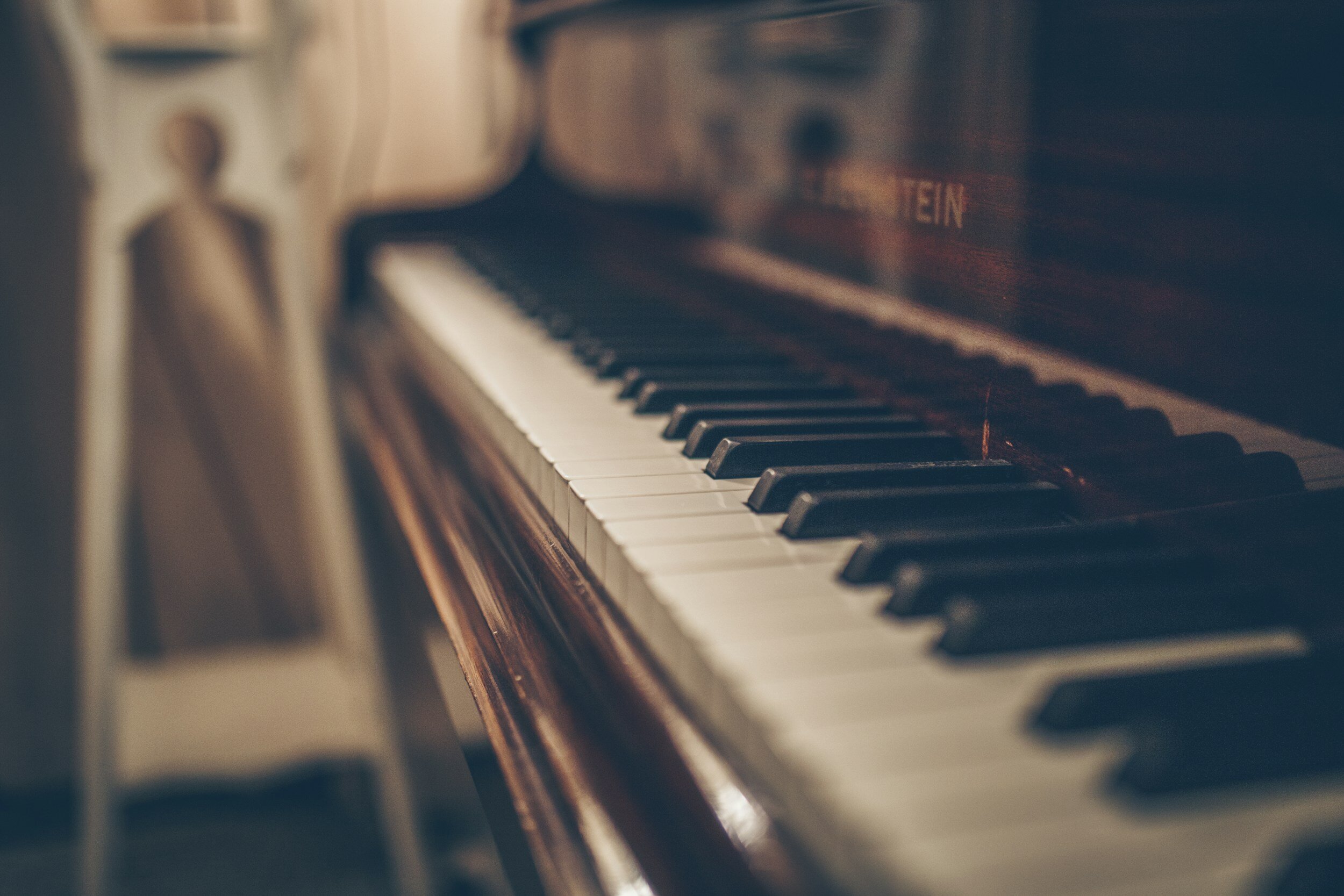
The piano is a percussion mechanism masquerading as a sustaining, lyric instrument. Considering the tremendous amount of music written for it, thoroughly convincing in all manner of styles and characters, this masquerade is conspicuously successful.
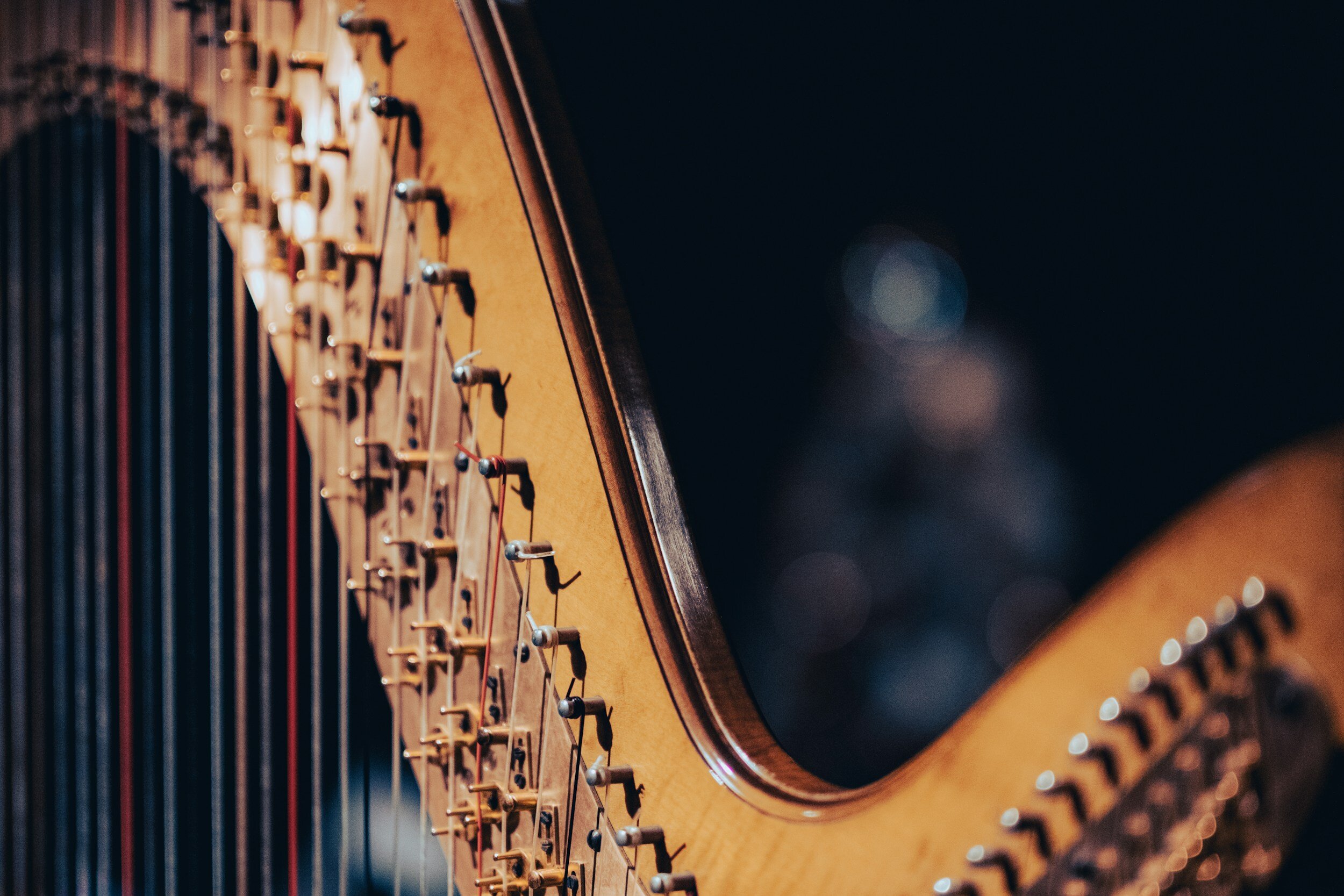
Despite its extreme expressiveness, harmonic potential, wide array of techniques, and the fact that it is the one of the oldest living instruments, the harp seems to strike fear in the hearts of many composers and orchestrators.
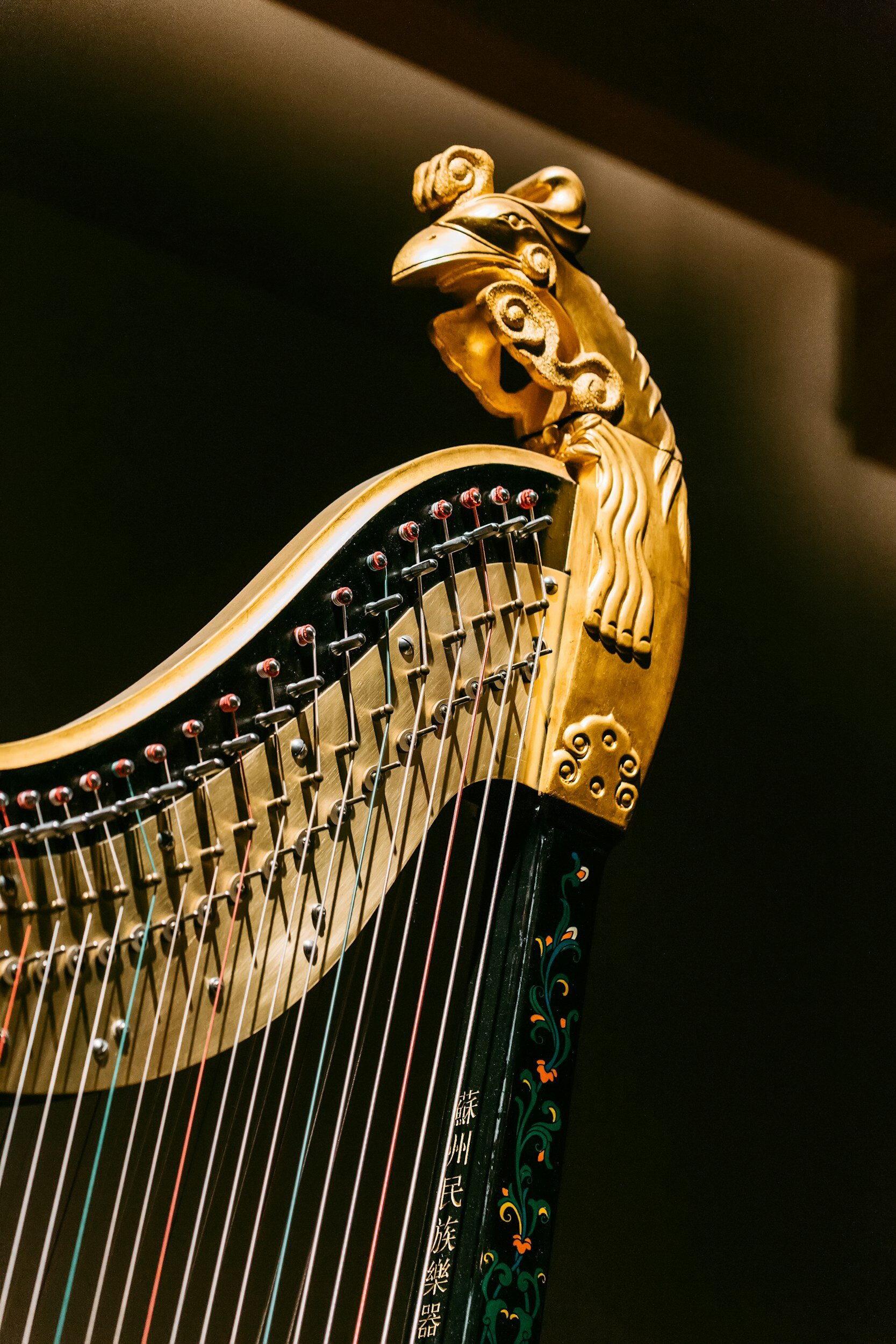
Idiomatic Scoring for the Harp: Music for harp is usually written on a grand staff, similar to piano music. Most of the time, the top staff should be in treble clef, and the bottom staff in bass clef.
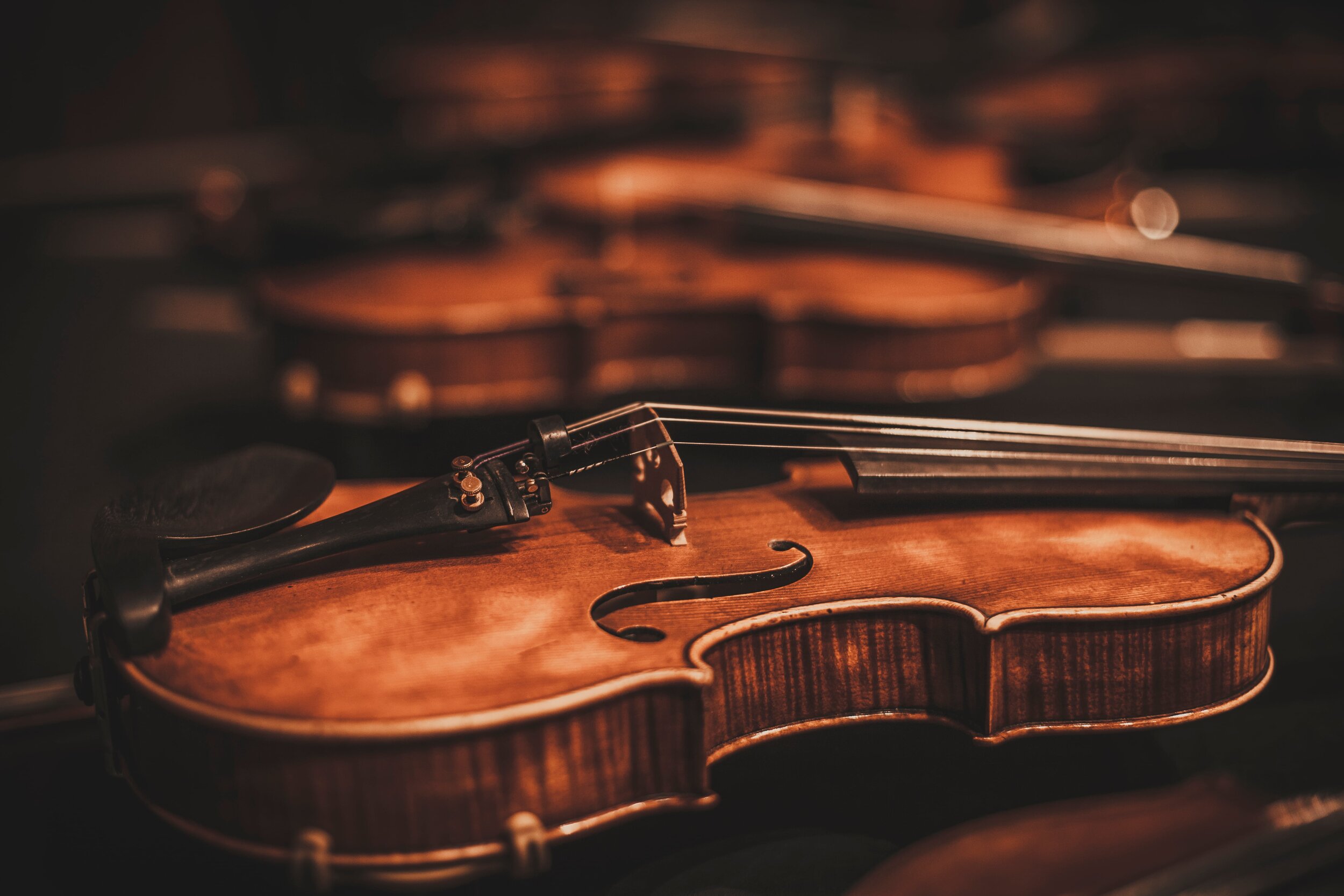
The bowed string family of the modern symphony orchestra consists of only four instruments: violin, viola, cello, and bass. More music has been written to feature these instruments than any other family of the orchestra (woodwinds, brass, or percussion). A full string section forms the backbone of most orchestral literature.
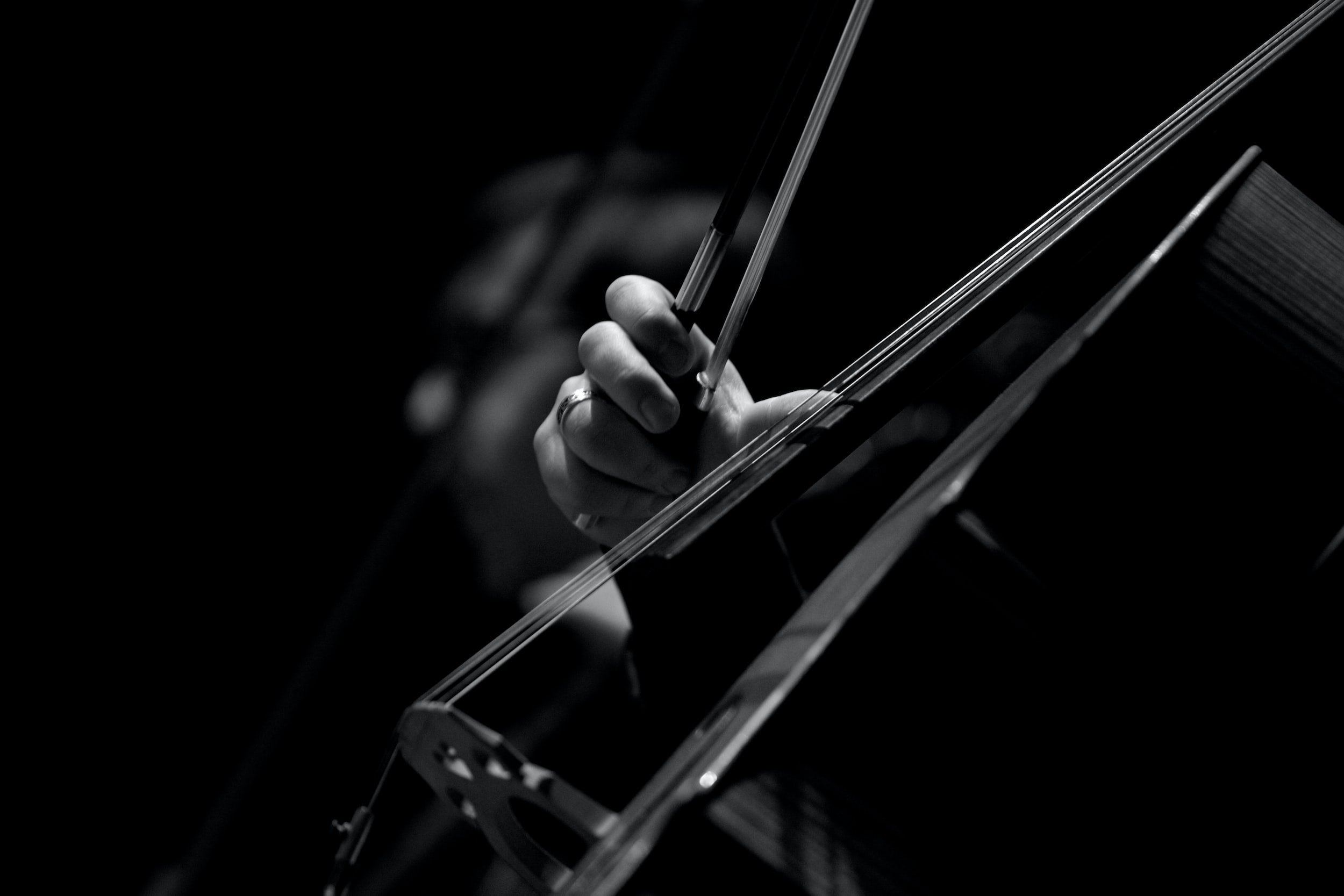
On string instruments, it is possible to change the pitch of a string by stopping the string with the left hand. In other words, the left hand applies pressure to a string against the fingerboard, in essence shortening its length. Shorter strings produce higher pitches, so as notes are stopped higher on the fingerboard, the pitch rises.

The most common way to produce a sound on orchestral string instruments is by drawing a bow across one or more of its strings. This technique is called arco. Because playing with a bow is the default method of playing these instruments, it is not necessary to write the term arco on the score unless canceling out an alternative way of playing, such as plucking or striking the strings.
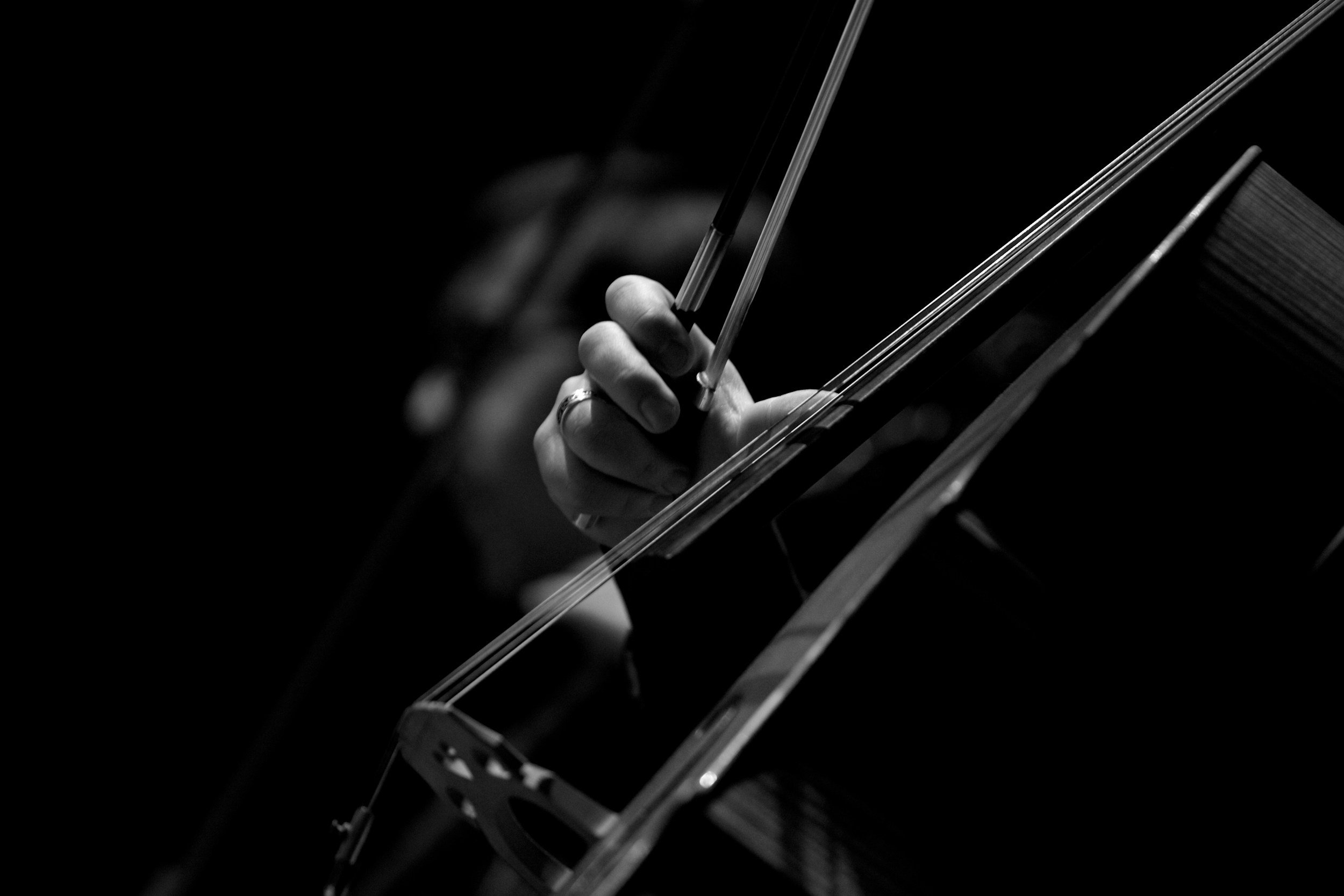
It is possible to achieve a greater variety of timbres with the bowed strings than with any other orchestral instrument. Through the use of harmonics, mutes, varied bow placement, plucking or striking the strings, and other extended techniques, a large selection of sound possibilities becomes available.
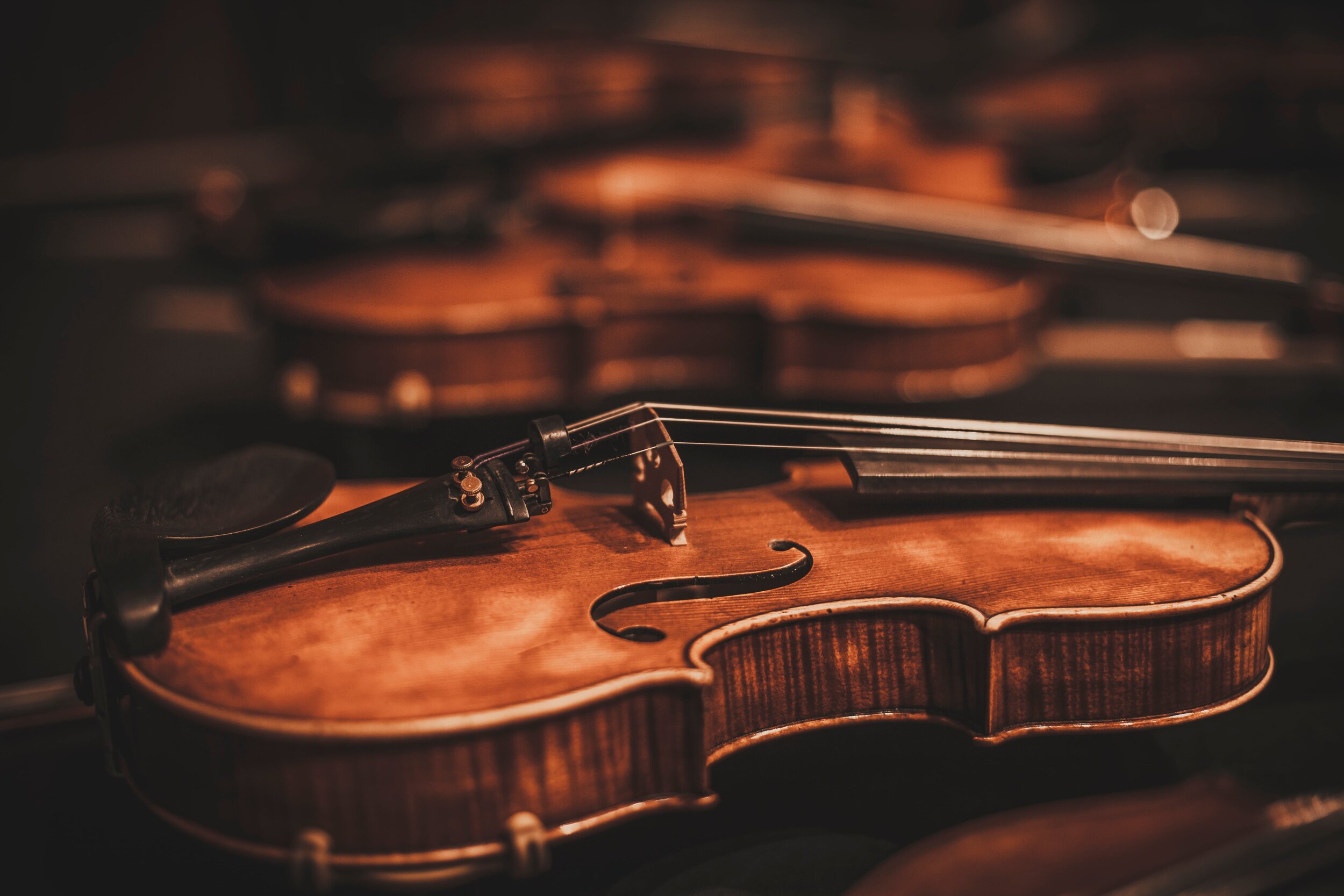
The violin generally takes the soprano role of the strings, though it is possible to score violin below viola, or even upper register cello.