
Timbre Lingo
Timbre Lingo is an essay series that explores various terms and concepts related to timbre and orchestration. Written by members and invited authors of the Analysis, Creation, and Teaching of Orchestration (ACTOR) project, these short essays are designed to introduce complex ideas in an accessible manner, making them perfect for undergraduate students or anyone eager to learn the fundamentals of timbre and orchestration.
The series covers a wide range of topics, from basic concepts like the difference between a signal and a spectrum to more advanced subjects such as instrumental synthesis and timbre space. Many of the essays feature visual aids, including spectrograms and other illustrations, to help clarify the concepts being discussed.
Whether you're a music student, an educator, or simply someone with a passion for understanding the intricacies of sound and orchestration, Timbre Lingo provides a valuable and engaging learning resource. Dive in and explore the fascinating world of timbre and orchestration with this compelling essay series.

A compositional technique where a musical line or melody is split between several instruments, rather than being played by a single instrument. Each instrument plays a note or a short succession of notes, creating a continuous melody with a constantly changing timbre or "tone colour.”
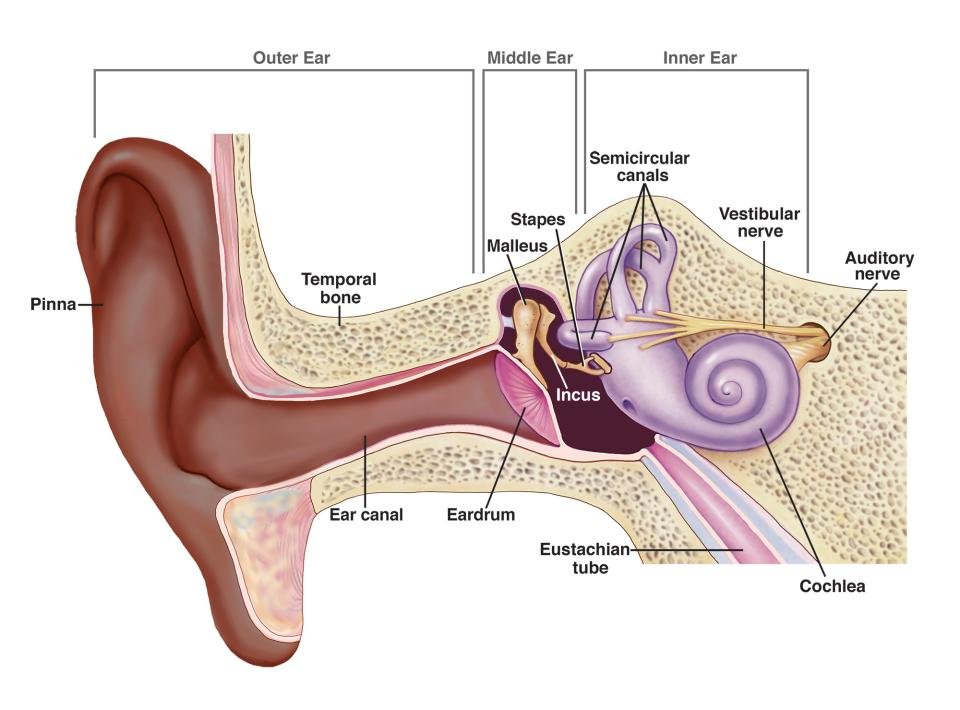
Suppose you enter a restaurant with a friend, mid-conversation. As you enter, you are greeted by the background noise of other patrons’ conversations. You and your friend begin to speak louder so you can hear one another. You’ve just experienced masking, a very familiar yet fascinating phenomenon that many of us encounter every day without even noticing.

In the process of analyzing the spectrum of a sound, it is sometimes useful to describe its spectral properties in terms of energy distribution rather than individually mapping all its components. In so doing, we invoke the concept of spectral envelope, a curve that can be obtained by successively connecting the peaks of the partials shown in the frequency representation of the sound (i.e., with frequency on the x-axis and energy or amplitude on the y-axis). Spectral envelopes are important factors in timbre perception. They reflect the acoustic properties of an object that produces sound in terms of the energy distribution across the frequency spectrum.

Just as a frequency spectrum makes it possible to analyze the partials and noise components that make up a sound, a spectrogram can be used to visualize the evolution of these components of a sound over time. The first modern device able to produce such a representation of sound was the “sound spectrograph,” developed at Bell Telephone Laboratories in the 1940s [1]. A spectrogram has a very intuitive way of displaying its parameters. Just as in a musical score, time is represented on the x-axis, frequency on the y-axis, and energy/amplitude is determined by the intensity/hue of the colors.
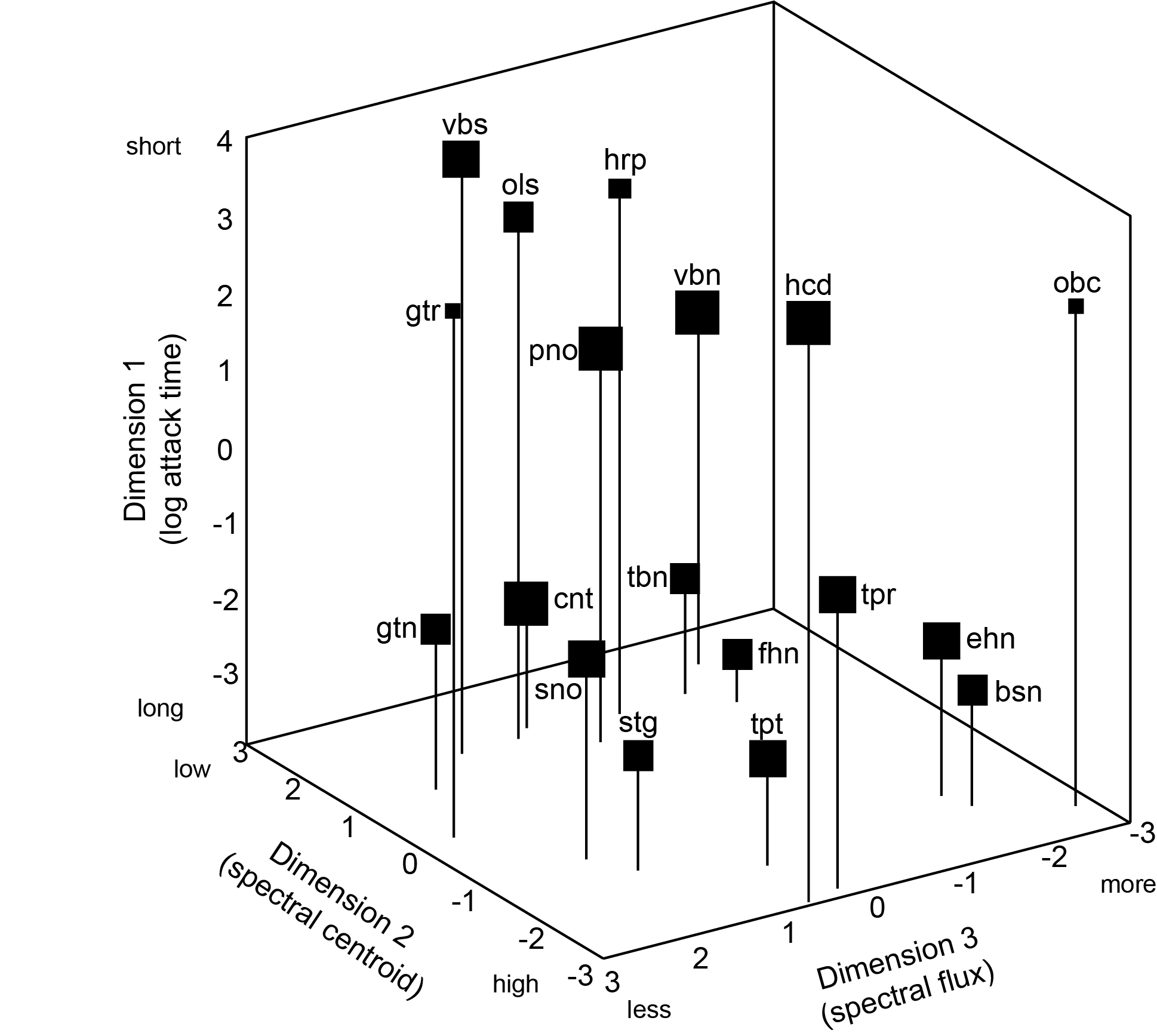
A sound’s timbre can be represented by a point inside a conceptual timbre space, a space where the axes are usually defined by the principal attributes (e.g., spectral centroid, attack time) that one would implicitly use to perceive or conceive any timbre in a given context. Timbre spaces are obtained using a statistical method called multidimensional scaling analysis (MDS), which generates a simplified multidimensional map from a series of perceptual distances between pairs of timbres (as measured in perceptual experiments). The experimenter then deduces the attributes (acoustic descriptors) that best describe the axes obtained. Timbre spaces provide us with complementary information to the neuro-cognitive mechanisms of timbre perception, and can also be a very useful compositional tool.
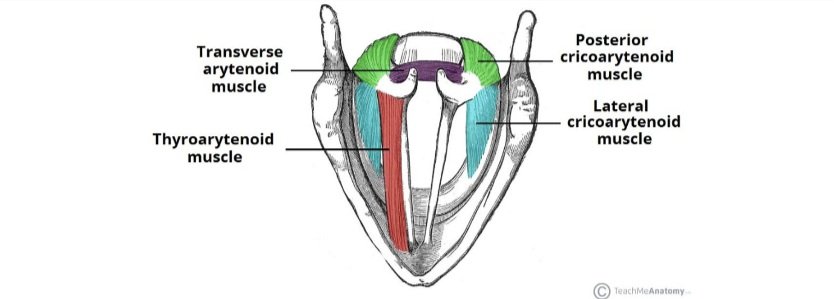
Passaggio, an Italian word translating to passage or transition, is the bane of many a classical singer and the secret weapon of folk-inspired vocalists like Dolores O’Riordan, Jewel, and Sarah McLachlan. In English we often refer to this as “the break.” One of the main goals of classical vocal technique is smoothing out register breaks. This requires finesse, patience, and perseverance. It is a process that cannot be rushed because singing in the passaggio for extended periods of time can mentally and physically tax even experienced singers, causing serious vocal fatigue.

Sound is vibration! Repeated, continuous vibration of the air creates sustained sounds. Within sustained sounds, vibration modulations are a natural component of both vocal and instrumental music. Patterns of vibration modulations are perceived by the human ear, and we call them vibrato. Vibrato is commonly accepted to be a distinctive feature of musical sound, inextricably tied to artistic expression and timbre.

Instrumental synthesis is a technique for composition and orchestration first developed in the 1970s. It is a founding principle of French spectral music, represented at that time mainly by the composers Tristan Murail, Hugues Dufourt, and Gérard Grisey. This type of compositional process could not have existed without the technological progress in musical acoustics made in the previous decades…
La synthèse instrumentale est une technique d’écriture et d’orchestration développée principalement dans les années 1970-1980. C’est le principe fondateur du courant de la musique spectrale, né en France et principalement représenté par les compositeurs Tristan Murail, Hugues Dufourt et Gérard Grisey à cette époque. Ce procédé compositionnel n’aurait pas pu exister sans les progrès technologiques en acoustique des dernières décennies.

“Brightness” is one of the most common terms used to describe sounds, drawing on strong cross-modal associations. Most people can call to mind examples of “bright” sounds: what do these sounds have in common?
Most sounds are made up of multiple different sound components, including partials and noise components. The relations between sound components have a big impact on how the overall sound is perceived:

Have you ever wondered how opera singers sing so loudly? In the voice studio, operatic singing is not actually thought of as loud but rather as possessing resonance (in singers’ terms, not acousticians’ terms), focus (sometimes visualized as a laser point), cut (a non-technical term meaning the voice can cut through the texture of an orchestra), or squillo (an Italian word for the buzzy quality in an operatic voice). A classically trained voice can be heard despite being accompanied by strings, percussion, woodwinds, and, in the case of Wagner’s Die Walküre, twenty-two brass instruments.

Inharmonicity is a feature of timbre that is related to the frequency spectrum of a given sound. It is measured through an analysis of the partials (see https://www.actorproject.org/timbreducation/timbre-term-of-the-week-1), or, more precisely, of their frequencies and the intervals between them….
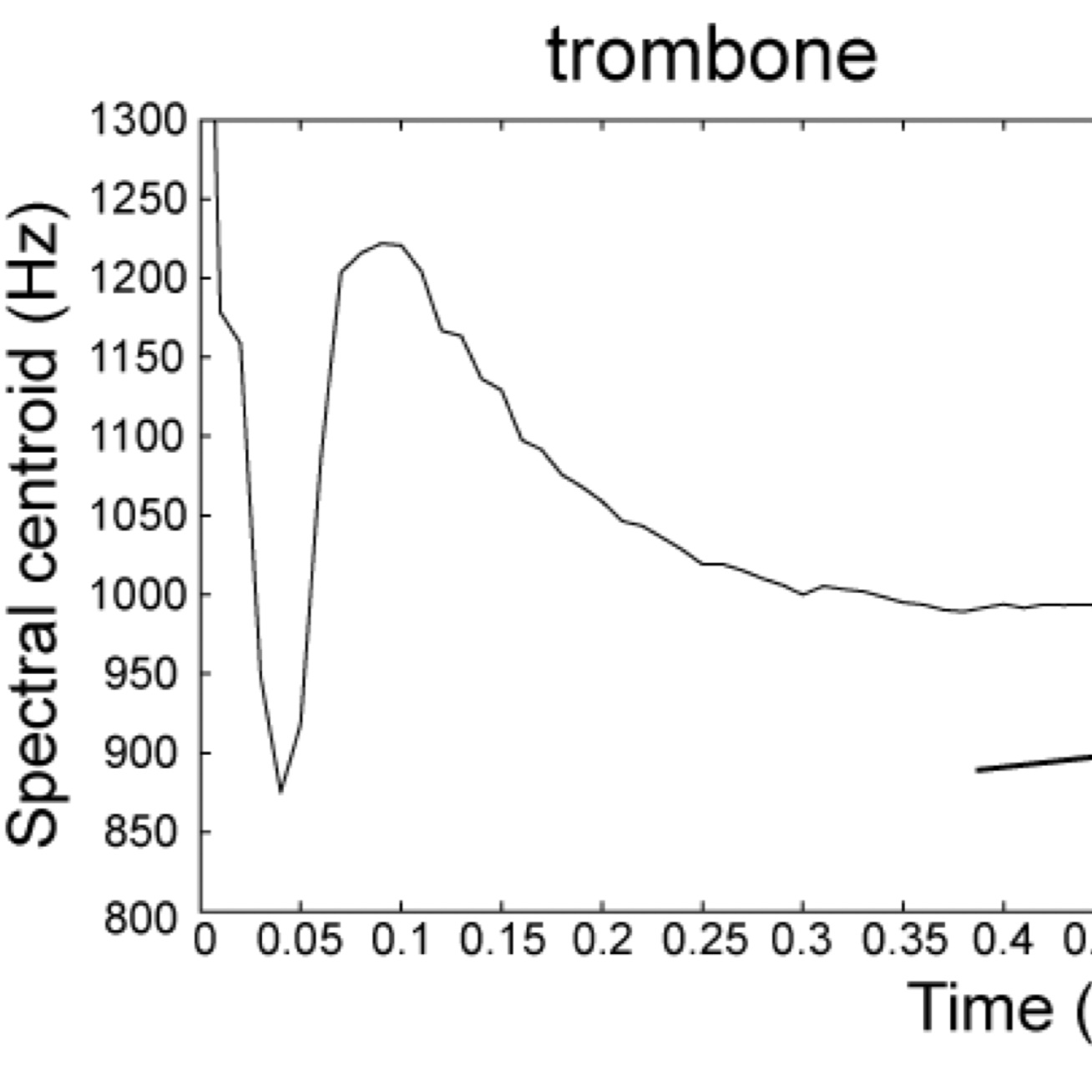
Spectral centroid is an acoustical descriptor of timbre. Its value is obtained through a statistical measurement on the frequency representation of the signal (the frequency spectrum - see Timbre Term of the Week "Signal vs Spectrum"). As its name says, centroid is a spectral descriptor and corresponds to a specific type of estimation of the spectral shape (or curve)…
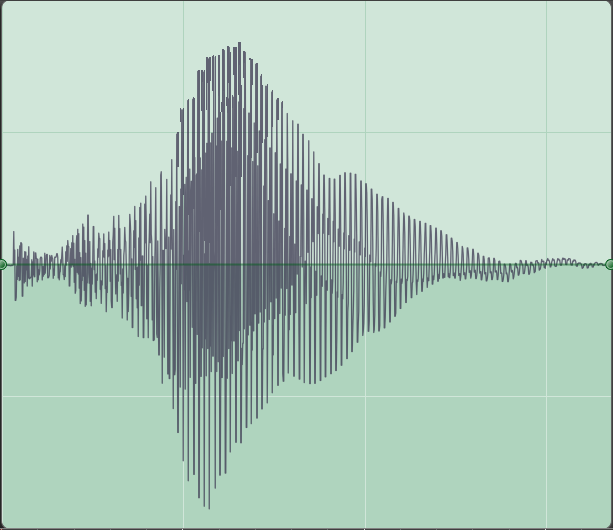
In everyday life, sounds are captured by our auditory system and analyzed in our brains. But in order to better understand the physical phenomena that comes with sound production, we use analytical methods, both analog and computational, that are based on different representations of the sound vibration.
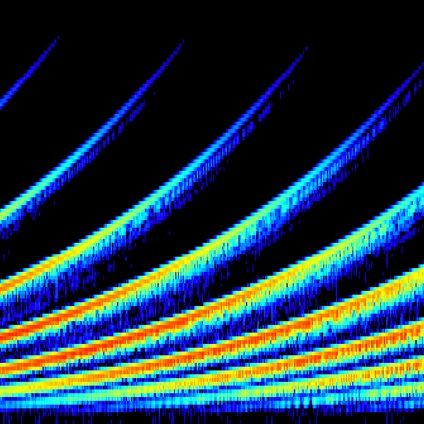
In this post Auditory Scene Analysis, we introduced some of the ways that sound components are grouped together by the auditory system. This has many musical applications, and also lays the foundation for some interesting auditory illusions. One of the most famous is the Shepard Tone, named for cognitive scientist Roger Shepard, which creates an illusion of perpetual ascent or descent. A quick search on YouTube will turn up many examples; here is a handful:
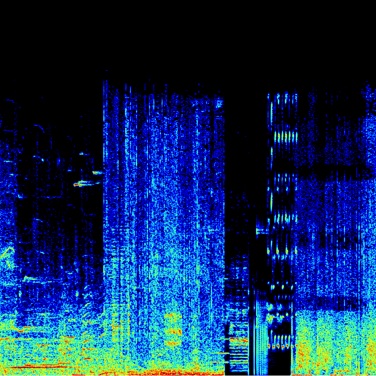
This is a spectrograph, a way of visualizing sound in which the y axis represents frequency, the x axis represents time, and darkness or colour represents concentration of energy. Looking from bottom to top shows how the sound energy is distributed on the continuum from low to high, and looking from left to right shows how that distribution changes over time...

In synthesis and sound recording and mixing, envelope describes how a sound’s amplitude (volume) changes over time. When recreating the timbre of an instrument (or other sounds such as a firetruck siren), it is equally important to get the overtone series right as it is to reconstruct or preserve the contour of the sound….
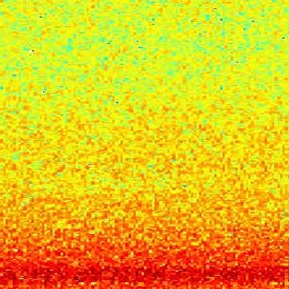
The word noise is a familiar everyday word that has many different meanings. Here, we are interested in its acoustical sense…
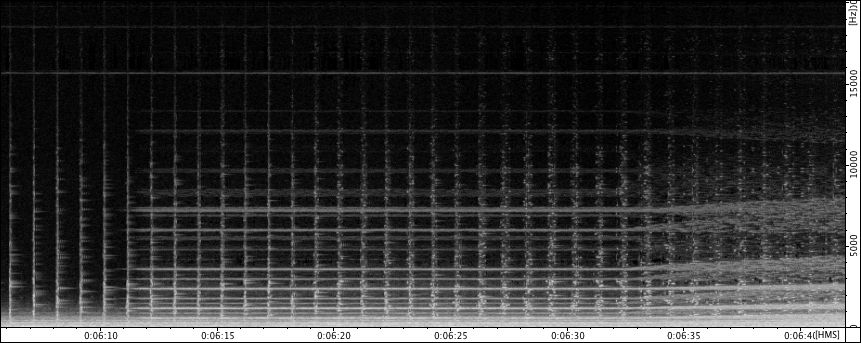
Although we may perceive sounds such as musical notes as singular, self-contained units, the physical reality often suggests something very different. Most sounds we hear are actually complex mixtures of many different sound components, some of which are noisy and transient, others of which may have stable frequencies…
Timbre Lingo was conceived by Jason Noble, and primary contributors have included Jason Noble, Julie Delisle, J. Marchand Knight, Theodora Nestorova, and Amélie Bernier-Robert. Under the guidance of Caroline Traube, Amélie Bernier-Robert has performed extensive reviewing and formatting for many of the essays in this series, with additional reviewing done by Lena Heng, Malte Kob, Robert Hasegawa, Stephen McAdams, Lindsey Reymore, and Andrés Gutiérrez Martínez. Timbre Lingo is edited by Ben Duinker and published by the Timbre and Orchestration Writings team.
Blend is achieved when two or more timbres appear to “fuse” together. A particular blend of multiple timbres occupies a continuum between total fusion (completely blended) and total heterogeneity (not blended at all).