
Resources | Links
Links
These posts link to websites with content created by ACTOR members and collaborators, as well linking to recommended external content. The material is organized into three main categories Analysis, Creation, and Teaching of timbre and orchestration.

This dissertation examines the role of timbre in musical interpretation, focusing on its contribution to expression and perception. Using an analysis-synthesis approach, it offers new insights into how performers shape sound beyond timing and dynamics.

Visit Site >
Orchestration Analysis Series — Introduction
Debussy's Oceanic Orchestra: La mer


Visit Site >
Chon, S. H., Huron, D., & DeVlieger, D. (2018). An exploratory study of Western orchestration: Patterns through history. Empirical Musicology Review, 12(3-4), 116-159.

Visit Site >
Sallis, F., Bertolani, V., Burleis, J., & Zattra, L. (2020). Live Electronic Music. Routledge.

Visit Site >
Wollman, I., Arias, P., Aucouturier, J. J., & Morillon, B. (2020). Neural entrainment to music is sensitive to melodic spectral complexity. Journal of Neurophysiology, 123(3), 1063-1071.

Visit Site >
Saitis, C., Weinzierl, S., von Kriegstein, K., Ystad, S., & Cuskley, C. (2020). Timbre semantics through the lens of crossmodal correspondences: A new way of asking old questions. Acoustical Science and Technology, 41(1), 365-368.

Visit Site >
Esling, P., Masuda, N., Bardet, A., Despres, R., & Chemla-Romeu-Santos, A. (2020). Flow synthesizer: Universal audio synthesizer control with normalizing flows. Applied Sciences, 10(1), 302.


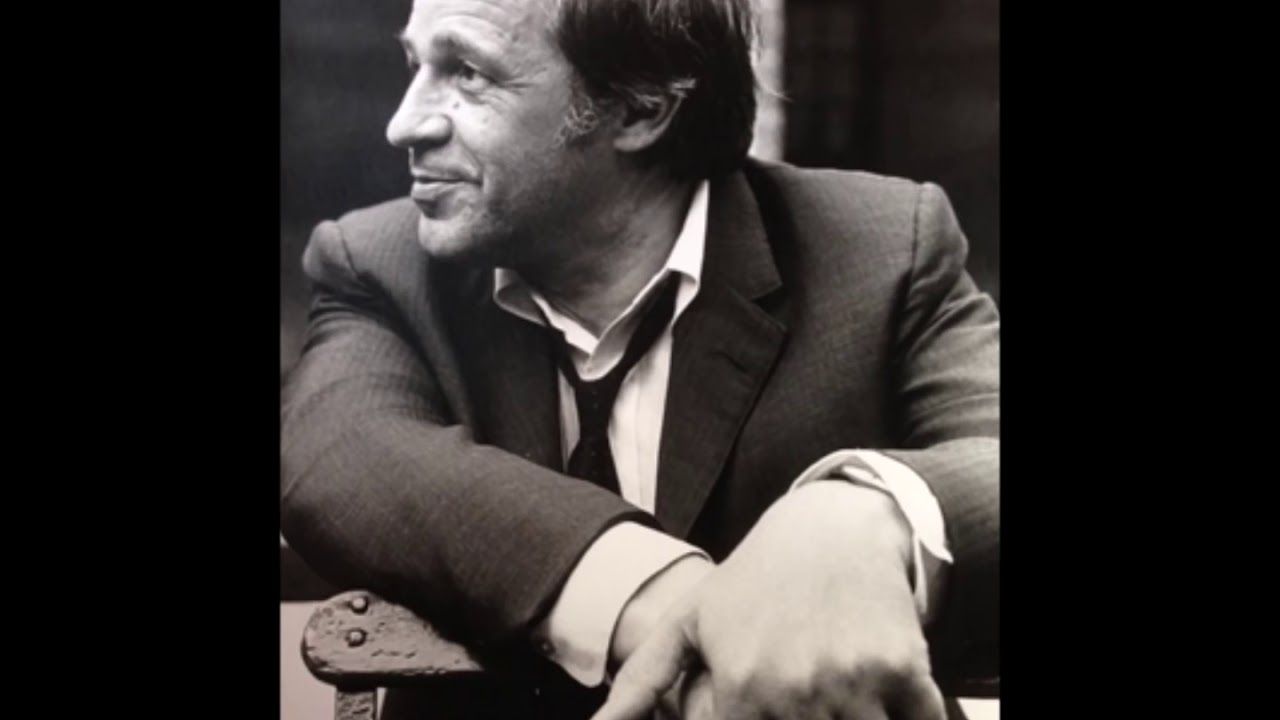
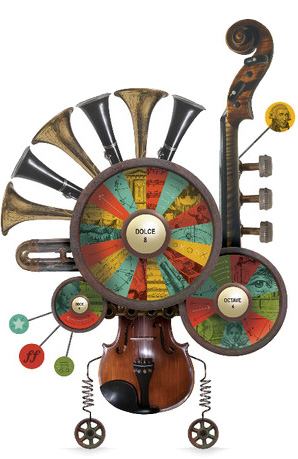


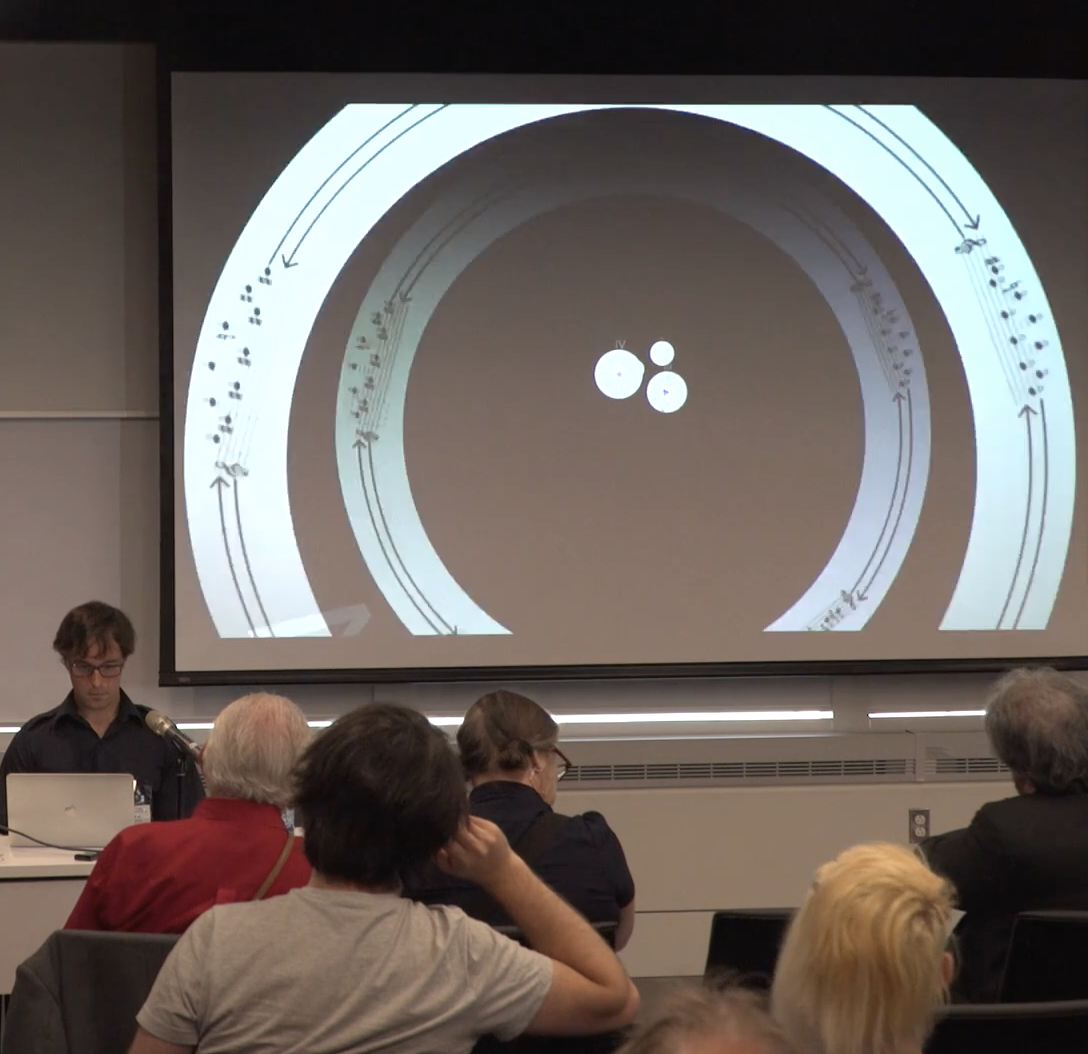


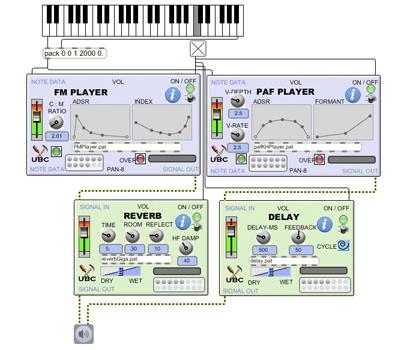


Presentations by ACTOR members at various conferences and scholastic events




Go to page >
A compendium of information and resources for each instrument of the orchestra.
Visit Site >
Hansen, N. C., & Huron, D. (2018). The lone instrument: musical solos and sadness-related features. Music Perception: An Interdisciplinary Journal, 35(5), 540-560.